It was a brief flareup in a budget committee hearing thick with tension.
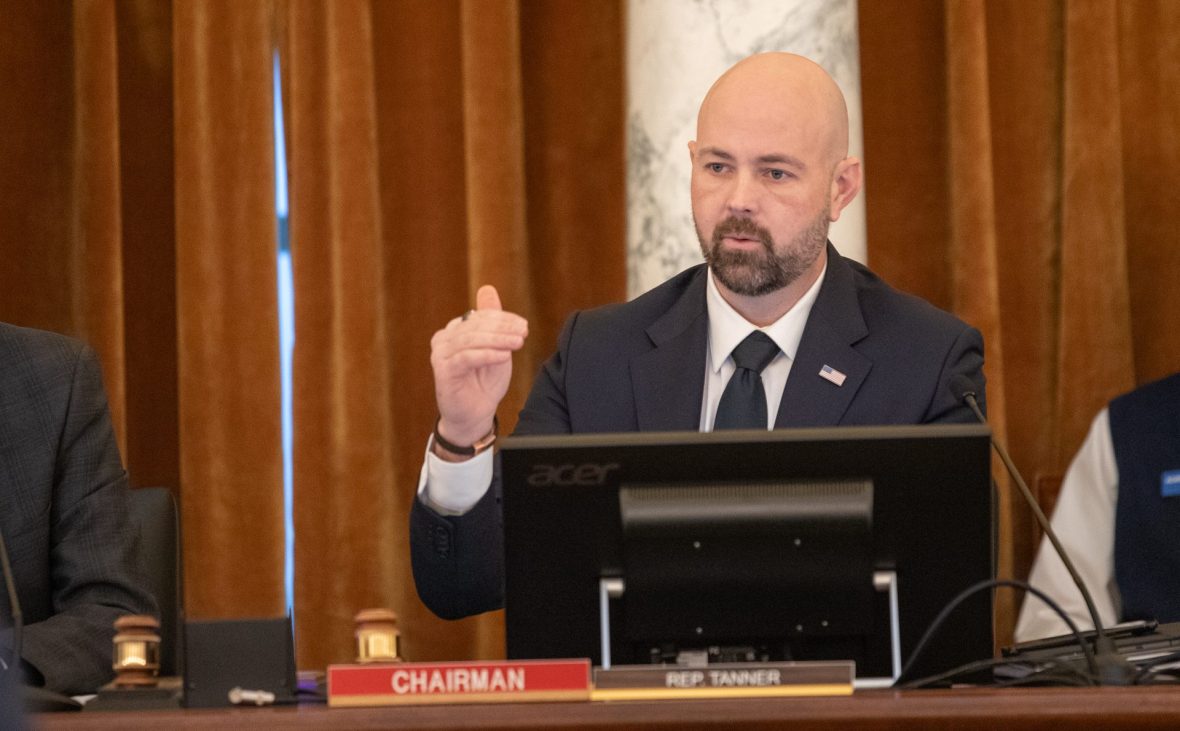
Eagle Republican Rep. Josh Tanner took a swipe at the Boise School District, and its unilateral 2025 decision to increase property taxes by $30.4 million. “I talked to multiple families that are leaving the city of Boise, trying ... to move out west, towards (the) West Ada (School District),” said Tanner, who had been recently named co-chair of the powerful Joint Finance-Appropriations Committee.
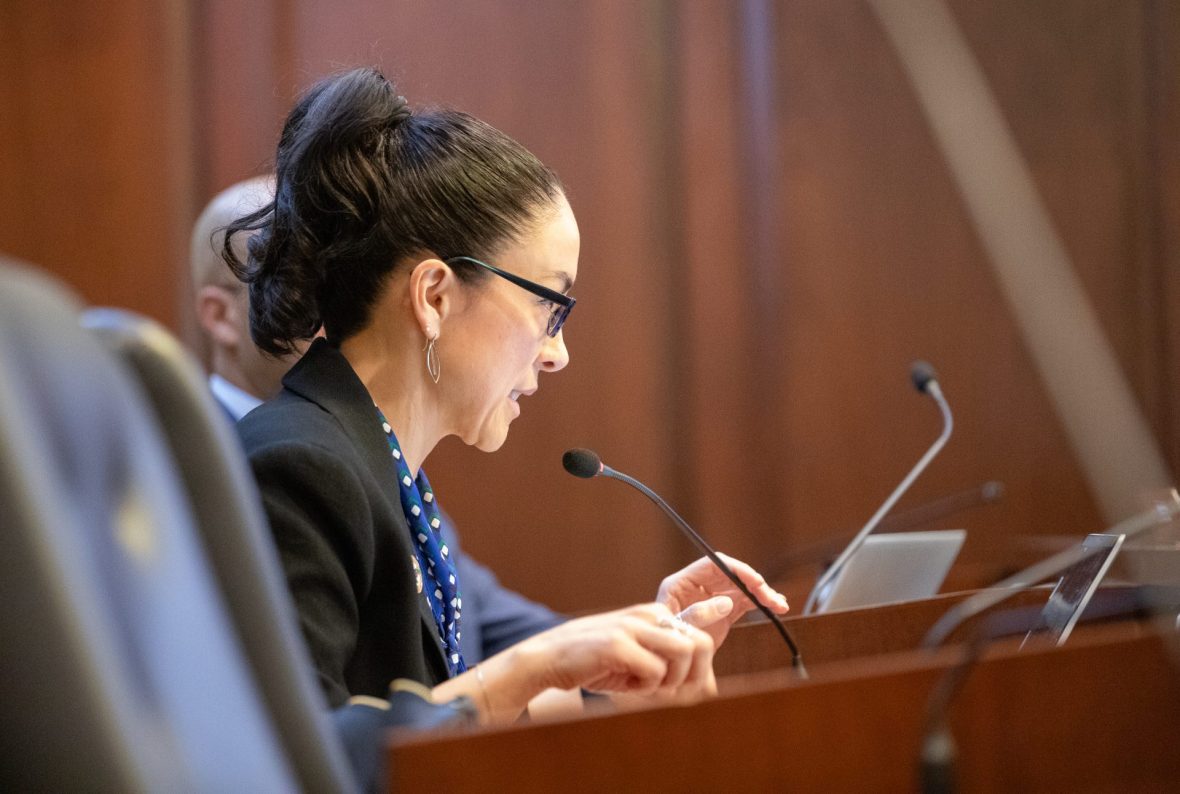
Senate Minority Leader Melissa Wintrow, D-Boise, was quick to defend her local district. She argued, fairly, that legislators had placed an arbitrary cap on Boise’s share of school facilities money. “Boise city schools have been put into a corner, and it is not fair to our constituents and our taxpayers at all.”
The Jan. 21 exchange was far from unusual. Tanner and Wintrow, political polar opposites, openly and publicly sniped at each other during numerous JFAC hearings. But the exchange illustrates a larger issue.
On top of its other challenges — a decade of declining enrollment, aging community demographics, a fast-changing and competitive education ecosystem — the Boise district has a unique problem. A Statehouse problem. A district that operates in the shadow of the Capitol inevitably draws outsized attention from the lawmakers who work there.
This isn’t new. But two episodes from retiring Superintendent Lisa Roberts’ two-year tenure illustrate the political gulf between district leaders and many legislators. And at the end of the 2026 session, a rash of sexual abuse allegations place the Boise district under a harsh spotlight.
‘You have chosen expediency over equity in your reporting’
Idaho EdNews had planned to interview outgoing Superintendent Lisa Roberts about a variety of topics, including the Boise School District’s relationship with the Legislature.
Roberts had agreed to an interview, scheduled for Wednesday. But on Tuesday — hours after EdNews was first to report the district’s $720,000 settlement over a mouse infestation at West Junior High School — Roberts abruptly canceled the interview. She complained that the district was not given adequate time to comment for a first version of the story, published Monday.
“It is only one of many times over the past couple of years that you have chosen expediency over equity in your reporting,” said Roberts’ email, in part. “At this point, my time is better spent with those who will continue to work toward the betterment of our students and our schools.”
It isn’t the first time Roberts has rebuffed an EdNews interview request. She declined to talk to EdNews in November about Boise’s shrinking enrollment. "Superintendent Roberts is not currently available,” district spokesman Dan Hollar wrote to EdNews’ Ryan Suppe in an email.
While Roberts canceled this week’s interview, she responded, at length, to EdNews’ written questions for this article. The questions and responses are available here, in full and unedited.
It starts with the money
The Tanner-Wintrow exchange highlights a policy issue older than a 136-year-old state.

Formed before statehood, the Boise district operates under a unique governing charter. For example, the charter allows the district to hold one-off school board elections in early September. Much to the chagrin of some lawmakers, the charter also provides the district the unique ability to impose and collect property taxes.
In 2025, the district exercised that authority, to the tune of a $30.4 million increase. The unilateral move was a not-so-veiled commentary on state education funding. District officials used some of the money to cover state-mandated teacher pay raises and bolster special education budgets. Some of the local money made up for a decreased share of state funding — a result of Boise’s enrollment decline. The largest line item went to pre-K and community school programs.
Legislators haven’t exactly been shy about clipping Boise’s budget. The comprehensive 2024 school facilities law provided Boise with a $40 million share. The West Ada School District received $140 million. Even after taking West Ada’s considerably higher enrollment into account, legislators consciously gave Boise a disproportionately small share of facilities money.
However, legislators have no say over the Boise district’s taxing decisions. As long as the district’s charter remains intact, so too does its taxing authority. In other words, this is an irreconcilable difference.
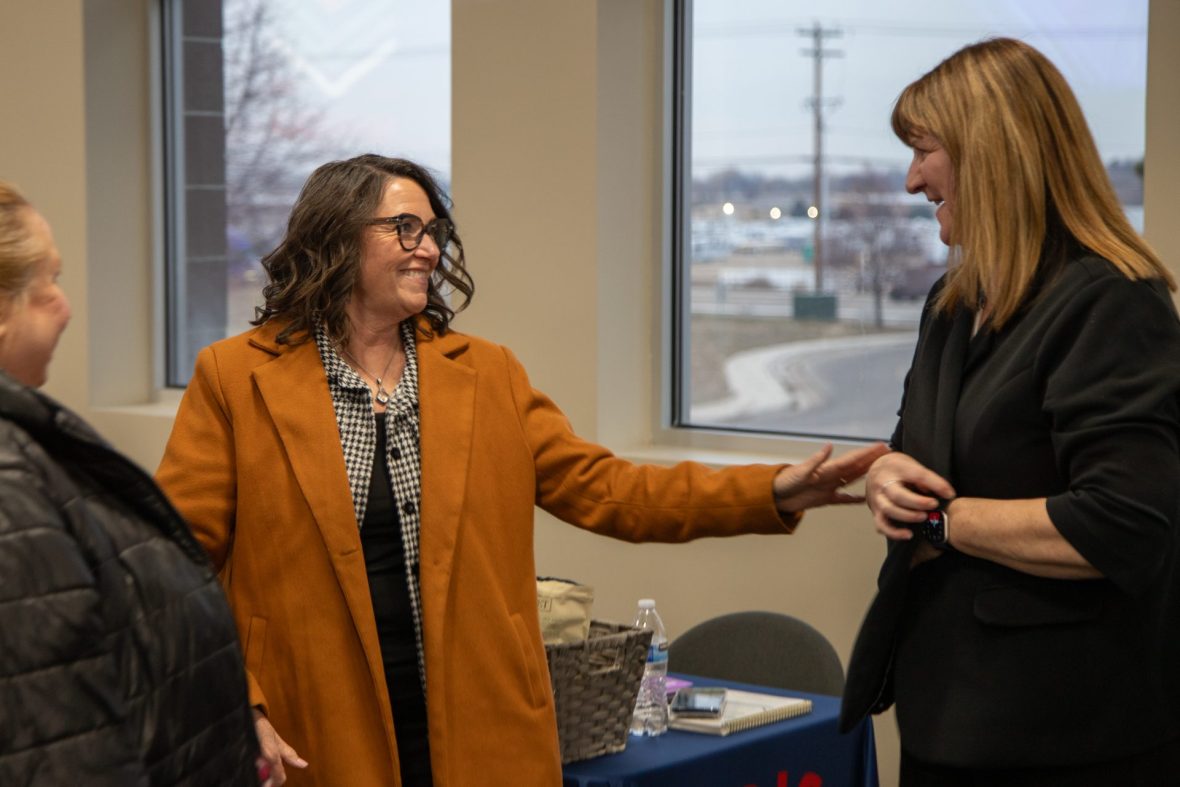
“The charter has helped enable the Boise School District to provide a comprehensive, high-quality public education to generations of students while responding to the evolving needs of our community,” said Roberts, in written responses to questions from EdNews.
Roberts said she is “not aware of data” that shows patrons are leaving Boise over school property taxes, as Tanner asserted earlier this year. And if this week’s anecdotal evidence is to be believed, the property taxes aren’t a big deal to Boise patrons. When the district held a public hearing on next year’s budget — which essentially freezes property taxes, leaving last year’s increase intact — no one showed up to testify.
Inclusion — or empire-building?
As the “Everyone Is Welcome Here” poster controversy went viral — leaving West Ada officials stuck in its vortex — Roberts and Boise officials made the conscious decision to weigh in.
In a March 2025 social media post, Boise district officials posed for a picture, wearing matching t-shirts bearing the “Everyone Is Welcome Here” slogan. Boise administrators weren’t just highlighting their differences with their counterparts in West Ada — which had ordered teacher Sarah Inama to remove “Everyone Is Welcome Here” posters from her classroom. Boise district leaders were also pushing back against legislators who sought a ban on political and ideological flags and banners in the classroom. The bill later became law.
The district pledged to support teachers who wanted to post inclusive messages in the classroom — challenging elected leaders, including Attorney General Raúl Labrador, who called the multiracial “Everyone Is Welcome Here” messaging a political statement.
The Boise district's position is, inevitably, a political statement of its own. But it isn’t out of line with local sentiment, said Rep. Soñia Galaviz, a Boise teacher completing her second term in the Legislature. The district’s position on inclusion — not unlike its property tax investments — is in line with what school patrons want, Galaviz said.
Boise has received no complaints over its poster policy, Roberts said. And she downplayed any friction over the issue. “We do not view our commitment to ensuring all students feel safe, supported, and welcome as being incompatible with maintaining productive relationships with policymakers.”
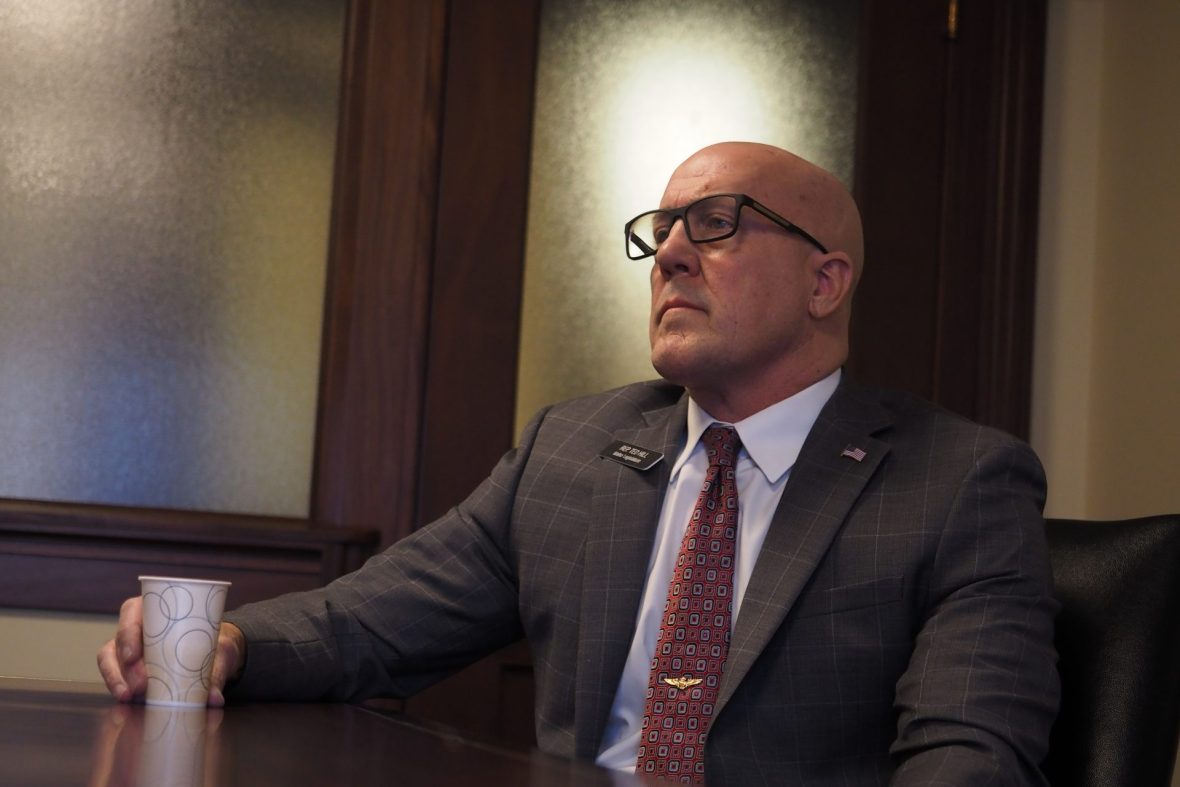
Some relationships, however, are less than positive. The author of the 2025 flag and banner law has publicly criticized Boise for thumbing its nose at the Legislature.
“School boards are the problem,” Rep. Ted Hill, R-Eagle, told EdNews in December. “They get in there and they act like little emperors in their little empire and they do whatever they think they can.”
A focal point in a debate over student safety
When the 2026 Legislature sought to tighten reporting requirements on staff misconduct — and new whistleblower protections for employees — Boise became the inevitable focal point.
Lawmakers heard from a father who said his son had been abused by Gavin Snow, a former special education assistant who had worked at two Boise elementary schools. They also heard from Marianne Baker, a Boise teacher who says she faced retaliation after she made a report against Snow. (Baker has filed a tort claim against the Boise district, one of at least nine involving Snow.)
The sexual abuse complaints against Snow — and the $7 million in civil settlements with Boise parents — certainly motivated legislators to act quickly on the new reporting measure, Senate Bill 1412. Roberts said district officials followed existing law when they hired Snow, and said the district supported SB 1412 from the outset.
“To imply that an (sic) unanimous vote by the Legislature was directed solely at the Boise School District not only discounts a broader effort to strengthen student safety, but also reduces an important public policy discussion to one of retributive politics,” Roberts said in a written response to EdNews.
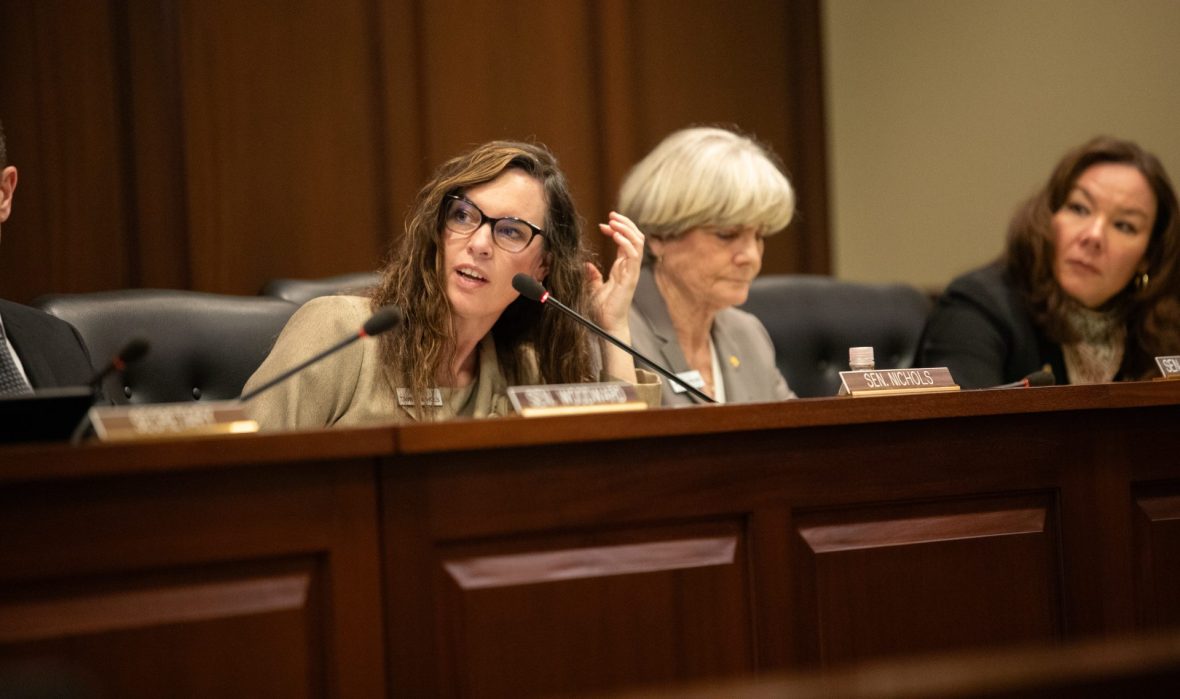
SB 1412’s co-sponsor said the bill wasn’t designed to just address Boise, or Snow’s movement from one Boise school to another. She wants to make sure schools can flag problems before employees move from district to district or state to state.
“What transpired in the Boise district was, of course, closer to home,” said Sen. Tammy Nichols, R-Middleton. “(But) this is an issue that’s happened in several different parts of the state.”
‘The relationship has become more challenging’
Meeting weekly with local legislators during the session, and meeting regularly with lawmakers during the off-season, the district has maintained what Roberts called a “professional and productive” relationship.
However, she added, “The relationship has become more challenging in some respects.” Lawmakers have tried to insert themselves into curriculum, library policy and personnel matters — areas that traditionally fall within the bailiwick of school boards.
“That shift naturally creates tension because locally elected trustees are accountable directly to the families and taxpayers they serve,” Roberts said.
Proximity is another part of the equation. As the capital city’s school district, Boise has no place to hide.
Ideology also factors into the equation. Since Boise is a blue dot in a red sea, its local leaders will inevitably draw increased scrutiny from lawmakers. That applies to City Hall and to school district headquarters.
Seeking to move from the House to the Senate in November’s election, Galaviz is well aware of the political realities. She says Roberts did a good job of navigating the challenges of the Boise superintendent’s job. But as a 23-year teacher who spends three months a year as a full-time lawmaker, she hears plenty about education politics, from across the spectrum.
“It’s an interesting camp to be in because I live in both worlds.”
Kevin Richert writes a weekly analysis on education policy and education politics.