School districts across Idaho are heading into the new fiscal year on different paths: West Ada and Boise are adjusting to enrollment declines, Middleton is making deep cuts and implementing fees after a failed levy, and Coeur d’Alene is planning for stability.
Trustees are planning their districts’ expenses for the 2026-27 school year — from teacher salaries to curriculum and utility costs. And this year, many districts are facing tighter budgets as rising costs and enrollment declines squeeze finances.
Click here for a statewide schedule of budget hearings — and revisit this story next week for more updates.
Idaho EdNews is covering key budget hearings amid rising operations costs and flat state funding for K-12 ahead of the new fiscal year, which starts July 1. Meanwhile, declining enrollment is reducing support units that drive state funding for districts, large and small.
On top of tightening state funds, districts like Middleton and Emmett failed to pass supplemental levies during the May election. Several local leaders have announced that they plan to cut staff — largely through attrition — to fill funding gaps.
Here’s a look at some key budget meetings from this week. We’ll update this story as others continue through next week.
Boise holds property taxes flat
The Boise School District won’t increase property taxes next school year after trustees voted last year to hike the district’s local levies by 18%.
The school board unanimously approved a 2026-27 budget Monday without a property tax increase. As a result, the district’s local tax rate should decrease — assuming state tax relief holds steady and property values increase across the district.
Next school year’s estimated levy rate is $297.50 per $100,000 of taxable assessed value, down from $313 per $100,000, the current rate. This decrease assumes that the district’s market value will climb by 5% in September, Boise chief financial officer Sheila Kessel told trustees.
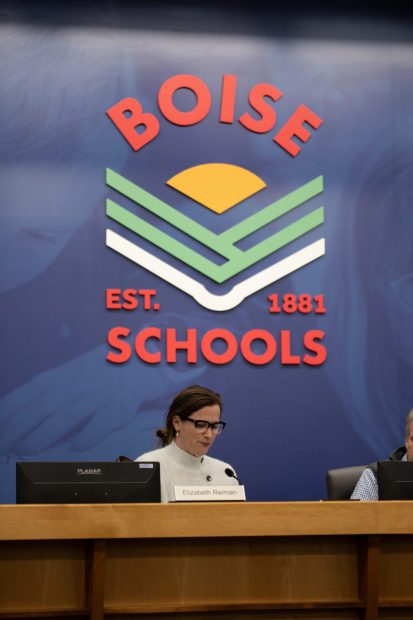
Unlike most other school districts, Boise can increase property taxes without voter approval. It’s one of three districts — along with Lewiston and Emmett — whose charter predates statehood, exempting it from taxing laws that apply to most other districts.
Last year, Boise trustees increased the district’s tax levies by $30.4 million, or 18%, to fund a host of programs, including pre-K and community schools, and to fill gaps in state funding tied to declining enrollment.
Next year, Boise officials expect to collect about $156 million through local levies, a $395,928 decrease. Local revenue will account for 46% of the district’s general fund, while 51% will come from the state.
By comparison, local revenue accounts for 10.5% of district budgets statewide, on average, while 87% of revenue comes from the state.
Meanwhile, Boise is cutting general fund spending by 0.66% next school year amid declining enrollment and flat state funding. As of last month, enrollment across the district was down 566 students year-over-year, or about 2.6%.
In an email to patrons last week, district officials said they’re making “a number of targeted reductions and efficiency measures,” such as staff cuts.
Funding for about 41 positions, including 31 teaching jobs, will be cut next school year. However, the district is adding two dozen jobs — mostly special education teachers and paraprofessionals — for a net decrease of 17 positions.
“While the financial outlook remains challenging, the proposed budget reflects our commitment to directing available resources where they have the greatest impact — supporting students, classrooms, and schools while maintaining long-term fiscal stability,” the email said.
Bonneville draws on fund balance
Bonneville trustees approved a budget that will cut eight teaching positions because of declining enrollment and tapped into the district’s savings for $1 million to offset rising costs and budget reductions.
In May, Bonneville district voters approved an increased supplemental levy for $19.2 million over two years. Trustees opted to increase the levy ask after tapping into the district’s fund balance amid a $6 million budget shortfall.
Enrollment drops mean the district must still make some cuts, even as the levy offsets bigger budget woes.
“Even without all of the adjustments, the return from enrollment to attendance, we would still be making reductions because we are losing funding due to declining enrollment,” said Guy Wangsgard, Bonneville’s executive director of finance and operations.
The district will make reductions in classified positions, but hasn’t finalized a plan while administrators wait to see how many cuts they can make through attrition.
Caldwell projects balanced budget amid challenges
Caldwell School District is projecting a $65.5 million balanced budget for the 2026-27 school year despite facing declining enrollment, rising costs and reduced state funding.
The district predicts 4,722 students next year, which equals 217.27 support units. That is a decrease of approximately eight support units from the current year. Zach Wagoner, chief financial officer of Caldwell, said the decline contributes to a projected $33 million in state base support. The decreasing trend continues, as it’s gone down $3 million since 2023-24.
Caldwell’s general fund budget totals $44.6 million, down from about $1.8 million. Twenty-eight vacant positions will not be refilled, which equates to approximately $1.4 million in salary savings.
There will be no increase in base compensation, but certified staff will receive pay increases based on the state career ladder.
“That will equate to a pay increase of approximately 1% to 3% for our administrative and classified staff,” Wagoner said.
Health insurance remains a challenge, with a 10% increase absorbed by the district after raising the deductible from $1,500 to $3,000. However, premiums remained unchanged for employees.
Caldwell’s fund balance is 20% of its annual expenditures, which is a very reasonable number, Wagoner said. With a $44 million general fund budget, that equals roughly $8.8 million in reserves.
The district does not plan to use its fund balance for 2026-27, which allows extra money in case of emergencies.
“I’m pleased that the general fund is able to balance revenues and expenditures,” Wagoner said. “That gives us financial freedom to be able to preserve and protect that.”
Jerome projects smaller budget loss
Jerome School District is facing declining enrollment and reduced state funding ahead of the 2026-27 school year.
It projects a loss of 50 students, which reduces support units from 183.94 to 181.20. Salaries are projected to decrease by about $550,000 to match enrollment.
Despite the decline, the district expects General Fund revenues to increase by about $500,000 to approximately $33 million due to higher investment income. That leads to heightened transportation funding, which contributes to the revenue increase.
The additional revenues help offset financial pressures due to lower enrollment. Jerome plans on adjusting staffing levels with state-funded positions and will be reviewed in October or November.
It also includes a transfer to Medicaid to account for special education services.
The district projects an overall budget loss of about $700,000 for 2026-27, an improvement from the $1.496 million loss reported last year.
Coeur d’Alene expects a largely flat budget
Things will remain mostly the same in Coeur d’Alene next year, with a largely flat budget presented at the district’s hearing last Monday. Enrollment projections are flat, too, with local leaders predicting the same number of students as they did last year: 9,675.
Still, Director of Finance Tyler Morton expects a $2.1 million revenue increase for the 2027 fiscal year. About half of that increase will come from the state to cover rising health insurance costs.
An increase in state funds for teacher pay due to the district retaining more experienced educators will also bolster funds. The state covers 74.5% of Coeur d’Alene’s budget, with a supplemental levy paying the remaining 25.5%.
Trustees last month approved running a $30.25 million a year supplemental levy in November — a $5.25 million increase from the current $25 million.
The increased funds would cover a 3% staff salary increase, hiring additional school safety and behavioral staff, and inflation costs on other goods, like gas and healthcare.
One patron gave public comment following the hearing, encouraging the district to ask the state for more funds to cover support staff and administrative positions.
The district has about 160 positions beyond what the state funds, said Superintendent Shon Hocker, who called Idaho’s attendance-based school funding formula “antiquated.” Hocker is among school leaders on a committee this summer studying a funding formula rewrite. A public forum on rewriting the formula is set for June 18 in Coeur d’Alene.
Idaho Falls projects rising health insurance costs
The Idaho Falls School District is projecting declining enrollment and rising health insurance costs heading into the new school year.
At a budget hearing Wednesday, Director of Finance Lanell Farmer said average daily student attendance has dropped sharply since the 2022-23 school year — an issue impacting other districts and something to watch, Farmer said.
The district budgeted $55 million for salaries in 2025-26, but plans to spend $54 million next year, largely because of staffing attrition.
Despite a smaller workforce, the district expects employee benefit costs to continue rising. Idaho Falls projects roughly $800,000 in additional health insurance expenses and nearly $2 million in higher overall benefit costs next year.
Federal revenue is expected to increase from $9.8 million to $12.5 million, largely because of anticipated Medicaid funding.
The district also plans to spend $3 million on supplies and materials next year, down from $5.4 million this year.
Over the last year, expenditures exceeded revenues by $3 million, driven largely by $4.8 million in one-time curriculum adoption costs.
District leaders also discussed the loss of more than 400 students to online schools and said they hope to expand e-learning options to slow enrollment declines.
Kuna predicts charter impact
Trustees approved budget cuts, including eight instructional and eight classified positions.
The cuts were mostly through attrition, Chief Financial Officer Jonathan Gillen said.
Gillen combed through district supplies and materials to find additional cuts. He also recommended capping district spending, for now.
“Next year is not the year we’re buying things,” Gillen said.
Still, the district faces higher costs, including a $762,000 increase in health insurance premiums and a $1.4 million rise in special education expenses.
Amid the tightening budget, Kuna leaders predict a 146-student enrollment drop once Valor Classical Academy, a charter school of the American Classical Schools of Idaho network, opens later this year.
Overall, Kuna’s general fund is increasing from $58 million to $60 million. The district is also dipping into its savings for about $3 million.
Lakeland predicts slight enrollment decrease
Lakeland School District predicts a drop in enrollment of about 88 students next year, chief financial officer Jessica Grantham said at a recent budget hearing.
Total projected enrollment is 4,570 students.
With a 10.3% increase in discretionary funds to cover health insurance premium increases, the district expects to receive about $320,000 more in state funds next fiscal year, despite the decrease in enrollment. The district plans to increase the amount it covers in employee benefits by $15 next school year.
Otherwise, the budget is largely flat for next year, Grantham said.
The drop in enrollment will not mean a significant change in staffing, Grantham said. The district plans for a drop in full-time equivalent employees from 513 down to 509.7 next school year.
The drop will largely be from reductions to crossing guard positions, playground supervisors and paraprofessionals, she said.
The flat budget is a rarity for Lakeland, which has undergone budget and position cuts for the last few of years.
While union negotiations are ongoing, teachers have agreed to no pay increases for next year, other than meeting career ladder minimums.
Middleton approves cuts after failed levy
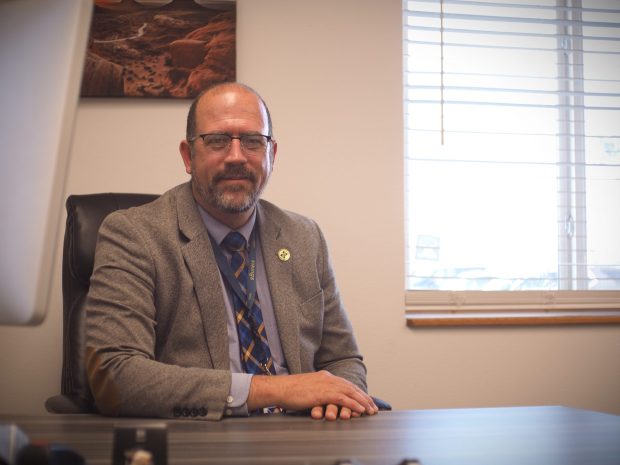
Middleton trustees approved staffing cuts, increased fees and a range of other budget measures in a regular meeting Monday.
The district will reduce staffing by around 36 positions, largely through attrition. The reductions include about 13 teachers or administrators, 16 classified roles, six security guards and one school resource officer.
Trustees approved a range of other cost-cutting changes:
- Students must pay up to $150 for extracurricular activities.
- Breakfast and lunch fees will increase by 25 to 35 cents across the board.
- Middleton will eliminate bus routes not legally required by state law.
- Students must find their own transportation for all extracurricular events in the Treasure Valley.
- Community groups must pay for using school facilities, including the turf field at Middleton High.
- The district will develop its own online digital literacy curriculum.
“Even though school is still going to open, and we’re still going to have classes — kids are coming back, we’re going to be teaching, we’re going to do a great job — it’s going to be much harder to provide a level of service that we’ve provided for our families within Middleton as a result of these cuts,” Superintendent Marc Gee said.
Trustees have discussed budget cuts since February, when they first considered the consequences of failing the May levy, rejected by 52% of voters.
“I just hate that it affects the kids,” said Trustee Cindee Powell.
Trustees approved the district’s proposed 2026-27 budget of $39 million, down from $41.1 million. Reduced revenue from the failed May levy and insurance premium increases of nearly 20% drove the decline. Meanwhile, the district’s savings have shrunk from almost $2 million to $1.8 million.
Nampa projects another year of enrollment decline
Nampa School District is projecting a decline of 176 students, or about eight support units for the coming school year. The district is cutting 14 teacher positions to account for the smaller enrollment.
Finance Director Randy Dewey attributed the declining enrollment to smaller kindergarten cohorts compared with graduating senior classes.
“We’re just losing that attrition little by little,” Dewey said.

But even with a declining enrollment, state revenue is increasing from $116 million to $117 million. Dewey said part of that increase is from the Legislature setting aside money for teachers to move up on the career ladder.
“It’s really given a lot more money for teachers,” he said.
The general fund budget for 2026-27 is $129 million, a $1 million decrease from this year, and all other funds total $78 million, a decrease of about $12.5 million.
Superintendent Gregg Russell told EdNews the lack of discretionary funding increases from the state has impacted the district’s budget. Costs are increasing each year with the district’s contracts with PowerSchool, payroll software and transportation.
“We may have to make more tough decisions and potential cuts if we continue to see discretionary funding frozen,” Russell said.
Pocatello holds steady budget
Pocatello/Chubbuck School District’s budget will remain largely stable after trustees unanimously approved a plan for the coming fiscal year.
Jonathan Balls, the district’s director of business operations, did not mention position cuts or layoffs in the budget hearing.
“We’ve tried to align our staffing with enrollment,” Balls said.
The Pocatello district also receives support from a $16.5 million supplemental levy, which voters approved in 2024.
Trustees approved about $100.6 million in expenditures for the upcoming fiscal year, compared to last year’s $120.6 million. Much of the difference comes from a drop in spending on materials and supplies.
The approved general fund contained a $240,000 increase over the previous year to $120.5 million.
Twin Falls makes a best guess with new charter school opening
District staff know enrollment will decline again next school year, but at this point there’s no way to know how many students will leave for a new charter school opening up this fall.
“Building a budget in May for the following year with no idea how many students are going to walk through the door is not easy,” Superintendent Brady Dickinson said.
Finance Director Zach Schaal said the district ended this past school year with 418 support units and is projecting a decline of 16 units for 2026-27. The district is budgeting for a decrease of $2 million in state funding and is cutting 18.25 full-time equivalent positions.
Elevate Academy is opening a new campus in Twin Falls and can enroll 330 students in grades 6-10 in its first year. The question is how many of those kids will come from other districts, charters and homeschool families. District spokesperson Eva Craner told EdNews they are projecting about 30% of Elevate’s students to come from outside of Twin Falls School District, based on data the charter school shared.
“With Elevate, we’re not quite sure,” Schaal said. “So we hashed it out pretty good and we settled on 402 (support units), so that’s what we built the budget on.”
Among all funds, the district is budgeting for a decrease of $17.3 million, from $175.7 million to $158.4 million.
The biggest chunk of that decrease comes from the modernization fund. The state in 2024 poured $1.5 billion into the fund, which was divided among school districts for capital projects.
“Most of that is the modernization account being spent and not being replenished,” Schaal said.
Dickinson said he thinks the state might infuse more money into the modernization fund. It’s been a positive thing for the state and he hopes it will continue.
“Because, let’s be honest, passing bonds and this climate in Idaho right now is not — it’s not very likely that that’s going to happen,” Dickinson said.
Vallivue bucks the trend, projects enrollment growth
While other districts are cutting back, Vallivue is growing.
Finance Director Dalelyn Allen said the district increased by 15 support units for the 2025-26 school year and is projecting an increase of 14 support units for the upcoming school year. A support unit equals $154,000 in fiscal year 2026 and is based on attendance.
“A lot of the larger districts are actually losing growth and losing students, and so that’s where we’re a little different in our budget,” Allen said Tuesday night.
Still, the overall budget including all funds is still decreasing by $35.2 million — from $272.5 million to $237.3 million. Allen explained that while enrollment and state revenue is increasing, other buckets of money with restrictions on how the funds can be spent are decreasing.
“So even though we are growing in students and we are gaining more revenues, because we went into our general fund balance, it’s going to show lower overall,” Allen said of the budget in a call Wednesday morning.
West Ada projects enrollment decrease
West Ada School District projects a decrease of 233 students for next school year, or about $2.5 million in state funding, according to Chief Financial Officer Dave Roberts.
The state’s largest district projects an enrollment of 37,733 for 2026-27.
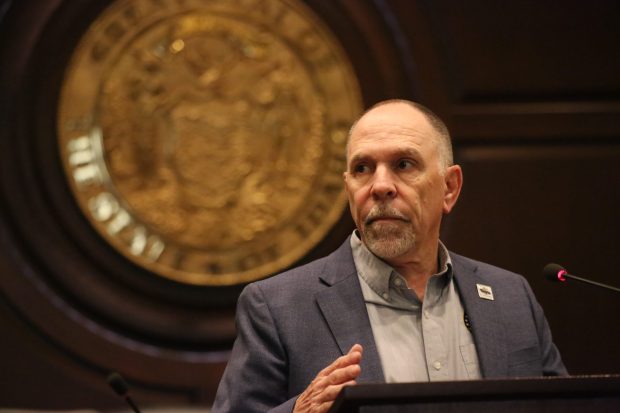
Roberts said kindergarten classes have been substantially smaller since prior to the COVID-19 pandemic. The outgoing senior class was 3,342 students, and Roberts projects an incoming kindergarten class of 2,207 kids, a difference of about 1,100. But he also expects over 900 students to come back to the district from charters, private and home schools.
The district budget is shrinking by $50 million, from $648 million to $598 million. The budget still includes $110 million in unappropriated balances — money the district is carrying forward but has not budgeted to spend. The district also projects spending about $58 million less on buildings, equipment and other long-term investments next year.
State revenue for West Ada is increasing by about $5 million, or 1.7%, due to a 10.8% increase in state healthcare funding.
Salary expenses increased from 2023 to 2025, but that trend is shifting. The district budgeted $207 million for salaries for 2025-26 but is down to $201 million for the coming school year.
“Salaries and benefits I’m projecting to be decreased, again, partly because of our reduction in students and reduction in the units that we have,” Roberts said. “Insurance actually is a net increase, even with that reduction.”
West Ada trustee David Binetti uses stacks of cash to compare tax rates in West Ada and Boise school districts on Tuesday, June 8, 2026, in Meridian.