
Parents of children who have special needs, like Bessie Yeley of Nampa, have been telling state leaders for years that the way they distribute money to public schools isn’t working.
But instead of addressing an estimated $100 million special education funding gap, the Idaho Legislature last year sent $50 million to parents of private schoolers and home-schoolers. The message Yeley received was that public school students with special needs aren’t a priority.
“We keep coming back, and we keep telling the people here in this building that they’re not meeting the obligations to our children,” Yeley said Thursday during a public forum at the Statehouse.
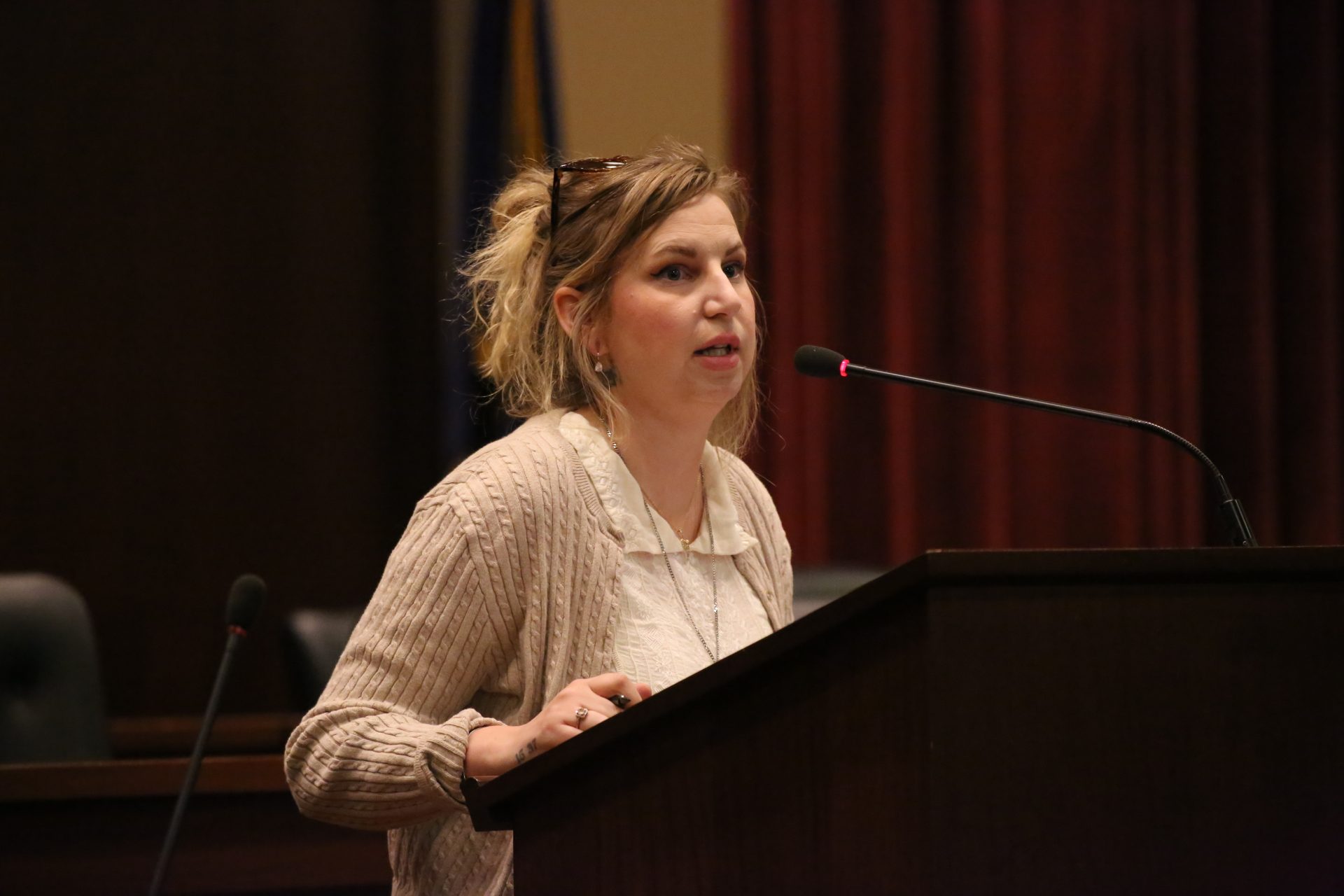
Yeley was among dozens of people who attended state superintendent Debbie Critchfield’s first listening session on the state’s public school funding formula. Critchfield, a Republican who’s running for reelection this year, is hosting a series of forums across the state to collect input on ways the complex and archaic formula can be modernized — for the first time since the 1990s.
Greg Wilson, Critchfield’s chief of staff, said the goal is to hear from various education stakeholders — superintendents, trustees, business managers, teachers, parents, etc. Then Idaho Department of Education officials and lawmakers will write a policy bill with changes to the formula that could be introduced next legislative session.
“No one disagrees that our funding formula is outdated,” Wilson said. “There’s also a consensus that it lacks flexibility for our schools to meet their local student needs.”
Critchfield planned to attend Thursday’s meeting but she was ill, Wilson said.
During this year’s legislative session, the Senate passed a resolution directing the Idaho Department of Education to write a bill updating the funding formula and analyzing the effects on each district. Senate Concurrent Resolution 121 stalled in the House, but the department is moving forward with a formula rewrite anyway.
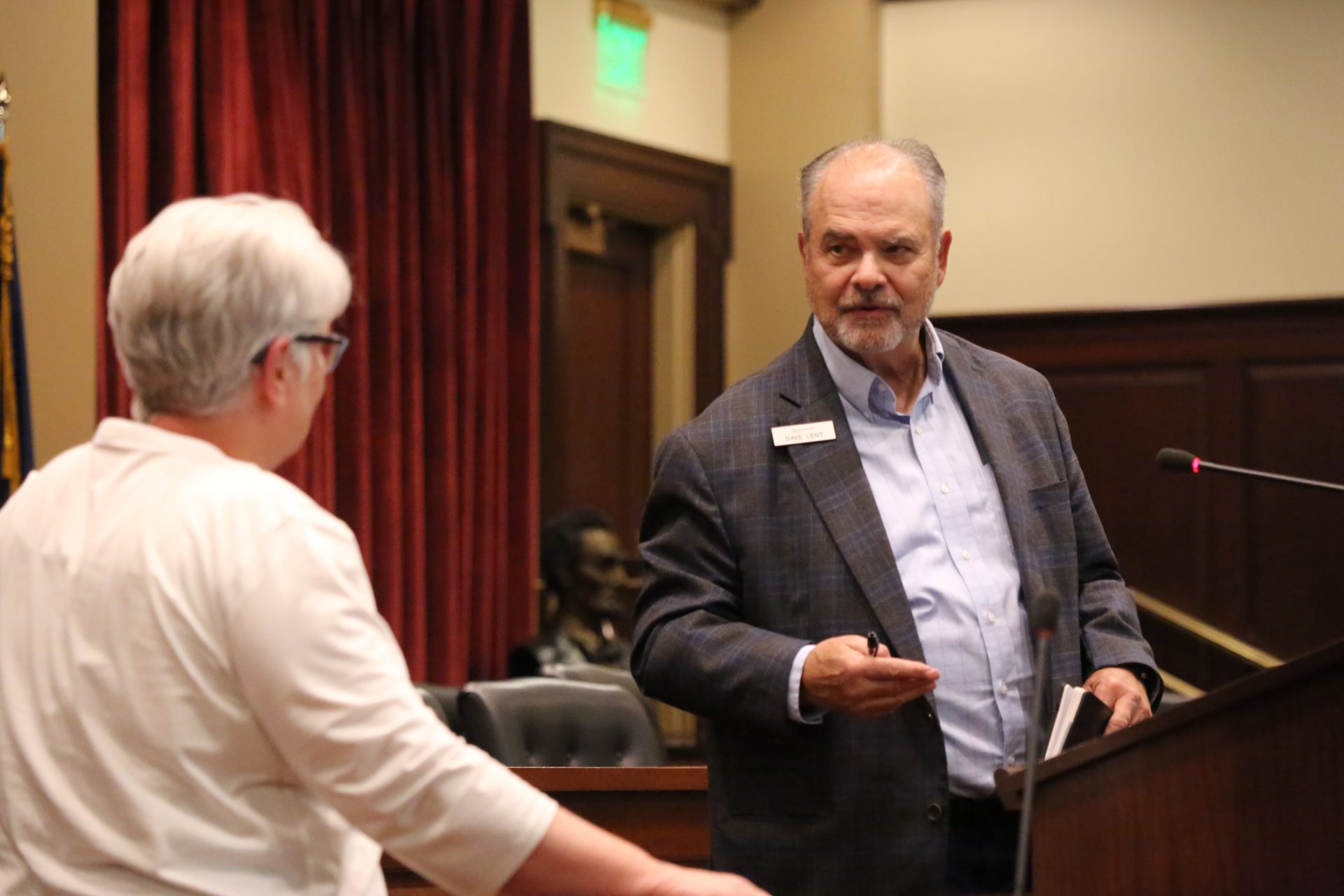
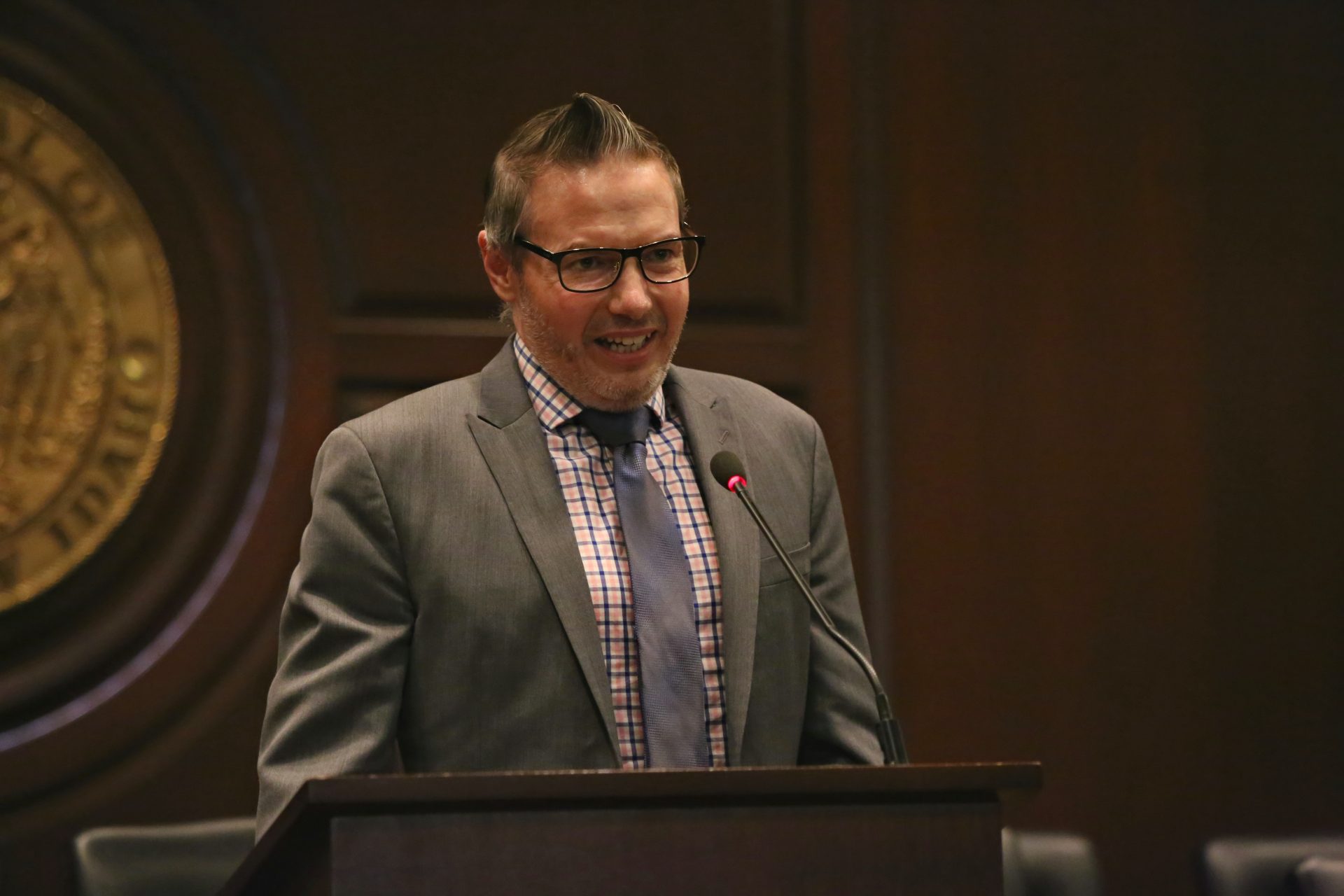
Sen. Dave Lent, an Idaho Falls Republican who sponsored the resolution, led Thursday’s meeting. Lent is a former school board member and current chairman of the Senate Education Committee. Rep. Soñia Galaviz and Sen. Carrie Semmelroth, both Democrats from Boise, observed the listening session along with Senate Majority Leader Lori Den Hartog, R-Meridian.
“The secret sauce is that we’re all going to work together on this, and there’s going to be good give-and-take,” Lent said. “Not everybody’s going to be a winner here, but for the good of our students and the good of the state, we do have to move forward.”
Most of the attendees at Thursday’s meeting were school officials — administrators and trustees — and here’s what they recommended:
Enrollment-based funding
The most common suggestion — but perhaps the one least likely to happen — was switching to an enrollment-based funding formula.
Currently, public schools are funded through an attendance-based formula. They receive state dollars for the average number of students who regularly show up to school, not for the number of students who are enrolled.
Gov. Brad Little and Republican legislators have touted this method as an incentive for getting students into the classroom. But local school leaders say their budgeting decisions — like how many teachers they need — are based on enrollment.
“We already tried it in COVID, and it worked fantastic,” said Randy Dewey, the Nampa School District’s finance director. “It was easy, it was very simple to use.”
During the COVID-19 pandemic, the state temporarily switched to an enrollment-based formula as attendance became unstable. In 2023, the reversion back to attendance altogether cost districts $145 million. While lawmakers made up the difference with a one-time boost, the attendance-based formula has produced fewer and fewer state dollars for public schools in recent years.
In addition to using attendance as the key funding metric, Idaho is one of nine states that uses a resource-based model, according to the Education Commission of the States. This method allocates state dollars based on the resources necessary to operate a classroom.
Thirty-five other states use a student-based model. This method allocates state dollars per student and assigns weights based on student characteristics, like demographics and learning ability. Additional dollars follow low-income students or students with special needs.
Critchfield in recent years has proposed moving Idaho’s formula toward a per-student model with weights, but her policy bills stalled in the Legislature.
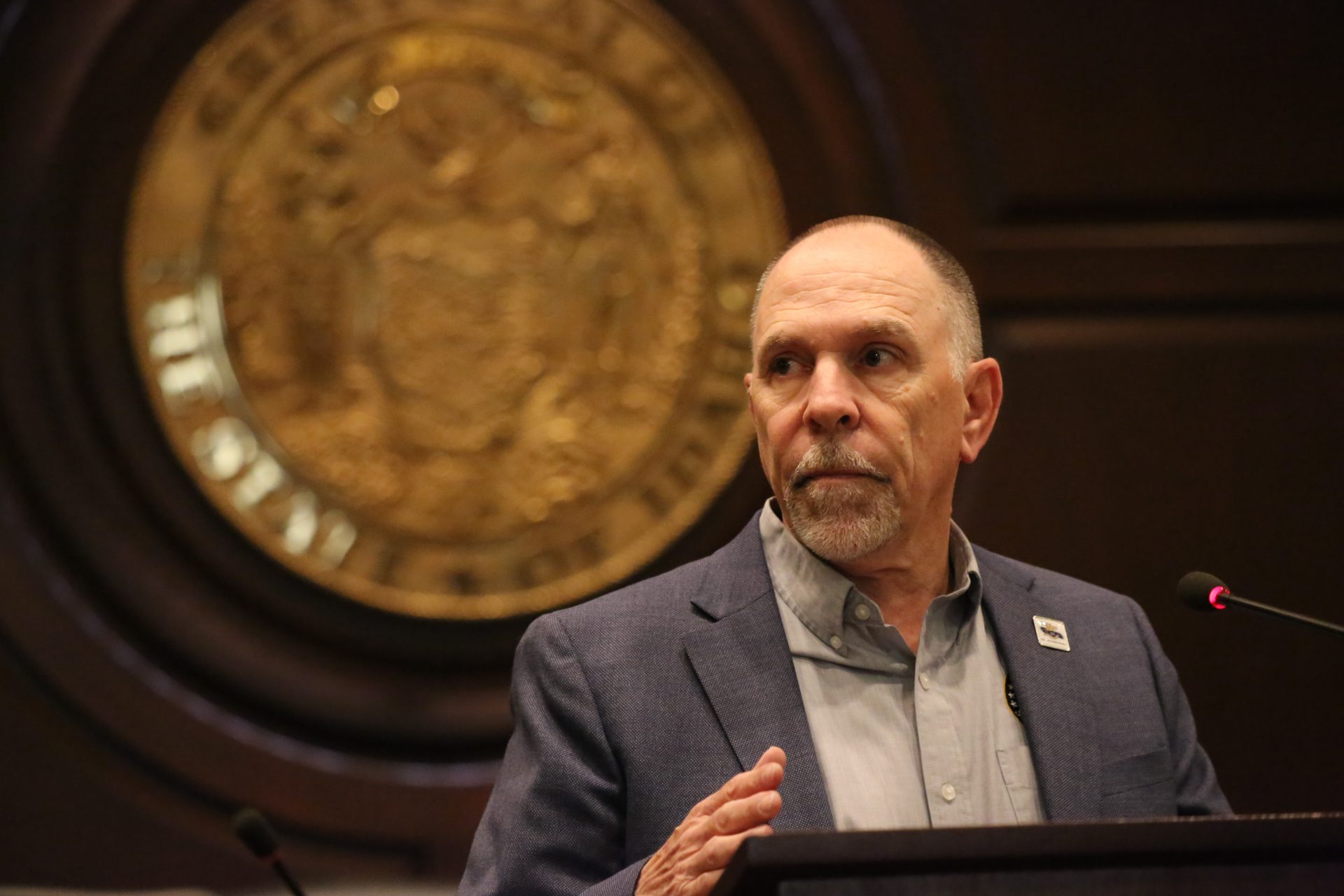
Dave Roberts, chief financial officer for the West Ada School District, said Thursday that an updated formula should account for varying student needs.
“We need to, somehow, have funding based on the students we’re serving and the programs we’re delivering, and they’re not all the same,” he said.
A formula that’s based on enrollment and accounts for student needs could also lead to more …
Predictable funding
Every spring, trustees prepare their district’s budget and negotiate teacher contracts for the following school year.
But they often “have no idea” how much state funding they’ll actually get, said Jason Sevy, a Marsing School District trustee and president of the Idaho School Boards Association. For example, how many days can a chronically absent student miss school before they hurt the district’s state funding?
“Nobody really knows that answer,” Sevy said.

Craig Woods, superintendent of the Emmett School District, agreed. Local school leaders can make a “fairly educated guess” about how much money they’ll get next year, but they won’t know until kids walk through the door.
“Then, all of a sudden, I’ve signed up three extra teachers, and I don’t have the funding for it,” Woods said. “We have to have some more predictability.”
School leaders also said they want to see reforms around …
Testing, particularly if it’s tied to funding
There’s a “massive disconnect” between the different standardized tests that measure performance in Idaho public schools, said Will Goodman, chief technology officer for the Boise School District.
Idaho tends to outperform other states on the nationwide assessment administered by the National Center for Education Statistics. At the same time, students miss proficiency targets on state-administered tests like the Idaho Standards Achievement Test (ISAT) and Idaho Reading Indicator (IRI).
“Those same students who are … outperforming their peers across the country are being told they failed and don’t understand math or reading,” Goodman said. “That’s a massive impact on those students, massive impact for those teachers. How demoralizing it is to be told by your state you’re a failure when we know nationally you’re not.”
Critchfield and Lent last year proposed tying some public school funding to student outcomes, including test scores and college- and career-readiness. The bill passed the Senate but stalled in the House.
Future formula updates could include a similar outcomes-based component. But first, the state must rethink how it measures performance, school leaders said Thursday.
Nampa’s students are among the most impoverished in the state, yet their test scores are held to the same standards as wealthier districts, Dewey said. If scores are tied to funding, the measure of success should be growth toward proficiency, not meeting the statewide proficiency benchmark that districts are held to now, he suggested.
“I think we can hit growth measures. I think we can do that, and I think we always try to do that already,” Dewey said. “But to say, ‘You need to meet this standard,’ I don’t think that’s practical for every district.”
Future forums on funding formula
Here are the dates and locations for other listening sessions on the funding formula:
- Idaho Falls — June 11, 6-8 p.m., College of Eastern Idaho, main boardroom.
- Coeur d’Alene — June 18, 6-8 p.m., Coeur d’Alene School District, Midtown Meeting Center.
- Virtual meeting — June 25, 6-8 p.m.
Community schools
Also Thursday, advocates urged state officials to invest in community schools, which rely on uncertain federal funding and local donors.
Idaho has 65 community schools, and 47 of them rely on a federal grant to pay a community school coordinator. These coordinators tap local resources aimed at improving students’ well-being, like healthcare services, meals and after-school programs.
“Current funding levels limit the ability of districts like our own to expand this work and make it sustainable in the long run,” said Mayra De Anda Hernandez, community school coordinator at Nampa’s Endeavor Elementary.