
Idaho schools are seeing rapid price increases for Google Chromebooks and other tech after Micron Technology shifted its computer parts business away from consumers and toward AI data centers.
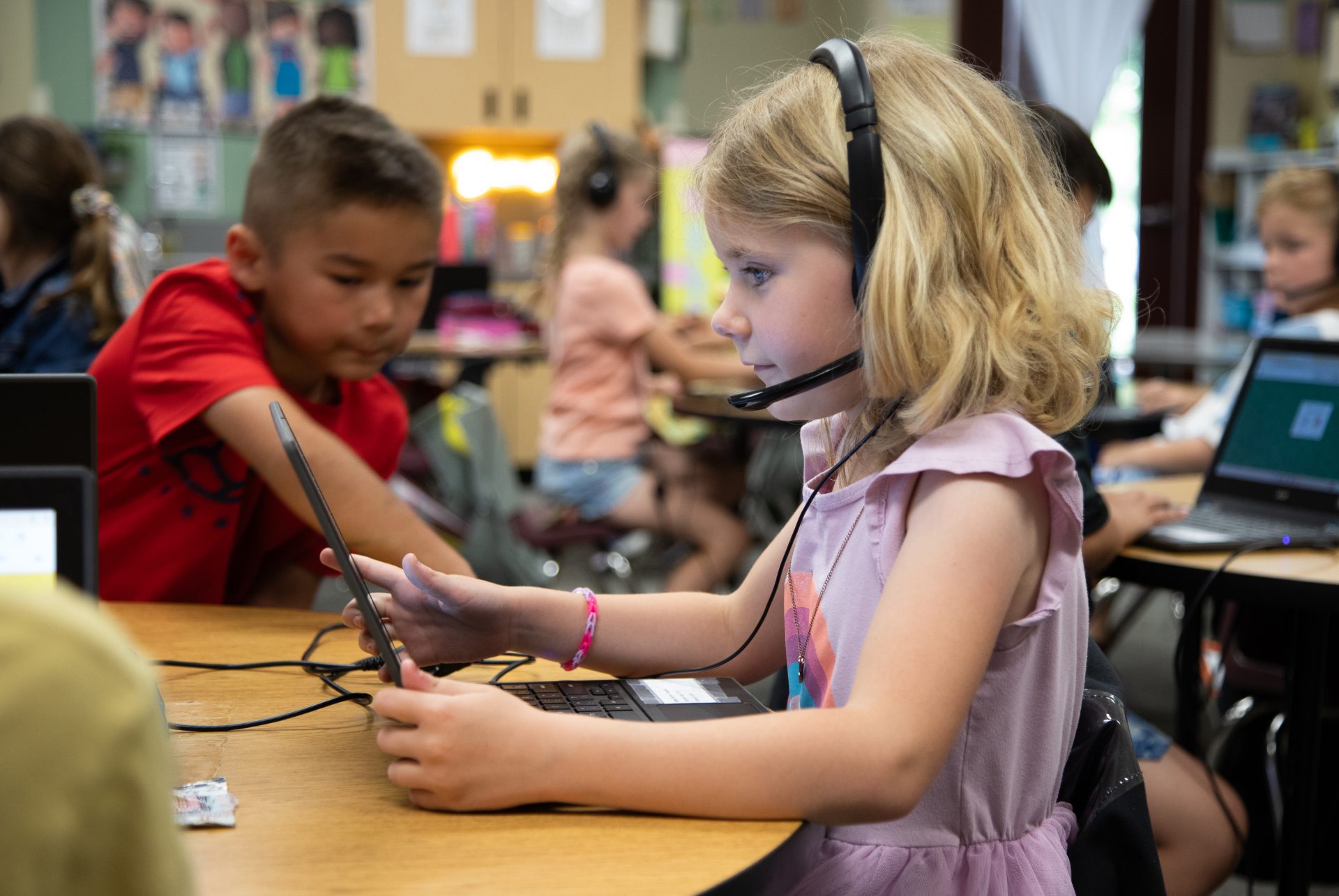
School districts are navigating a volatile market as they decide whether to buy, sell or lease classroom laptops that can quickly lose value. Kuna is buying refurbished Chromebooks for $146 apiece while Bonneville is selling four-year-old Chromebooks for $5.
Boise is going in a different direction: transitioning from Chromebooks to MacBooks, a move officials say will save $1 million over five years by locking in prices before Apple raised them last month.
“What we saw coming is a dramatic increase in prices,” Boise Director of People and Organization Services Will Goodman told trustees last week.
Data centers, he said, are purchasing “everything that’s on the market right now” and prices have shot up for consumers. Unless there is a dramatic global change and AI companies stop building data centers, that trend should continue.
Across-the-board increases
It’s not just computers, according to Kuna IT Director Cam Elwood.
“You’ll see that probably across the board,” Elwood told EdNews. “For example, phones are going up, TVs are going up. Every piece of hardware that uses RAM, mostly, is being affected by data centers and shortage of supply across the board.”
The cost per Chromebook has risen by $90 over the past year, Elwood said. Instead of buying new devices to replace old ones, Kuna trustees this month approved purchasing 500 refurbished Acer Chromebooks for $73,250, or about $146 per laptop. They are expected to last until 2030.
New devices would have a few more years of life, but would be much more expensive. That’s not the only problem. New Chromebooks just aren’t available right now, Elwood said, and might not arrive by the time school starts next month.
“Refurbished Chromebooks are in stock, on hand and ready to ship out as soon as you place the order,” he said.
Expiration dates create more challenges
The Kuna IT department repairs student Chromebooks in-house until they are no longer supported by Google, Elwood said. They make sure new devices the district buys have compatible parts with the old devices, so they can replace keyboards, screens and batteries.
But at a certain point, hardware doesn’t matter. Each Chromebook has an auto expiration date, when Google stops providing automatic updates. When a laptop hits that date, the district can’t use them for testing.
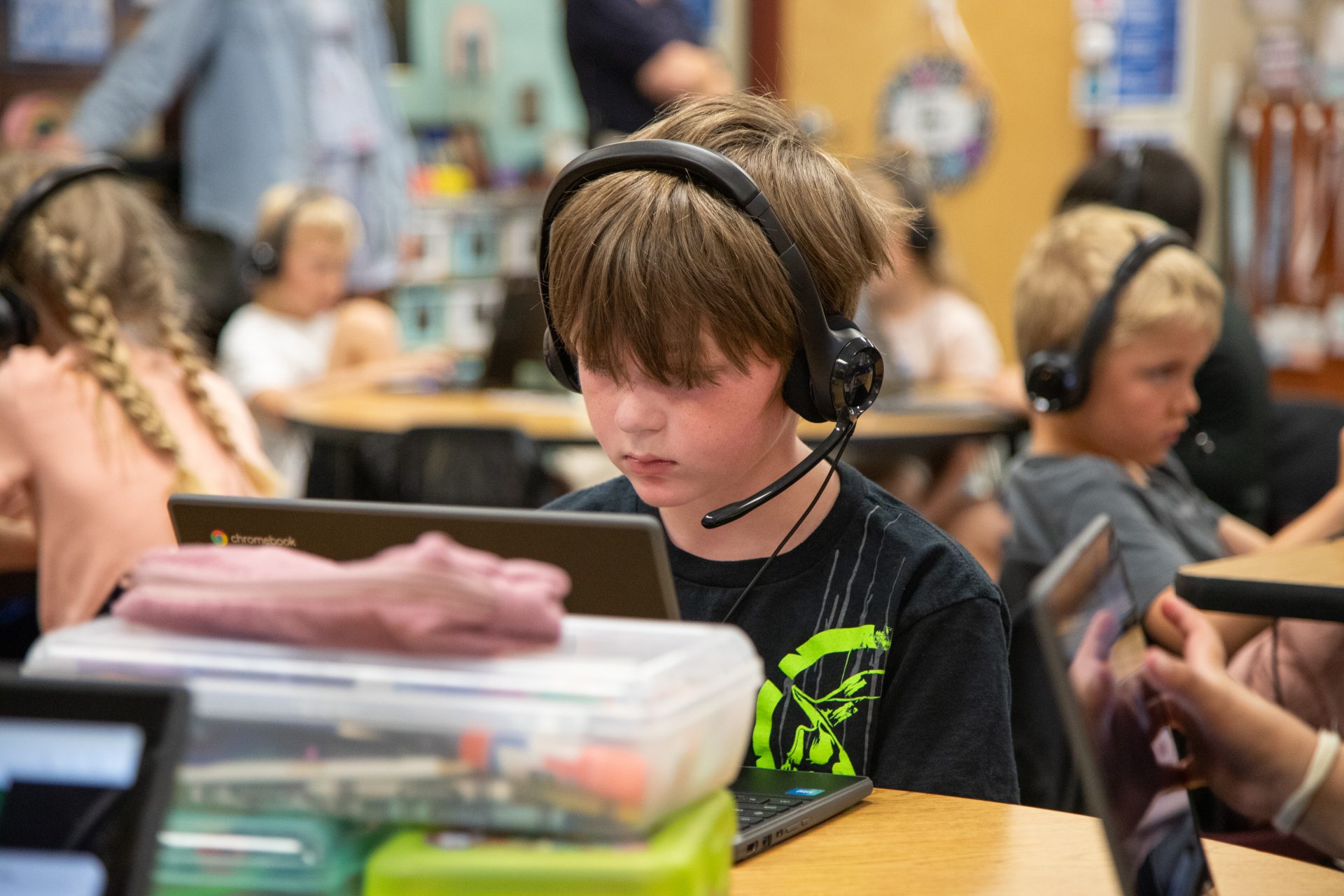
When schools started buying Chromebooks during the pandemic, the devices would receive updates for about four years, Elwood said, but Google has since increased that to 10 years for new Chromebooks.
Even before hitting that date, Chromebooks have a low resale value. Bonneville trustees this month approved listing 1,488 Acer Chromebooks as surplus for $7,440, or $5 each. The devices are four years old.
The Boise district hopes to avoid that situation in a five-year, lease-to-own program with Apple.
A new approach in Boise: ‘Strategic timing’
Switching from Chromebooks to MacBooks to save money may sound counterintuitive, but Goodman explained to trustees how it works. It’s all about “strategic timing” and locking in prices now to avoid future fluctuations.
When staff members made plans this year to refresh the district’s stock of student Chromebooks and staff HP ProBooks, they noticed the price increases and began looking for alternatives, Goodman said.
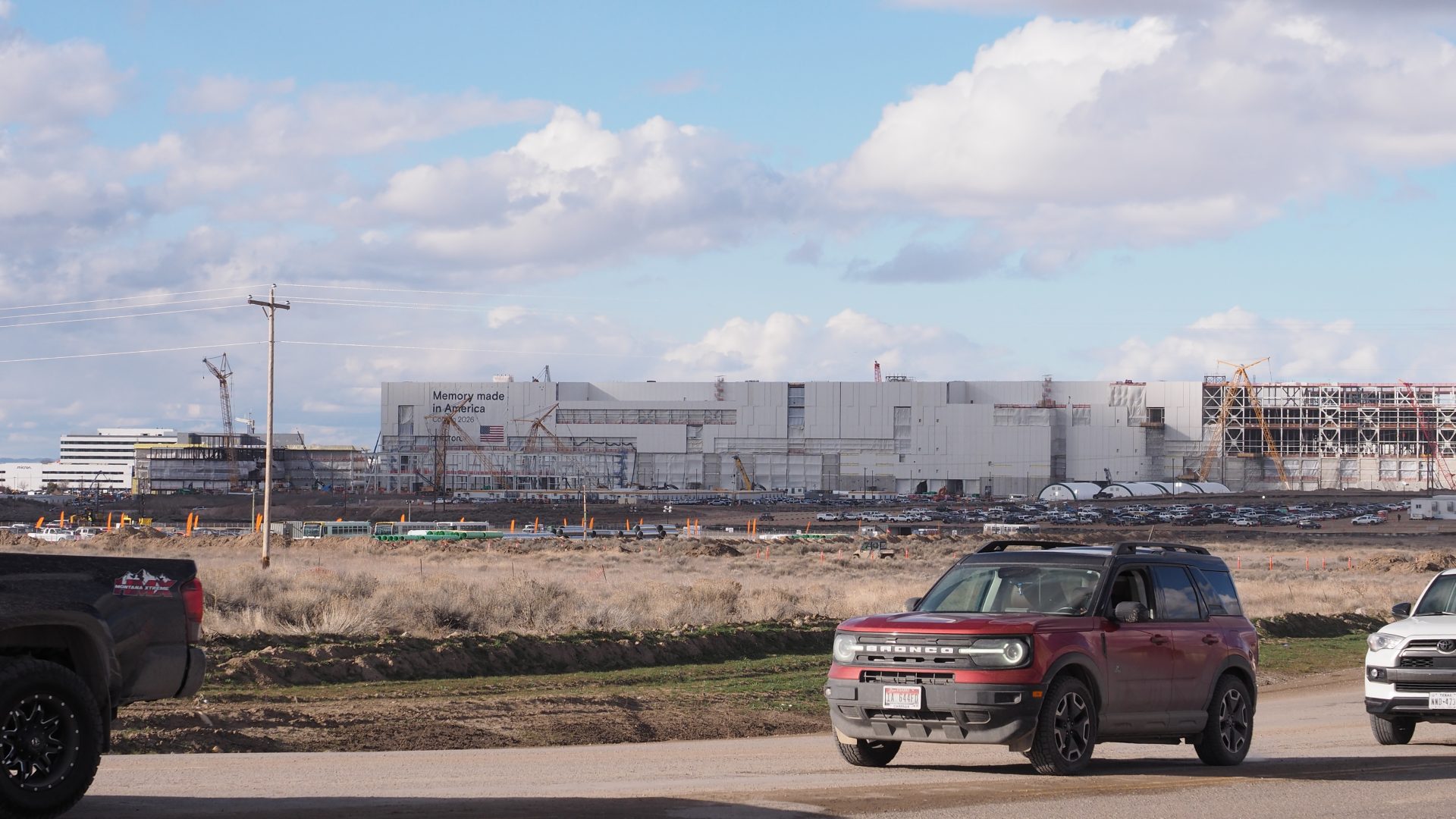
In September, the district paid $800 for those ProBooks. In December, a “major manufacturer of RAM” left the consumer market and announced it would sell only to AI data centers, Goodman told trustees.
That major manufacturer is Boise’s own Micron Technology.
“The AI-driven growth in the data center has led to a surge in demand for memory and storage,” Micron Chief Business Officer Sumit Sadana stated in a press release. “Micron has made the difficult decision to exit the Crucial consumer business in order to improve supply and support for our larger, strategic customers in faster-growing segments.”
Prices jumped after that announcement. In May, the cost of that same HP laptop that teachers use jumped to $1,315 — a 64% increase in eight months.
Regular device replacement last year cost Boise schools $2.8 million, but the recent price hikes would increase that budget item to $3.98 million this year, Goodman said.
“It’s very unpredictable because you saw how quickly those prices were rising, and they are continuing to rise as there’s more and more shortages in parts as we see more data centers being built,” he told trustees.
The search for alternatives led the district to Apple, which in late June announced price increases for Macs and iPads.
But Goodman said district staff communicated with Apple before that announcement and locked in the lower prices. Trustees at that July 13 meeting unanimously approved a five-year, lease-to-own program with Apple for some 22,000 devices.
“I think certainly the predictability of locking in right now seems especially wise given the markets and everything,” trustee Paul Bennion said.

‘I see this as a positive’
Boise will now pay Apple a fixed annual payment of $3.63 million for the next five years, which is lower than the budgeted $3.98 million for device replacement.
Students will continue to use Chromebooks this school year. Goodman said the district will receive the new Apple devices in November, deploy them to pilot schools by January and then transition all schools to Apple over the summer.
The district will purchase the MacBook Neo for students in grades 3-12 for $494, and staff will use the MacBook Air for $979. Apple is now charging an extra $100 for the Neo and $200 for the Air, but Boise avoids that by locking in the pre-increase price. K-2 students will use iPads.
The lease program includes training, tech support and AppleCare for each device. It’s better than a typical warranty, Goodman said. Apple will repair each device up to two times each year for free, which will reduce district IT costs.
At the end of the five-year lease, the district will own the devices and can then resell, trade or keep them.
Instead of the $5 that Bonneville is getting for four-year-old Chromebooks, Goodman said the five-year-old MacBooks could be resold for $200.
“Being able to get $200 per unit back is quite a bit of money that we would recoup at the end of this plan,” Goodman said.
Trustee Nancy Gregory said the switch to Apple allows students to use devices that are “more scientific and more sophisticated,” particularly for career and technical education students.
“I see this as a positive thing for students,” Gregory said.