
(UPDATED, 4:17 p.m., with information from North Idaho College.)
The numbers are startling — but they might also be misleading.
According to a recent report mandated by and filed with the Legislature, the University of Idaho fielded 139 Title IX complaints from July 2025 through June. Meanwhile, Idaho’s seven other state colleges and universities reported 36 complaints, combined.
When Idaho EdNews asked about the numbers — and the huge discrepancy — an official said the U of I used the wrong terminology in its report. The rest of the U of I’s report, outlining actual Title IX investigations, is more or less in line with other colleges and universities across the state.
The reports to the Legislature shed some light on Title IX issues on Idaho campuses — and violations of the sweeping federal education law that prohibits sex-based discrimination. It’s an intimidating process, shrouded in secrecy. Part of the university’s job is to help students work their way through the process — by making classroom scheduling changes, offering counseling and mental health services, or providing help in filing a police report.
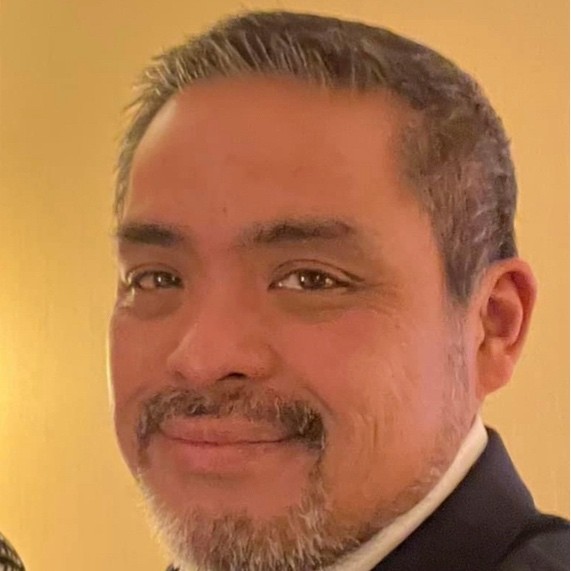
“We’re viewed as kind of a scary office, and I think the goal for me is to try and change that,” Russ Rivera, director of the U of I’s Office of Civil Rights and Investigations, said in an interview.
What the U of I reported
State law requires colleges and universities to file Title IX reports by July 1, an outline of complaints, investigations and outcomes. The reports are available on the Legislature’s website.
A short Title IX explainer
Title IX is one of the shortest federal laws ever passed. It prohibits discrimination in schools on the basis of sex.
The terminology gets trickier when it comes to enforcement. Here’s a walkthrough.
First, a student or staffer reports a possible Title IX violation to a college or a university. They can make a report on their own behalf. Or, as a witness, they can file a report on behalf of someone else. (That means a school can receive multiple reports about the same incident.)
Sometimes, the person making a report decides against following up — or pursuing a matter reported by a third party. Some reports just don’t fall under Title IX, which applies only to students and staff, not the outside community. Some matters are settled informally, through mediation. For these reasons, most initial reports don’t lead to a formal Title IX complaint, or a Title IX investigation.
Under state law, colleges and universities must report “the number of Title IX complaints received during the previous academic year.” The annual reports must also include “the number of (Title IX) investigations conducted and a description of the outcomes of all investigations.”
“From July 2025 (through) June 2026, the University of Idaho received 139 Title IX complaints,” President C. Scott Green wrote in the June 30 report.
But in this case, “complaints” is a misnomer, Rivera told EdNews Friday. The 139 figure, he said, is essentially a log of every Title IX-related contact with his office. It includes preliminary reports that went no further: No one ever filed a formal complaint, and the university did not launch an investigation.
“I’m used to calling things complaints versus reports,” Rivera said. “And so, in this case, I reported the wrong number.”
Rivera said Title IX reports are down from previous years. The U of I is looking at resubmitting its legislative report, he said, with terminology that would be “a little bit more consistent with the other universities.”
A Title IX report doesn’t necessarily lead to an investigation. In some cases, a third party files a report, and the alleged victim doesn’t want to pursue a case. In other cases, the alleged victim drops their case, or simply stops engaging with university officials. That helps explain why the 139 cases, cited by the U of I in its own report, winnow down quickly.
Three U of I cases rose to the level of a formal investigation:
- A sexual harassment case, involving students in a study-abroad program. The parties agreed to informally settle the case, through a mutual no-contact order. “The students have since graduated, and the Mutual No-Contact Order is no longer in place,” Green wrote.
- A sexual harassment case, involving members of a university-sanctioned club.
- A complaint of on-campus sexual assault. After initially agreeing to settle the matter internally, the alleged victim asked for a formal university investigation. The Moscow Police Department is also investigating the case, Green wrote in the June 30 report to the Legislature.
All three investigations have since closed, but Rivera said he could provide no additional details. “Until we have final sign-off from students, we have to report these incidents as pending resolution,” he said in an email.
What other colleges and universities reported
Here’s a rundown from the other Title IX reports:
Boise State University. Seven formal complaints: three stalking complaints, two rape complaints, one sexual coercion complaint, and one criminal sexual coercion complaint. (A sexual assault allegation also arose from one of the complaints.)
The outcomes were a mixed bag. In two cases, investigators found violations of university policy. In two other instances, the students under investigation left Boise State, and the cases stalled out. The remaining three complaints are pending.
Idaho State University. Four formal complaints: two stalking complaints, one sexual assault complaint, one sexual harassment complaint.
The university investigated two of the complaints. Investigators found evidence backing up the sexual assault complaint, but the case is under appeal. One of the stalking complaints remains under investigation.
Lewis-Clark State College. Six complaints. Two of the complaints led to an investigation — a case that was sent to LC State’s academic affairs office for further review, and a second case closed due to insufficient evidence.
College of Western Idaho. Fifteen complaints. In most cases, however, the complainants decided not to file formal paperwork. Two stalking complaints and one domestic violence complaint are pending.
College of Southern Idaho. Two complaints received, two investigations conducted. One investigation found no violations; the other investigation stalled, according to the report, due to “unwillingness to engage” in the process.
College of Eastern Idaho. One complaint received; it was dismissed after an investigation.
North Idaho College. One complaint received. An “unwillingness to engage” brought the investigation to an end.
NIC submitted its report Tuesday — nearly a month after the deadline in state law, and after EdNews has requested a copy of the document. NIC spokesman Gerry McCray said “technical difficulties” led to the delay.
The Title IX process at the U of I: An overview
Title IX issues reflect the adjustment to college — as first-year students from across the state, and beyond, descend on the Moscow campus. The U of I is seeing more reports involving first-year students, Rivera said. And that creates a twofold challenge: supporting students who have been victimized and helping all students understand the rules and expectations of life on campus and post-graduation.
“We’re here to educate students and ultimately to turn them into better human beings,” Rivera said. “No. 1, we’re here to make sure that students are safe, but we’re also here to educate and to make sure that they’re learning through the process.”
While Title IX reports are down, Rivera said he is encouraged to see more students reaching out for support from his office. In the past year, the U of I has offered a range of “non-punitive” measures to students on either side of a Title IX dispute. Among other things, Green wrote, students have been allowed to drop classes without penalty, move to alternative housing or get assigned to a new teaching assistant.
While Title IX is one of the most powerful federal education laws on the books, it has a limited bailiwick. Since it involves discrimination in education, it only applies to students, faculty or staff.
But the work in Rivera’s office isn’t limited to campus. His office also helps students who want to file a police report. “We will work with students to help them pull together a case, because just the idea of reporting is a big endeavor for them.”