It’s not just about money for rural hospitals and clinics.
Or support for medical school students.
This year’s $186 million in federal rural healthcare grants could support a host of Idaho higher education and K-12 programs. Education is a “huge part” of Idaho’s five-year healthcare transformation plan, Department of Health and Welfare Director Juliet Charron said in a recent Idaho EdNews interview. Part of the job is getting the word out that the federal grants are available to colleges, universities and K-12.
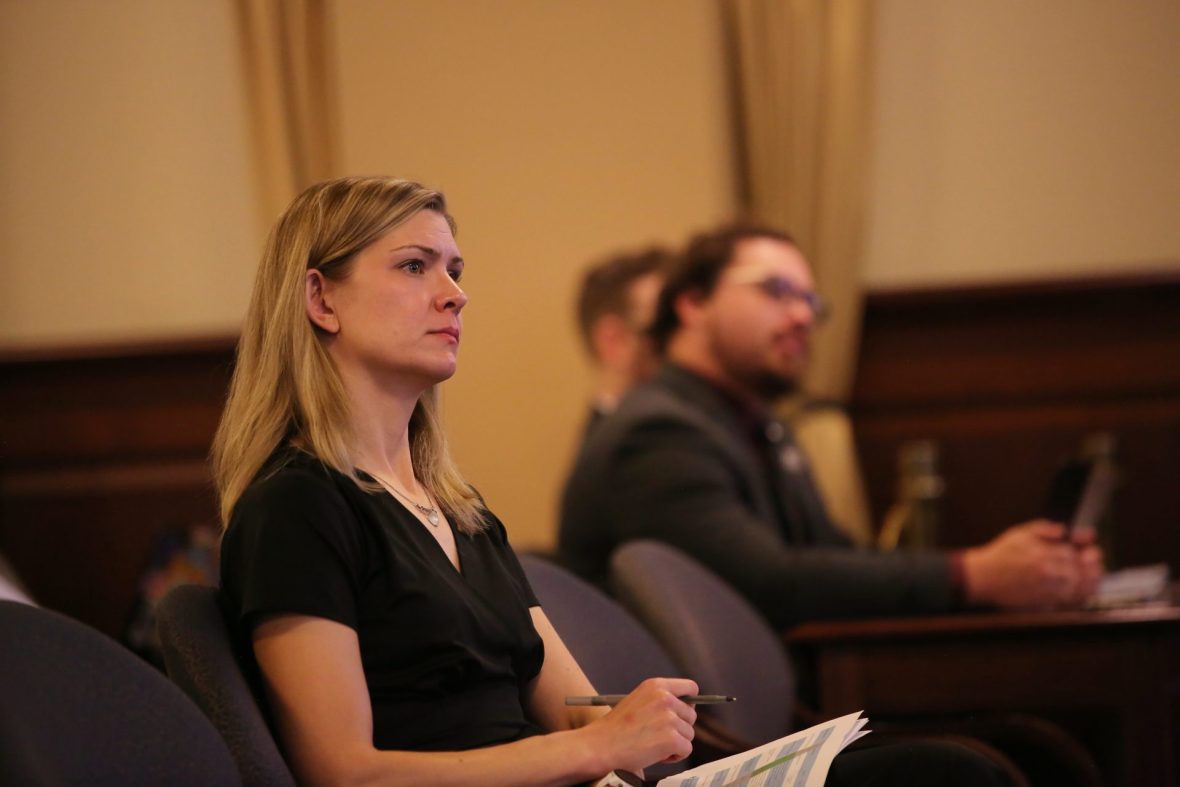
Idaho has earmarked $8 million of its $186 million for programs that fall under the heading of graduate medical education, or GME: residencies and fellowship training programs for medical school graduates. The state could siphon some of that $8 million into programs that support medical students — initiatives in undergraduate medical education, or UME. A legislative oversight committee discussed these options last week; read our full coverage.
But here are three other Idaho education initiatives that could receive a cut from the federal funding.
New spaces in behavioral health? As rural districts and charters struggle to meet students’ behavioral health needs, the state could use some grant dollars to set up in-school behavioral health stations — staffed in person or through telehealth support.
The grants could fund clinics that might not otherwise exist in a small community. “We’re trying to think creatively about creating that infrastructure within the school environment,” Charron said.
Programs starting in K-12. Idaho’s physician shortage is well-established: The state has the nation’s fewest doctors per capita, and the doctors that are here are aging and serving a growing population. But Idaho’s staffing shortages go well beyond the top of the health professions food pyramid — and the GME and UME programs legislators discussed last week.
K-12 can play a role in addressing other healthcare professions, and other Idaho shortages. Some high schools already allow students to graduate with certified nursing assistant credentials. The feds’ grants could expand these offerings.
A higher ed outreach collaboration. A $12.5 million suite of programs could bring healthcare education programs to unserved outposts from the Panhandle to Idaho’s southeast corner.
“We see this really as a chance to say yes to 16 rural counties that currently have no onsite public healthcare education,” State Board of Education Executive Director Jennifer White told legislators last week. “All eight of Idaho’s public institutions came together around one simple question: What would it take for students in those communities to begin and complete healthcare training without leaving home?”
Idaho’s eight colleges and universities will have a hand in delivering these programs — including a mobile, hands-on simulator program and an expansion plan to train rural students in nursing, medical imaging and other fields.
The goal, White said, is to “create infrastructure that would continue producing healthcare professionals long after the grant has ended.”
How much money is up for grabs?
The rural healthcare transformation program, a piece of the 2025 federal omnibus law known as the One Big Beautiful Bill Act, is a $50 billion nationwide behemoth. It could bring about $930 million to Idaho over five years.
Idaho’s $186 million-a-year payments could increase or decrease depending on how the state’s plan performs. All states face the same deadline from the feds. They must commit their first-year grant dollars by Oct. 30.
Health and Welfare is quickly working through grant proposals. The agency is asking the Legislature’s eight-member oversight committee to turn around its program reviews within three working days.
Future funding could be on the line. States that stay on schedule this year could receive more money during the rest of the five-year cycle — coming at the expense of deadline-challenged states. Charron isn’t sure how much money could be up for grabs, or at risk.
“I want us to have eyes wide open … We have to stay laser focused on this work.”
Five years — and done?
This summer, Health and Welfare is running “pedal to the metal” to hit the feds’ deadlines, Charron said.
But with an eye to the long-range future. Every program that’s funded will have a sustainability plan, Charron said in EdNews’ interview.
“We’ve heard loud and clear, from the governor, from the Legislature, there will be no fiscal cliffs with this,” she said. “It’s not an option.”
During last week’s legislative oversight committee meeting, those concerns were front and center. Committee member Josh Tanner, the co-chair of the budget-writing Joint Finance-Appropriations Committee, questioned the idea of committing to long-term medical education funding — with one-time federal money, and without the Legislature’s approval.
“I do think it can be a good thing if it’s done right,” said Tanner, R-Eagle. “But we are now looking at committing the Legislature.”