POCATELLO — A $930 million flood of federal grants could address Idaho’s rural healthcare needs — shortages that stretch across its landscape and reach into nearly all professions.
The money could also bolster programs that serve small towns and align with Idaho State University’s historic mission in healthcare education.
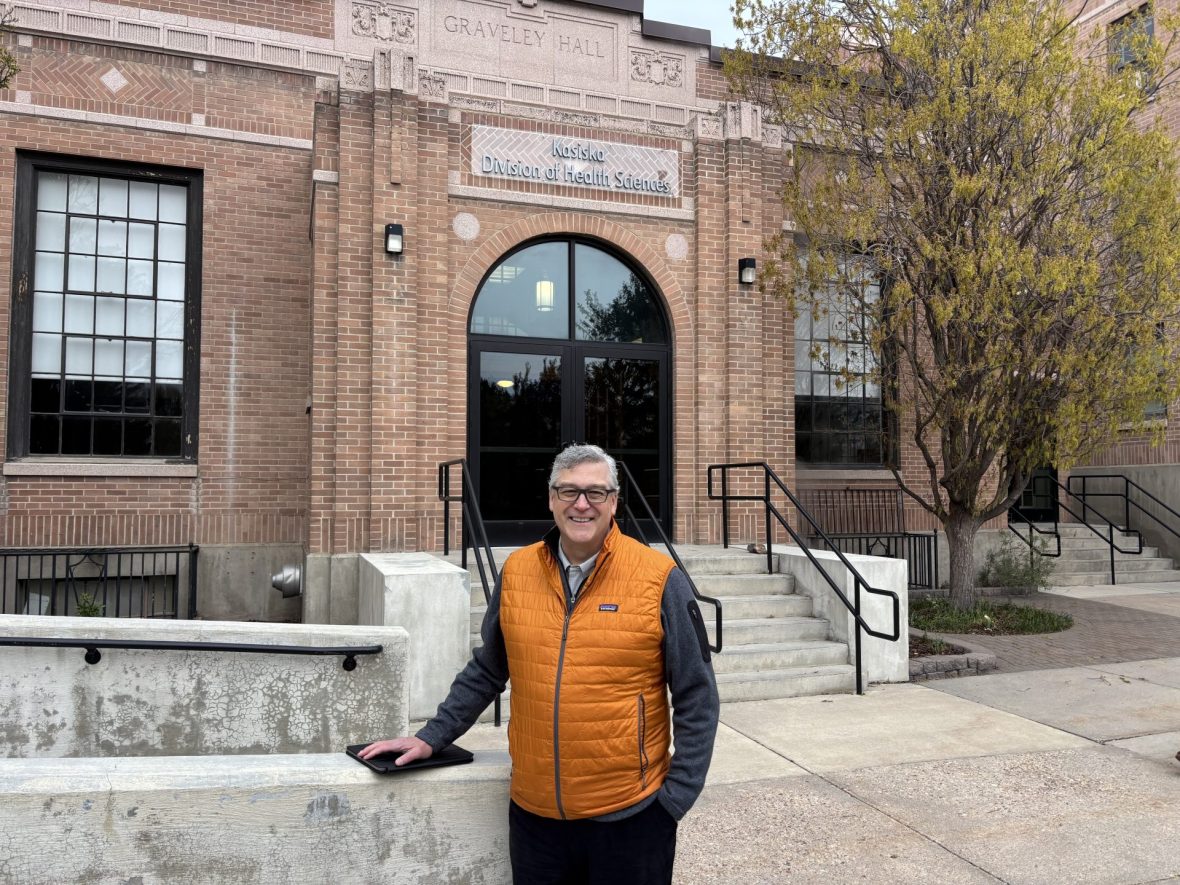
“We feel like there’s a great opportunity for us to leverage some of the programs that we’ve already developed, and I think that we have some shovel-ready things,” said Rex Force, Idaho State’s vice president for health sciences and senior vice provost.
The money is on its way from Uncle Sam. What happens in Idaho is uncertain.
The 2026 Legislature asserted its control over the grants — creating a committee that will oversee the state’s spending decisions. Eight Republican lawmakers will determine what share of the money goes into education, at Idaho State or elsewhere.
And this same Legislature had a mixed record on medical education.
Lawmakers put money into in-state residencies for medical school graduates, a growth area in an otherwise spartan 2027 budget. But lawmakers also tried to cut other residencies.
And lawmakers did nothing to send more Idaho students to medical school — reneging on their own commitment from 2025.
Idaho’s One Big Beautiful Deadline
The influx of money comes from the One Big Beautiful Bill. The omnibus 2025 law includes $50 billion in Rural Health Transformation Program grants.
The feds approved Idaho’s grant on Dec. 30.
Now, the state has six months to figure out what to do with $185,974,367.81 — the first installment of the five-year grant.
The state must obligate its first-year grant by Oct. 30. The feds are using carrots and sticks to keep states on task. States that hit their deadlines and use their money wisely could get additional grants in future years; states that struggle could be docked.
“We have a lot of work to do, very quickly,” said Sen. Julie VanOrden, R-Pingree, when the Legislature’s rural health transformation committee held its first meeting last week.
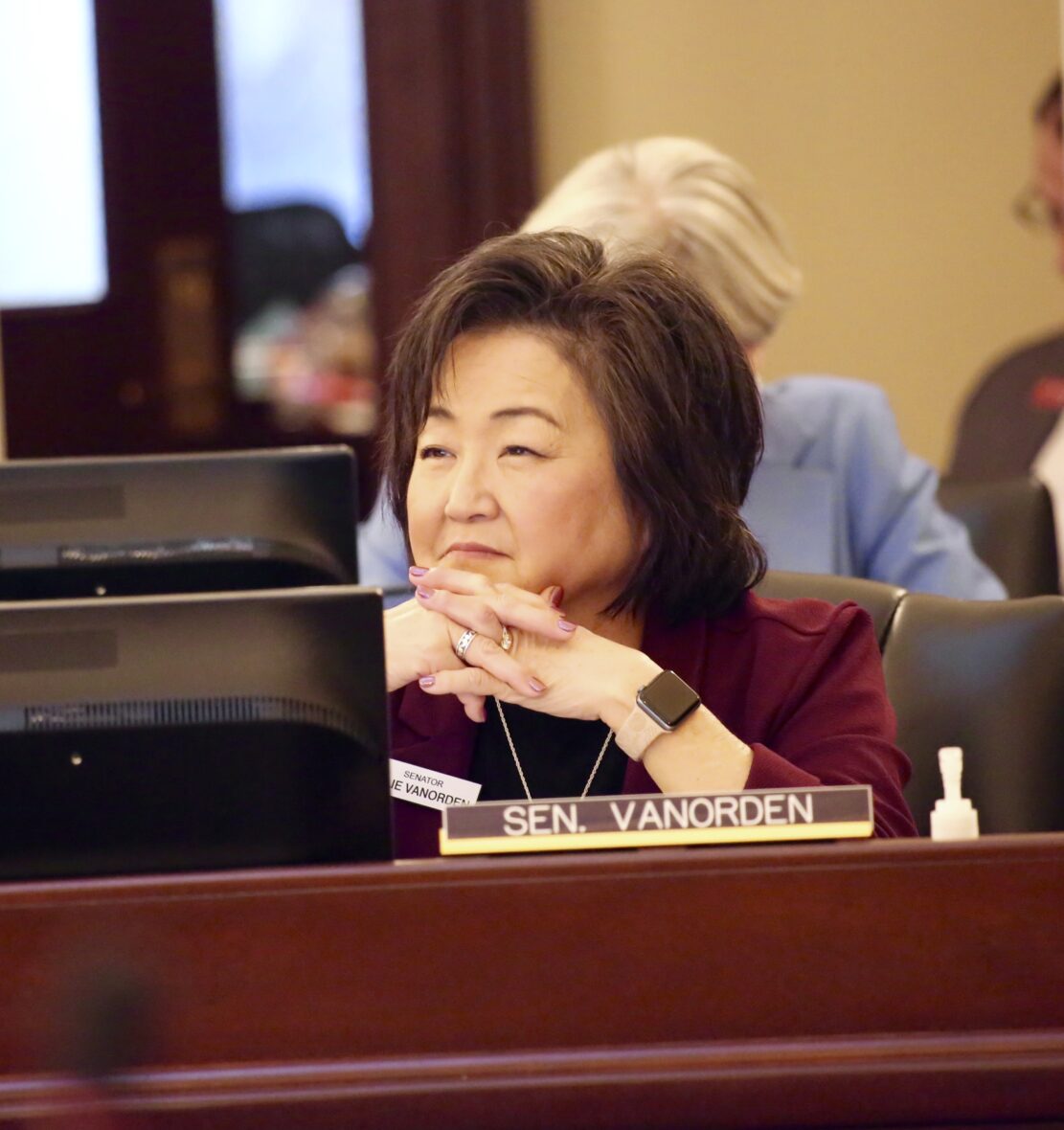
The Legislature carved out this oversight role for itself.
After the state Department of Health and Welfare applied for the federal grant on Idaho’s behalf, the 2026 Legislature created a rural health transformation committee. Co-chaired by VanOrden and Rep. Jordan Redman, R-Coeur d’Alene, the committee will review proposals for the federally funded contracts and grants — on a tight turnaround. The committee will have one week to review each proposal and provide feedback to Health and Welfare.
What’s on the table (And, maybe, what isn’t)
Barely two weeks after the feds approved Idaho’s grant application, one lawmaker began talking big about the potential uses for the money.
In a Jan. 15 legislative hearing, Rep. Dustin Manwaring floated the idea of using some of the $930 million to buy the Idaho College of Osteopathic Medicine — a for-profit Meridian medical school, aligned with Idaho State, that some lawmakers are interested in acquiring. Manwaring, R-Pocatello, now sits on the Legislature’s rural health transformation committee.
ICOM is not on the market, although it probably will be at some point. Meanwhile, there are mixed signals about whether states can use the federal grants to bankroll a big capital investment.
On one hand, Delaware plans to spend some of its grants to build the state’s first medical school.
On the other hand, Idaho Health and Welfare Director Juliet Charron didn’t directly address ICOM, or a medical school, during last week’s legislative committee hearing. But she said states can spend no more than 20% of their money on infrastructure — to remodel a rural hospital, for example, as opposed to building a new one from scratch.
One section of Health and Welfare’s rural healthcare blueprint ties closely to higher ed: worker training, recruitment and retention.
Lawmakers might have their own ideas, Charron told EdNews last week, but Health and Welfare is looking at how to use some money to bolster residencies — the on-the-ground placements for medical school graduates. Residencies are seen as a linchpin for recruiting doctors into rural communities. The hope is that young doctors stay put after their residencies, launching their careers in underserved communities.
Force recognizes the need for residencies, and using federal grants to build up new programs. But he says it would be “foolish” to use short-term grants to cover the state’s residency program costs.
“That’s a recipe for disaster,” he said.
‘We’re a mile wide and an inch deep’
But Force has plenty of ideas for how Idaho State could spend a share of rural healthcare grants — in programs poised to expand.
“I think there’s a lot of creative ideas within the university,” he said in a recent interview. “But we’re a mile wide and an inch deep, sometimes. With some more resources, we can make that grow.”
He says Idaho State could build on its Area Health Education Center network, which is designed to help link students with healthcare careers in rural Idaho.
A pharmacist by trade, Force is also excited about using federal grants to push pharmacy services into small towns, even if it’s only with a kiosk. He sees it as an extension of Idaho State’s Bengal Pharmacy network, which serves Arco, Challis and McCammon.
“There are many small towns that are teetering on the edge in terms of being able to provide pharmacy services, let alone everything else,” Force said.
While Force is eager to discuss opportunities, his counterparts aren’t. EdNews reached out to every public college and university in the state. Several schools had little to say about the federal grants — or deferred to the State Board of Education.

The State Board is trying to navigate the grant program, Executive Director Jennifer White told EdNews this week. There’s a lot to work through. The interplay between Health and Welfare and the legislative committee. The tight deadlines. And grant awards that will stretch well beyond the state’s campuses.
“This isn’t just a conversation for higher education,” White said. “It’s a conversation for the state of Idaho.”
The Legislature’s mixed record on medical education
As the federal grants roll out, the 2026 session provides a glimpse into the Legislature’s mindset on medical education — and Idaho’s physician shortage.
Lawmakers did fund Gov. Brad Little’s $900,000 plan for 15 new residencies for medical school graduates. But that’s only part of the story on residencies.
When legislative budget-writers were weighing deeper cuts into all state budgets, including medical education, they received a sharp warning from a State Board committee. Cutting funding for residencies would undermine existing contracts, and the state’s commitment to growing its physician workforce. Budget-writers walked back their request.

Later in the session, lawmakers passed a budget bill that would have cut residencies. Little issued a line-item veto to spare these programs.
Meanwhile, lawmakers left another aspect unaddressed: medical school.
Following Little’s recommendation, the Legislature funded no new medical school seats for Idaho students. For decades, Idaho has subsidized medical school seats at the University of Washington and the University of Utah — to make up for Idaho’s lack of its own public medical school.
A 2025 state law called for subsidizing additional medical school seats, starting this year. The 2026 Legislature never followed through.
That inaction disappointed Force, who served on a state committee that spent last summer and fall studying the state’s medical school options.
“Every year that we wait is, in essence, a seven-year delay before we have a practicing physician in the state, because you’ve got four years of medical school and a minimum of three years of residency,” said Force.
Fast forward to this summer.
Another state committee on healthcare.
But one with plenty of money at its disposal.
A deep-seated skepticism — and a pressure to produce
Healthcare is always a tough sell in rural Idaho, even if a community offers well-staffed and well-equipped services a short drive from home.
“Pushing against all of this is the independent Idaho nature,” Force said. “Rub some dirt on it and get back to work.”
A similar, salty skepticism extends to a federally funded healthcare “fix.”
As the 2026 Legislature discussed the rural healthcare grants — a piece of President Donald Trump’s signature domestic policy — some members of his own party did nothing to hide their scorn. They saw the $930 million as part of another runaway program that will add to the national debt, not unlike the surge of federal aid that followed the COVID-19 pandemic.
Some lawmakers will be preconditioned to distrust any grant-funded programs, simply because of the funding source.
Other lawmakers will want results. And immediately.
Force is all too aware of the pressures that come with new money.
“It’s going to be really difficult, especially this first year,” he said. “Maybe it’ll be a lot of needs assessment and planning in the first year. But … spending nearly $200 million on needs assessments does not sound like a good use of funding.”
Kevin Richert writes a weekly analysis on education policy and education politics. Look for his stories each Thursday.