
State officials have six months to figure out where to spend nearly $186 million in federal healthcare grants.
A legislative panel took its first look at the job Wednesday morning.
A House-Senate Rural Health Transformation Committee will oversee the rollout of the federal grants. Colleges and universities can apply for a share of the grants. Idaho could use some of the money to expand medical education programs, addressing statewide doctors’ shortage that is especially profound in rural communities.
But lawmakers could go in any number of directions — and the state must commit the $186 million by Oct. 30.
“We have a lot to do in this first year,” Department of Health and Welfare Director Juliet Charron told lawmakers Wednesday.
The grants, and the education connection
The $186 million is just the first phase. Over five years, Idaho will receive $930 million in federal healthcare grants. It’s part of a $50 billion program inserted into the federal One Big Beautiful Bill, passed last summer. The feds approved Idaho’s grant application late last year.
States are supposed to use the grants to improve rural healthcare systems — on anything from telehealth to facility remodels to signing bonuses for medical professionals who settle in small towns.
In the medical education realm, states can use the money for rural residencies for medical school graduates. But these must be new programs, Charron said, expanding into specialties or communities that are now underserved.
Health and Welfare will work on possible medical education grants with the State Board of Education. “We don’t want to duplicate efforts,” Charron said after Wednesday’s hearing.
Health and Welfare is focusing grant money on graduate programs, such as residencies for aspiring doctors who have already attended medical school. The agency isn’t focusing on the undergraduate side of the equation — such as subsidizing seats for Idaho students who attend an out-of-state medical school. However, as Charron noted Wednesday, lawmakers could change that.
The Legislature’s role — and who will make the decisions
The mere existence of the Rural Health Transformation Committee is a sign that the Legislature wants to exert its influence over the federal windfall. Lawmakers created the committee in the waning days of the session, saying they did not want to defer all the spending decisions to Gov. Brad Little or Health and Welfare.
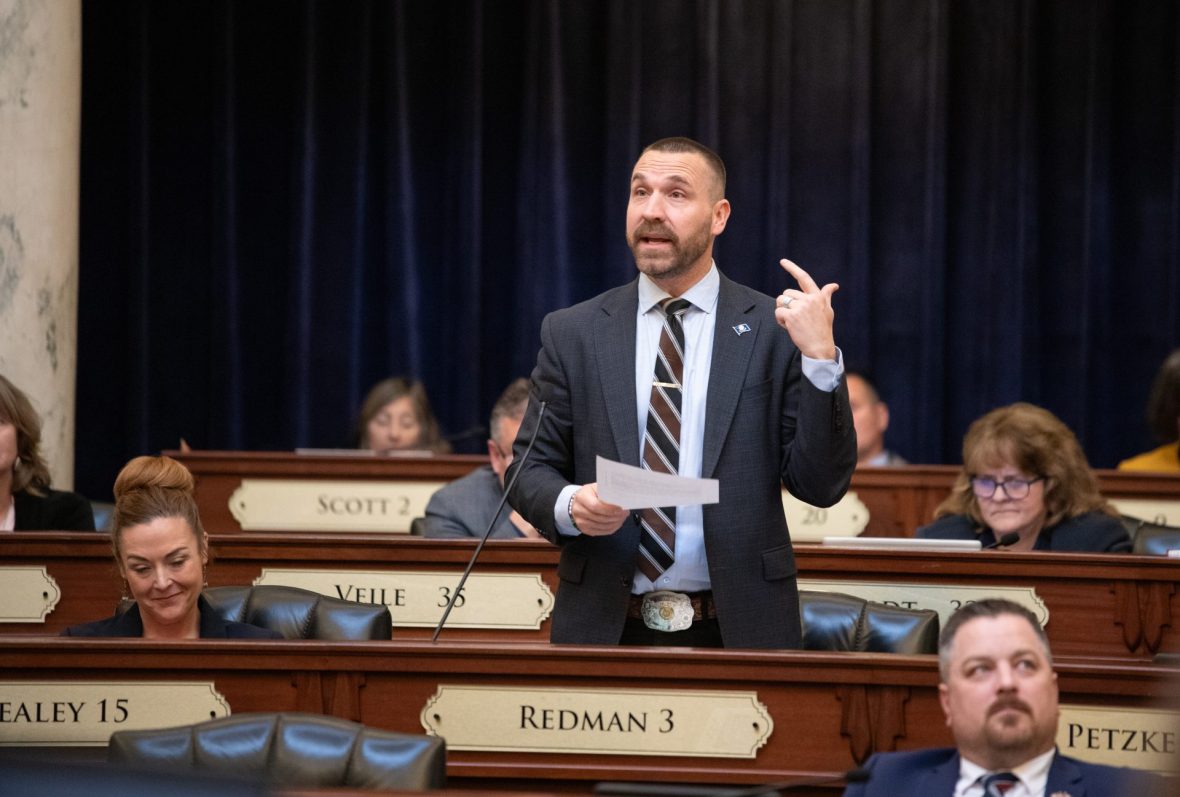
“We want to steward that money really appropriately,” said Rep. Jordan Redman, R-Coeur d’Alene, the committee’s House co-chair.
During the session, the Legislature deadlocked on what the committee should look like. The Senate wanted to set aside most committee seats for rural legislators. The House wanted no such restrictions. Competing House and Senate bills stalled out in the Statehouse.
The Joint Finance-Appropriations Committee ultimately sided with the House. Budget-writers wrote language into a spending bill — allowing legislative leadership to select four House members and four Senate appointees, with no strings attached.
House leadership appointed only urban and suburban lawmakers: Republican Reps. Josh Tanner of Eagle, Dustin Manwaring of Pocatello, Dori Healey of Boise and Redman.
The Senate’s delegation takes on more of a rural flavor: Republican Sens. Julie VanOrden of Pingree, Mark Harris of Soda Springs, Brandon Shippy of New Plymouth and Camille Blaylock of Caldwell.
However, no Democrats were appointed to the committee.
During the session — as he proposed a standalone House bill to create the rural healthcare committee — Redman assured Democrats that the panel would be bipartisan. But that bill and competing standalone measures all died, Redman said after Wednesday’s hearing, and that gave House and Senate leadership wide latitude to fill the committee.
The clock is ticking, so what happens next?
The committee could begin its formal work very soon.
Charron said she hopes to have some paperwork for lawmakers as early as next week — requests for bids and grant applications. She said she’d like committee members and committee co-chairs to review the paperwork in a matter of days, so the state can stay on schedule and commit its $186 million in grants by the end of October.
But the committee probably won’t meet again for more than a month. Representatives from the feds’ Centers for Medicare and Medicaid Services are planning a May 27-28 site visit to Idaho, and the committee will schedule its meeting around that visit.
That means the legislative committee won’t meet until after the May 19 primary election.
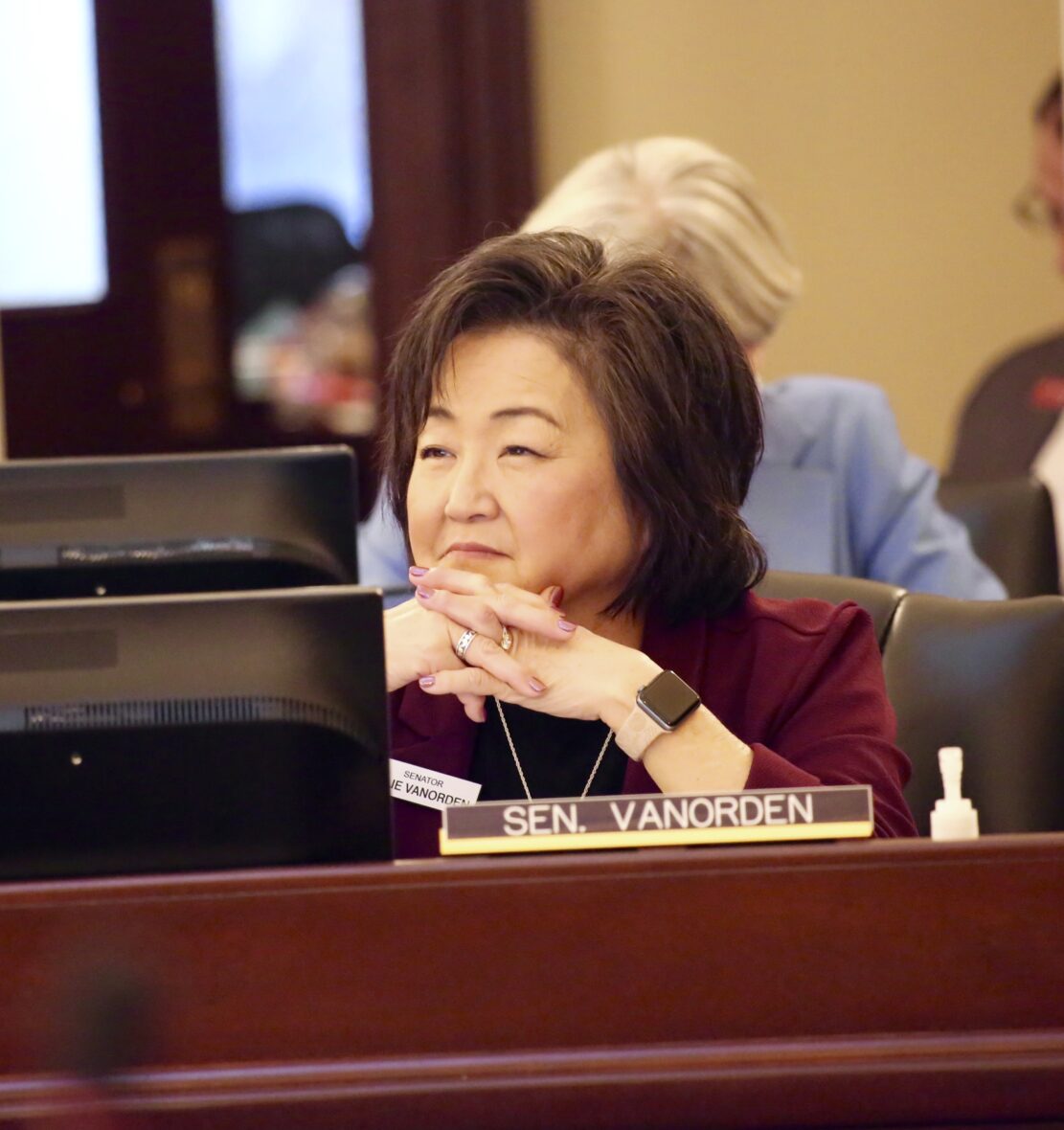
“We need to focus, some of us, on that,” said VanOrden, one of three committee members facing a primary opponent next month.