BALTIMORE – School districts around the country are facing a painful reality as enrollments decline.
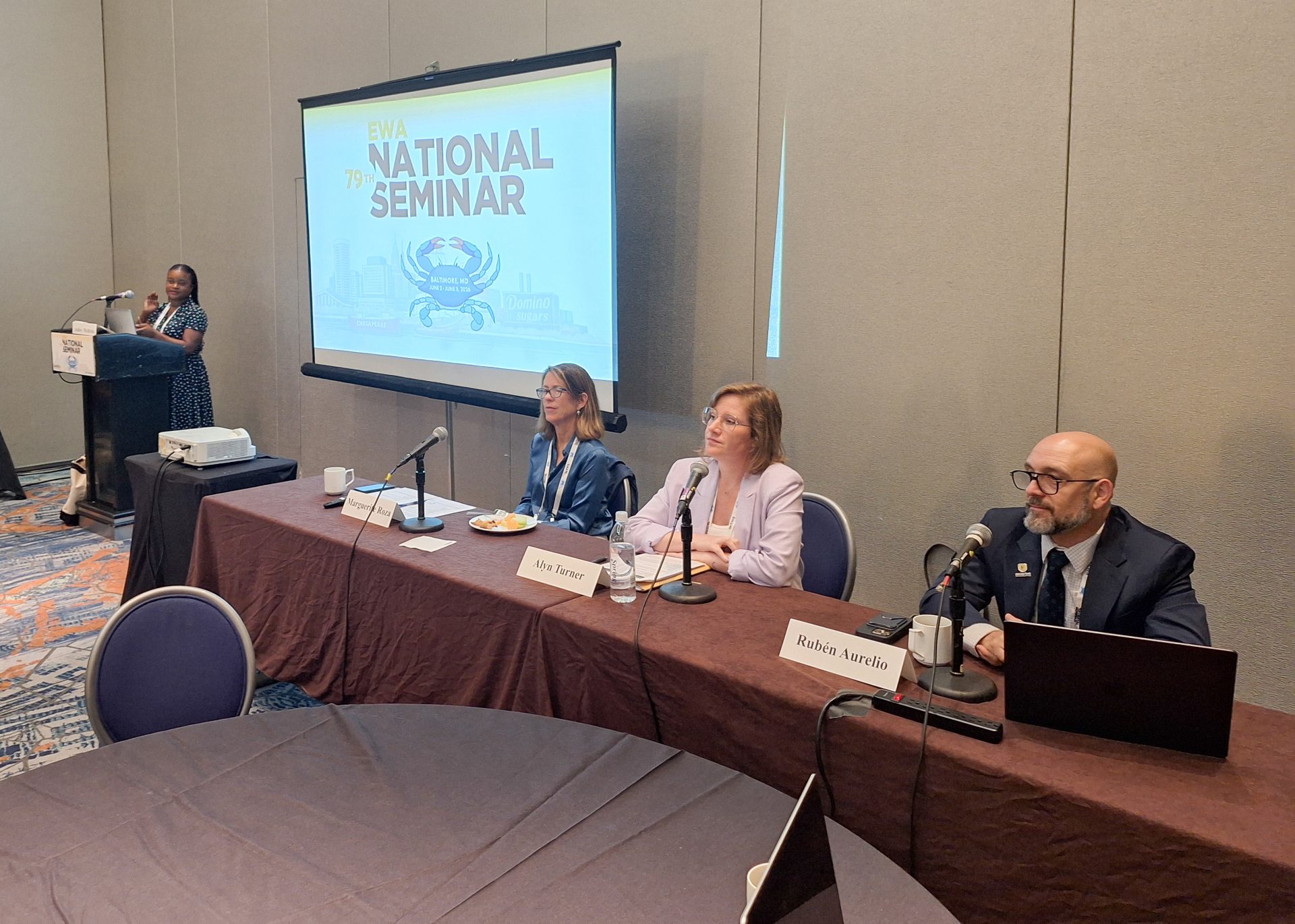
For many districts, there are too many schools for the number of kids they’ll serve in a few years, according to Marguerite Roza, director of the Edunomics Lab at Georgetown University.
It’s not a matter of if schools will close but when, as lower birth rates have led to smaller incoming kindergarten classes.
“We have this misalignment and it’s making it really painful for districts,” Roza said.
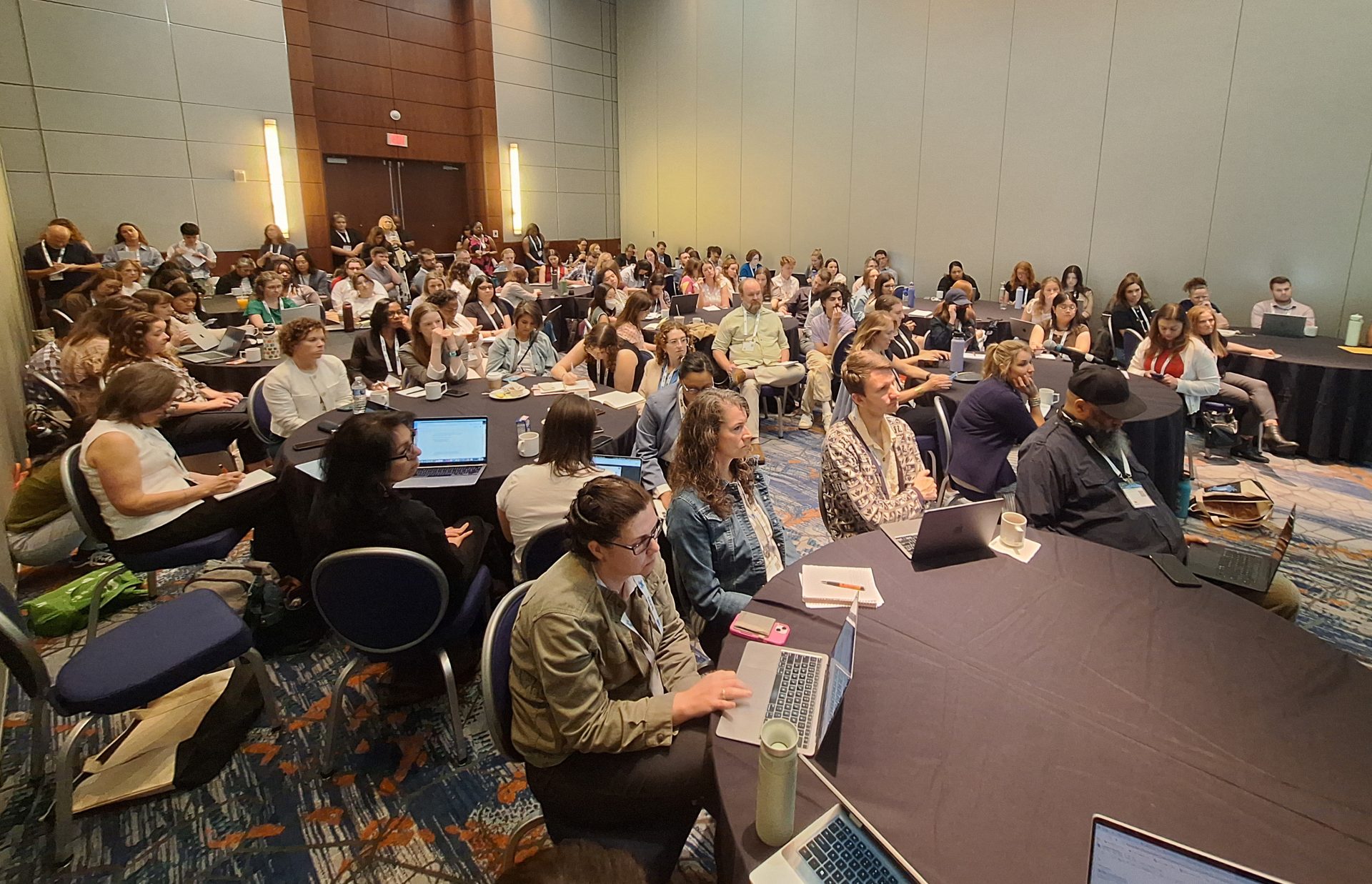
Roza was one of three panelists at a discussion on the dynamics of shrinking public school enrollment and the school closures that follow at the 79th annual Education Writers Association seminar last week in Baltimore.
While Idaho is one of the fastest growing states in the nation, its public school district enrollment has been in decline for the past couple of years. Of the top 10 largest districts in Idaho, eight recorded lower enrollment from 2024 to 2025.
That includes Nampa School District, where trustees in 2023 voted to close four schools. Enrollment in Nampa declined by 3,100 students, or 20%, from 2018 to 2024.
But residents in the tiny Bruneau-Grandview School District — with 257 students this year and an enrollment decline of 13% from 2018 to 2024 — voted in November to keep open Bruneau Elementary School, which serves just 24 students.

From Roza’s perspective, when districts and parents in declining schools fight closures, they end up having to talk about cuts elsewhere to sustain half-empty schools. That might mean getting rid of athletics, classroom aides, transportation, nurses or counselors.
Some parents might feel the district is being mean by proposing closures, but Roza said it’s not an option to go back to the way it was before. And it’s important for the public to understand that it’s not a question of whether a district should close a school or not.
“But it’s how do we solve the financial situation that we’re in because we don’t have enough kids for what the footprint of our district is at right now,” she said.
An emotional endeavor
Superintendent Rubén Aurelio has embraced the necessity of school closures in California’s Vallejo Unified School District.
In just two years on the job, his district has closed five schools. From 2018 to 2024, the district’s enrollment dropped by 23%, from about 12,480 to 9,650.
He recognizes it’s an emotional endeavor for a community, but a necessary one. One of the closed schools is the oldest building in the district.
“Some of these schools were named after local heroes,” Aurelio said. “People of color.”
For each of the school closures, his district livestreamed and recorded each meeting and discussion on the topic and had a section on the website dedicated to it. He recommends that other districts do the same and make sure the public has plenty of chances to share their thoughts.
“We gave them many opportunities to yell at us if they needed to yell at us, share the painful experience, tell us why we’re wrong,” Aurelio said.
EdNews reporter spent a week in Baltimore
Attending the annual Education Writers Association seminar is a rite of passage for journalists at Idaho Education News.
This year, reporter Sean Dolan attended the four-day conference in Baltimore for professional development and networking. He heard from reporters across the country in sessions on developing journalism skills and gained national perspective on topics such as changing graduation requirements and shrinking school district enrollment.
The most challenging part of the process, Aurelio said, was the feeling in some communities of “not us, them” as some parents pushed for other buildings to close instead of their own neighborhood school.
Roza provided some advice for districts that are considering closing a school.
She said some districts have the tendency to hold information close to the vest until a decision is made, but that can create anxiety and residents can feel they were lied to.
It’s also a bad idea to draw out conversations on closures over two years. She said the uncertainty can wear people down, and they might decide to move to a private school. She also recommended that districts focus discussions on the impacts to students, not staff.
“If the decisions are made in service of the staff, it doesn’t feel like a district that is oriented around students,” Roza said.
True or false?
To help paint a picture of the shrinking enrollment landscape, Roza presented four statements to the reporters at the conference, which she and her colleagues rated true or false.
False: Recent changes in federal money are wreaking havoc on district budgets.
Federal funding is a small slice of the pie in local school funding, and that federal funding has stayed mostly flat during President Donald Trump’s second term, Roza said.
But the end of pandemic relief funds, called the Elementary and Secondary School Emergency Relief Fund, has had an impact. Many districts used the money to expand staff, but that money expired in the 2024-25 school year. Now, districts must decide if they can keep those staff members.
True: The bigger issue is declining enrollment, and most of it is birth-rate decline.
Birth rates are the big problem here, Roza said. Enrollment drives revenue, so large districts get more money than smaller districts.
In many districts across the nation, and in Idaho, the incoming kindergarten classes are smaller than graduating senior classes.
“When a group of high schoolers graduates and gets replaced with another group that has been affected by these birth rate declines, you can see the enrollment will just come down, down, down on average across the district,” she said.
This trend is seen across all demographics, she said, but is more acute in urban areas.
“There is a villain here,” Roza said, in jest. “It’s young people. They’re not having enough kids, and I completely blame you all.”
True: Districts have more staff than at any time in history.
Enrollment is in decline nationwide and is forecasted to continue to drop, but school district staffing is at an all-time high.
She said that’s due, in part, to the pandemic relief funds and a decade of healthy state budgets.
“They have too many adults, oftentimes for the number of kids that they have, and the math just doesn’t hold up,” Roza said.
False: Teacher shortages continue to be major issues for districts.
Most districts are trying to shrink their workforce, Roza said, not add to it.
“They’re like, ‘Anybody want to leave? Let us know if you want to leave. That might help us,'” she said.
But fewer teachers are leaving the workforce, and many more are waiting in the wings.
“That doesn’t mean we’ve got enough teachers for every last school special ed program,” Roza said, despite the changing labor market.