PARMA — Debbie Critchfield believes that good teachers can teach with a stick on a dirt road.
But the requirements of the 21st-century classroom mean they need a few more things, the state superintendent said on Monday at Maxine Johnson Elementary. Prospective educators with a heart for teaching need support, student teaching, professional development, mentorship and the right leadership to make sure they stay in the profession.
A new $8 million federal grant will help provide that support for teachers in training in southwest Idaho and provide stipends for mentor teachers.
“I love that this grant is capturing what I think are the priority elements of what we’re trying to do, and that’s to create the environment for an effective classroom,” Critchfield said. “And the No. 1 and the most important component of that is the teacher.”
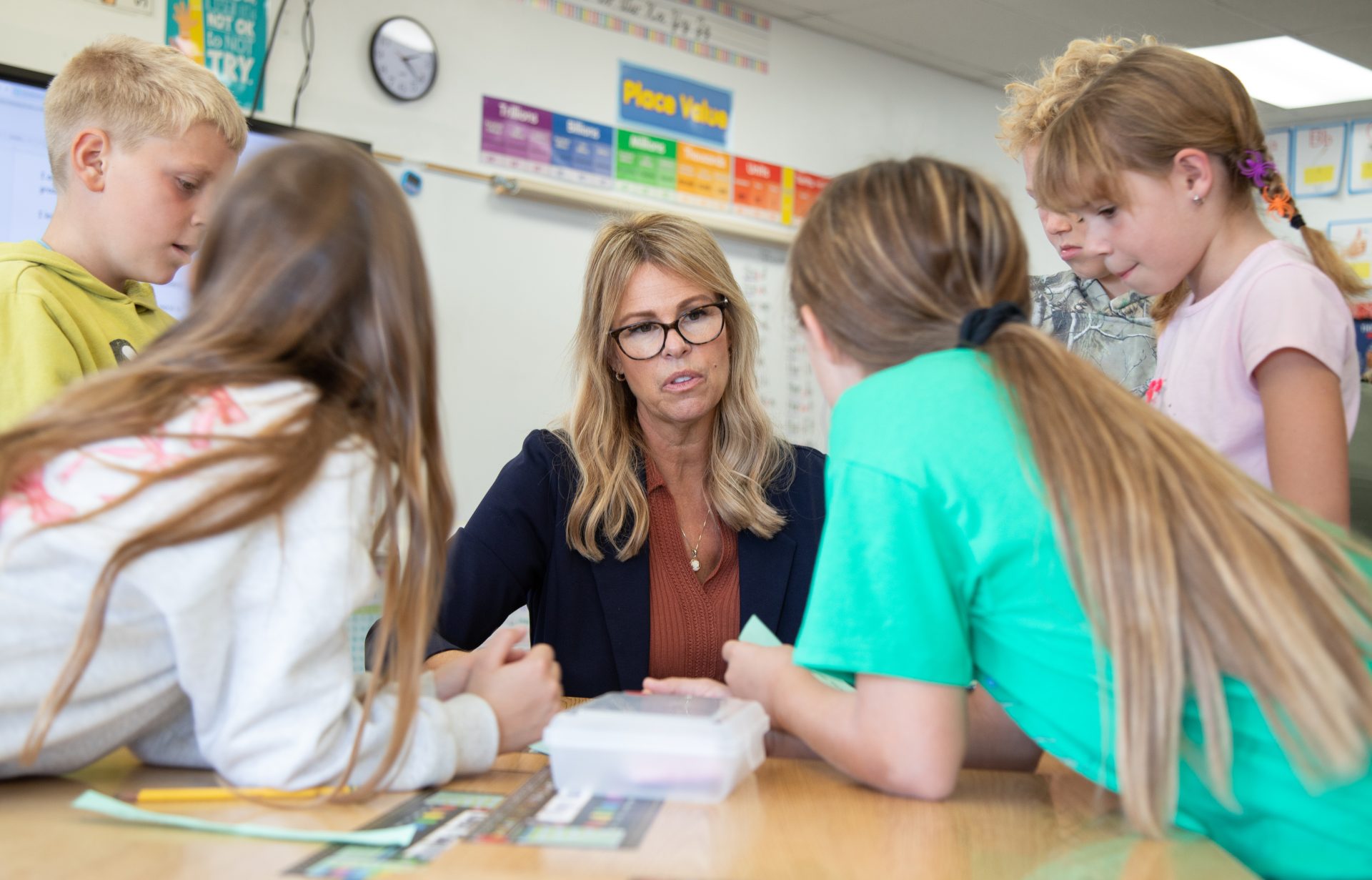
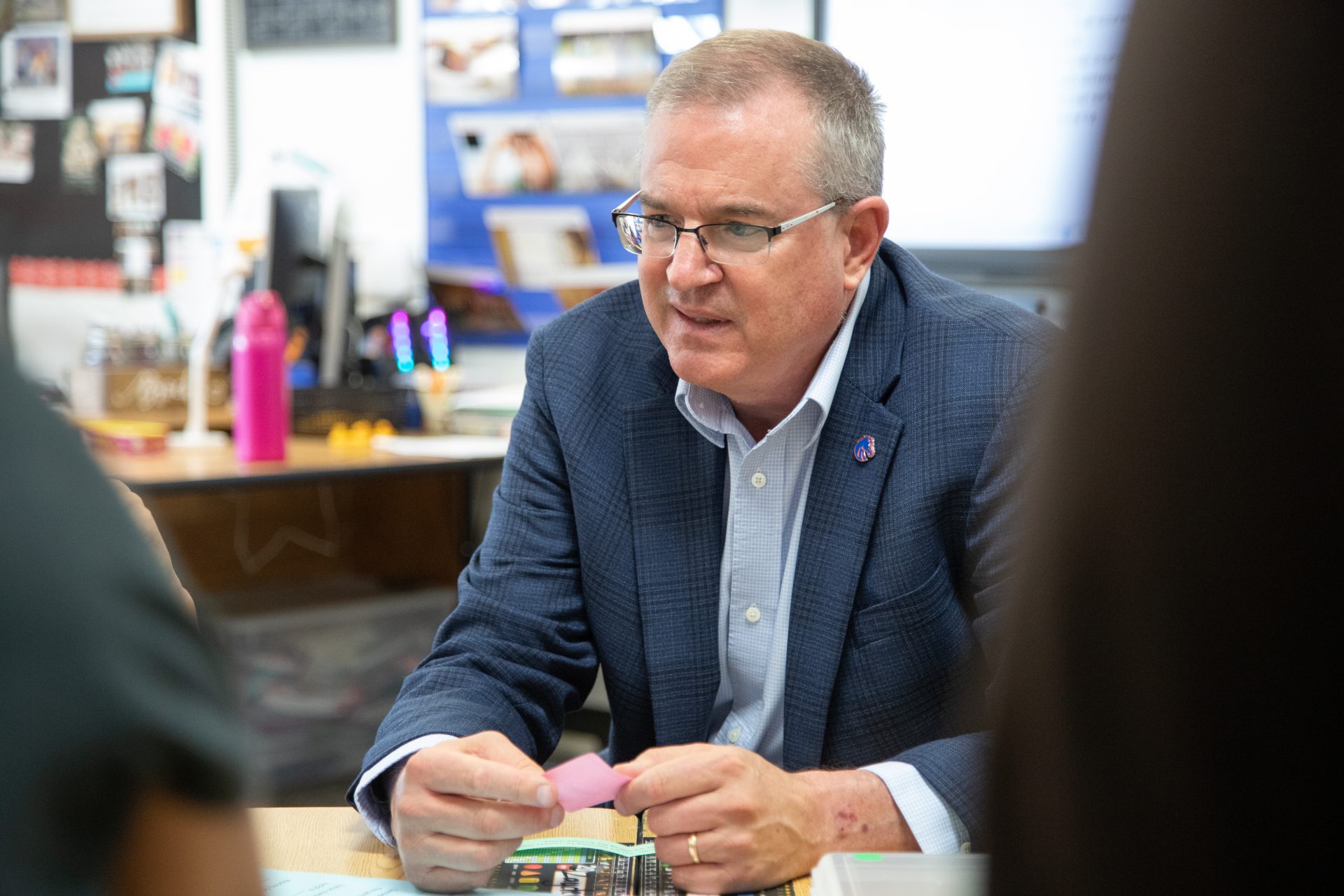
Critchfield and Boise State University President David Hahn on Monday visited Parma to learn about Project TRAIL, which stands for Teacher Residency, Academy for Induction, and Leadership.
It’s a collaboration between the university and nine school districts — including Parma, Nampa, Caldwell, Notus and Weiser — to prepare new teachers, including “career changers” who have felt a calling to become educators. The BSU College of Education and Public Service recently received the $8 million grant to support the program.
“It’s a fantastic example of collaboration and one that we couldn’t be more excited about at Boise State,” Hahn said.
A large portion of the grant will provide a $32,000 salary for 75 pre-service teachers during their year of internship and student teaching, according to Hannah Carter, an associate professor in the College of Education who helped apply for the grant.
Traditionally, that is not a paid opportunity.
“It’ll just give more people an opportunity to come and be a teacher who wouldn’t have otherwise been able to because of financial burdens,” Carter told EdNews.
After that year, teachers must agree to work for three years in the partnering districts, said Sherry Dismuke, associate dean for educator preparation and undergraduate studies at Boise State.
The university will provide “intensive support” during those three years to help them stay in the profession for the long haul.
“We hope to retain them in these rural spaces where they continue to give back to their communities for years to come,” Dismuke said.
Parma Superintendent Micah Doramus said he’s excited about the extra support, not just for pre-service teachers but for his staff.
He told Critchfield and Hahn during a listening session that it often ends up being the same group of teachers that take on more work, like being a mentor.
“It is a big ask for our teachers,” Doramus said of mentors. “Currently, we’re only able to reimburse them a very nominal amount, a couple hundred dollars and some professional development time.”
The grant includes funding for stipends and training for those mentors. Doramus said it will help invest back in those veteran educators and show them that they are valued.
“Boise State is providing that professional development for us,” Doramus said.
For Kelsey Williams, superintendent of the Canyon-Owyhee School Service Agency, or COSSA, additional support for new teachers can make or break the longevity of their careers.
She said districts often hire people through non-traditional routes. The partnership with BSU will provide those folks with a helping hand to take them through the transition of becoming a teacher.
“They need that support,” Williams said. “They need that guidance, and I feel like that’s going to be that safety net that we can get for those teachers to make sure that they make it past a year, two years, three years.”
Receiving the competitive $8 million federal grant, Critchfield said, speaks to Idaho’s ability to get things done. She said supporting new teachers is a priority that both she and Hahn, who was hired in July, share.
“One of the very first things after President Hahn was officially hired by the board, if you’ll recall, I was like, ‘All right, let’s talk teacher college,'” Critchfield said.