
Ten Idaho school districts had already applied for money to create behavioral health “hubs” for students and families.
But on Friday, lawmakers slammed the brakes on those applications and the $1.2 million program.
The Rural Health Transformation Committee put the behavioral health hubs on hold — at least until the 2027 legislative session, which begins in January. Committee members said the hub proposal represents a policy change and lawmakers should have the chance to vote on it.
The $1.2 million is a small part of Idaho’s $186 million rural health bank account — Phase One of a five-year, federally funded grant program. But Friday’s committee discussion underscores a bigger debate over the funds. The Department of Health and Welfare is racing to commit the $186 million by the feds’ Oct. 30 deadline. But legislators have wanted oversight over the spending — creating the eight-member House-Senate rural health committee for that purpose.
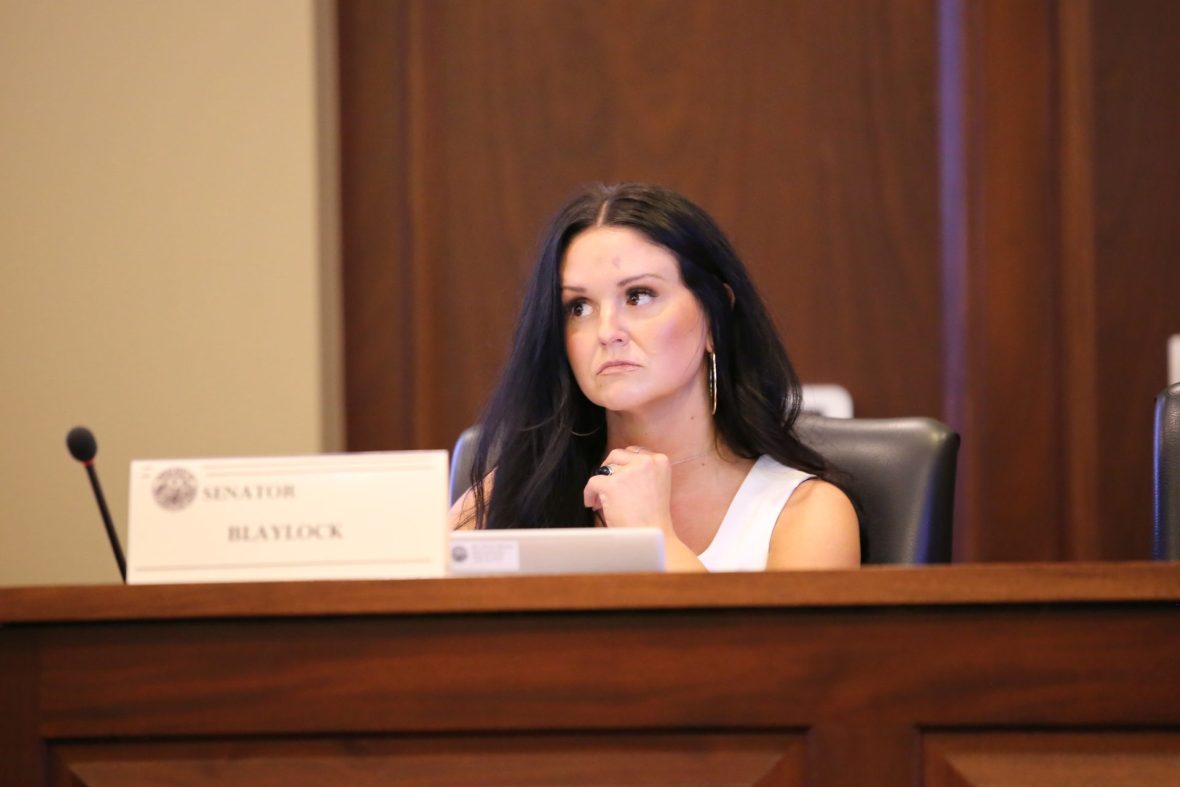
“This belongs in policy,” Sen. Camille Blaylock, R-Caldwell, said of the behavioral health plan. “I just worry that we are overstepping … just because we have this funding opportunity.”
The behavioral health hubs — designed to allow families to access in-person or telehealth support — are not a new idea. In 2024, a similar proposal passed the House but stalled in the Senate. And for Blaylock and Rep. Josh Tanner, R-Eagle, that was part of their concern; the $1.2 million line item could create a program lawmakers rejected.
The sponsor of the 2024 bill, Rep. Dori Healey, also sits on the rural healthcare committee. The Boise Republican noted that her bill ran into resistance from lawmakers who wondered how the state would pay for the hubs. She added that the hubs would simply create the spaces for behavioral health services; it would be up to parents to decide whether to sign up.

On-site support would help students get the help they need, and minimize the hit on attendance rates. “I think we need to figure out a way to support this as best we can,” Healey said.
In the end, however, Healey voted to shift the $1.2 million to other healthcare programs, putting the behavioral health hubs on hold until the second year of grants. Sen. Mark Harris, R-Soda Springs, cast the only vote against the shift.
But before voting for the delay, Healey said the committee needs to recognize that in-school healthcare programs are a reality. “I want to make sure the schools aren’t overlooked.”
The behavioral health hub money had not gone out to schools. Idaho has spent only a fraction of its $186 million grant so far. Health and Welfare will be scrambling to commit the balance of the money by Oct. 30, agency Director Juliet Charron told the committee. “It’s going to be a big push in that last week of October.”
One of the line items in progress has an education component: an $8 million agreement with the State Board of Education to expand residencies for medical school graduates.
Hitting the Oct. 30 deadline is crucial because of the competitive nature of the five-year federal grants. States that hit their milestones could receive more money in the future, at the expense of states that struggle.
Idaho probably won’t receive its Year Two grant until November or early December. “(It’s) to be seen where we fall,” Charron said.