
John Stegner said he was raised to believe that when something isn’t working, you step up and fix it.
The former Idaho Supreme Court justice said he is running for governor as an independent after spending his career making decisions based on the Constitution, not on the expectations of a political party.
“We have become so divided by political labels that we’ve started forgetting about the people,” he said. “I think Idahoans are looking for leaders over labels.”
Stegner officially launched his campaign Thursday night during an hour-long Zoom call with about 140 viewers from around the state. He shared how he is different from Gov. Brad Little but was vague in some responses during a Q&A.
He criticized Little for signing off on the $50 million Parental Choice Tax Credit after receiving letters from Idahoans urging him to veto House Bill 93.
“I want to try to do what the people want to do,” Stegner said. “I’m a believer in democracy.”
He criticized the Legislature for reducing taxes, cutting spending and creating the private school tax credit program. In a tight budget year, he said he would have preferred dipping into the fund balance.
“I think the rainy-day fund would have been a great mechanism to avoid cutting,” he said.

Stegner repeatedly mentioned Idaho’s constitutional duty to fund a general, uniform, thorough public school system — and said the state isn’t doing that right now. The Idaho Republican Party’s new platform plank calling for the abolition of all property taxes, he said, should be a non-starter for the damage it would do to schools.
“We have a solemn obligation to fund our public schools, and if you want to take $410 million away and not replace it with something else, I think you’re not fulfilling your obligation to uphold the Constitution of Idaho,” he said.
In response to a question about how to improve the “dire” education system in Idaho, Stegner said he would like to have smaller classrooms.
“We are now 51st in the country as far as our per capita expenditure for our students in the public school system,” he said. “I find that embarrassing, frankly. I’m tired of being last in the country, as far as our devotion to our constitutional obligation to educate students.”
But Stegner offered scant specifics in some of his responses.
When asked how his platform differs from Democratic candidate Terri Pickens’, Stegner didn’t mention any policy differences.
“One of the reasons I’m running as an independent is I think that’s a way to run a competitive race in this state, and that’s one of the ways in which I am distinct from her,” Stegner said. “That’s, I think, the answer to that question.”
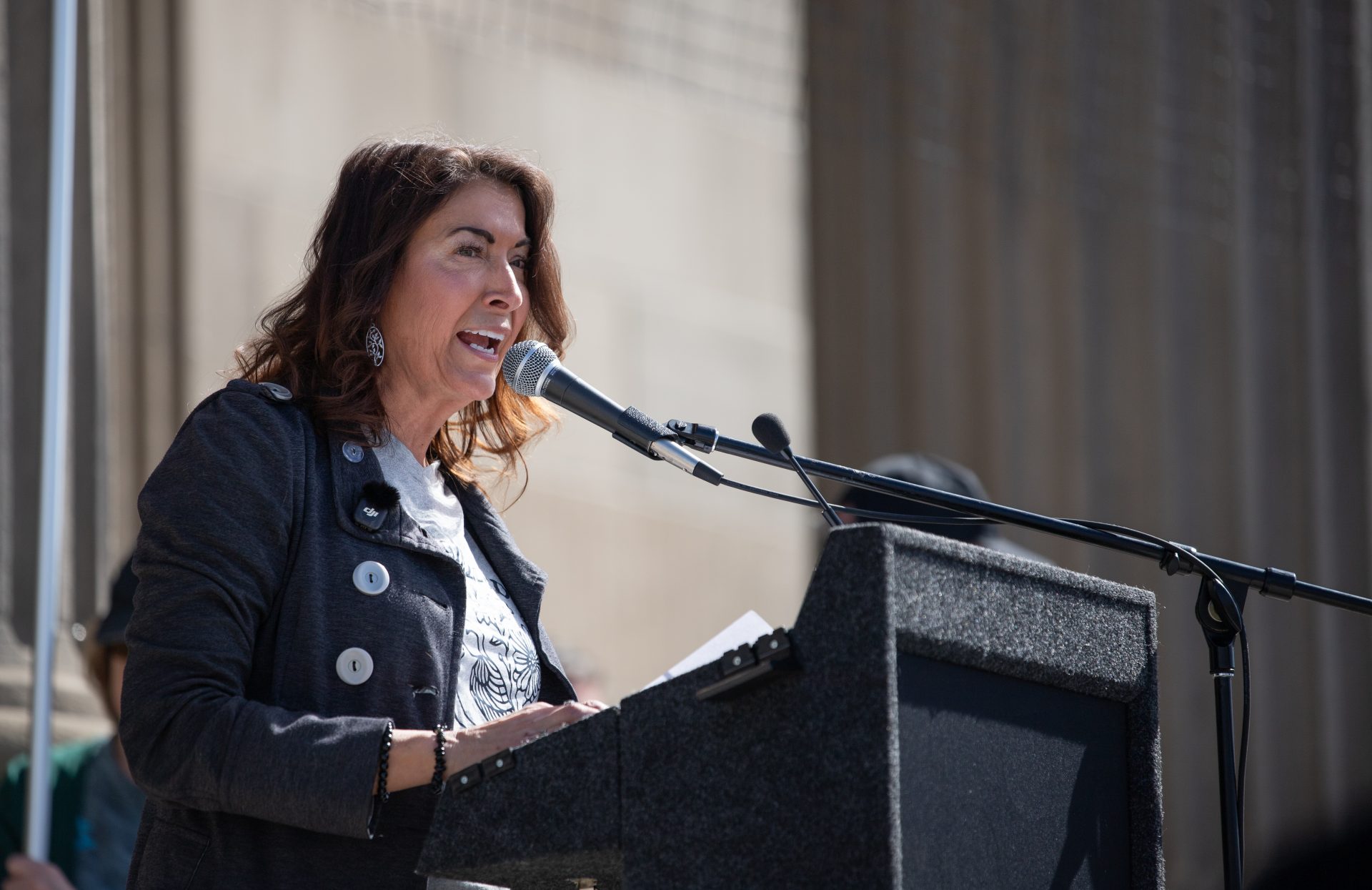
In response to a question about how his candidacy could split the vote, leading to Little’s re-election, Stegner said his responsibility is not to tell voters who to support, but to earn that support.
“I’m building the strongest campaign I can,” he said. “We have what I think is a very strong and viable team on board right now, and we’re in it to win it.”
On lowering taxes on food and repealing the grocery tax, Stegner did not state his position.
“I know that that’s come up a number of times. I know that it’s never gone anywhere. I think it’s regressive to tax food, but I don’t know that there are the votes available to undo the tax on food right now,” he said.
When asked about his position on LGBTQ rights and the recent law on transgender bathroom use, Stegner said he doesn’t want to go back to “the ways that we used to operate,” without specifically stating a position on the bathroom issue. He has a gay nephew and said it is disconcerting to see challenges to marriage equality gaining ground.
“We don’t want to turn the times back to what they used to be,” he said.
Stegner was open about his thoughts on the Legislature’s culture wars. He said lawmakers are crafting solutions in search of problems.
“I think one of the things that a governor can do is employ the bully pulpit and tell the Legislature to worry about things that matter to people, as opposed to those that are seeking to create, as I said, solutions in search of problems,” he said.
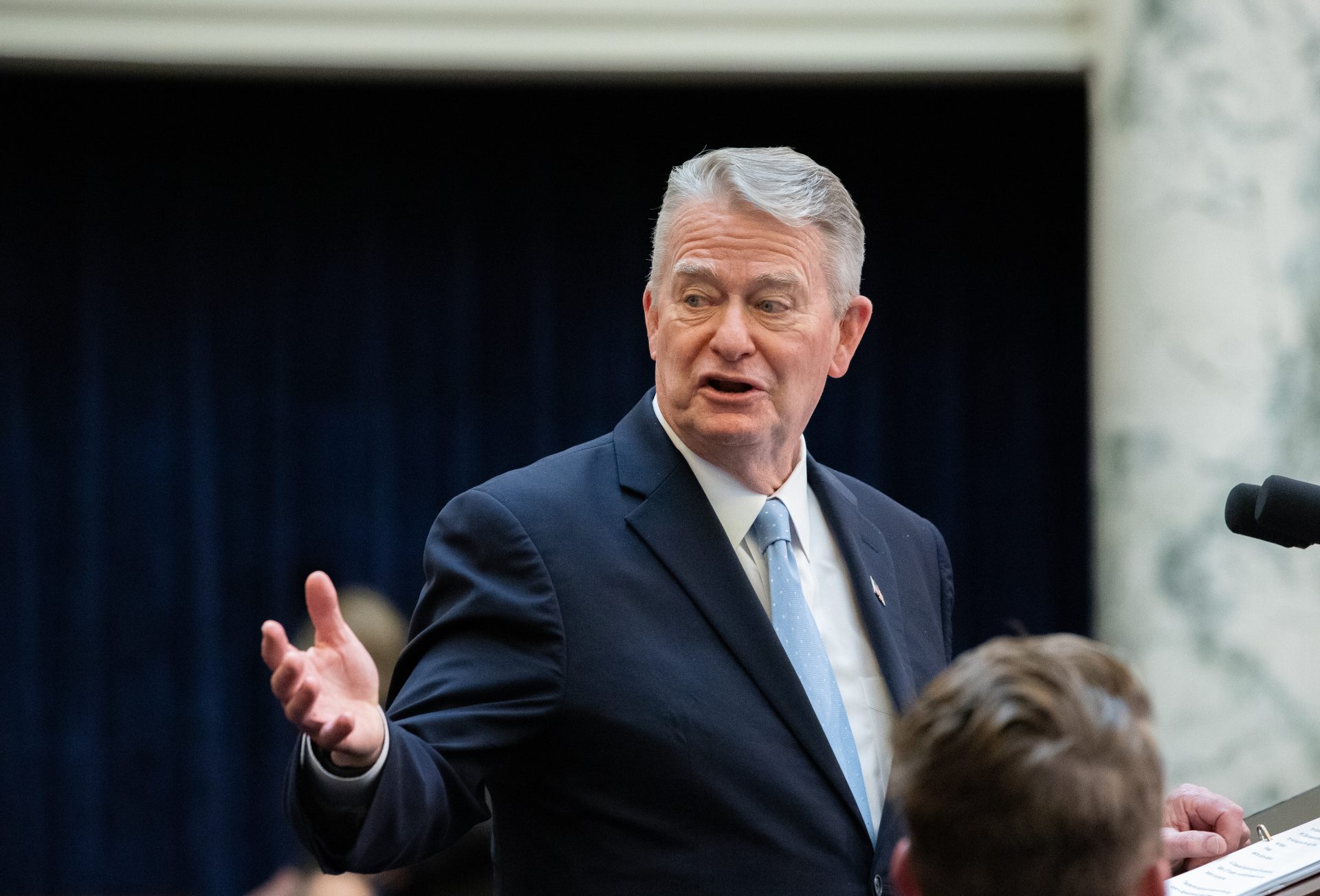
Stegner and Little are both 72.
One participant asked how Stegner will avoid burning out over the next four months of campaigning across the state. Stegner said he is an “inveterate runner” and ran 1,200 miles last year.
“That’s how I maintain my stamina, and that’s what I’ll continue to do,” he said.
Fundraising
Stegner has raised $393,000 as of Friday morning, compared with Little’s $2.1 million.
Pickens, the Democrat, is far behind both with $142,000 in donations. Nearly all of that money comes from individuals who live in Idaho.
Stegner similarly is mostly funded through individuals, but about 37% of campaign contributors live out of state.
Little’s campaign, on the other hand, is mostly funded through corporate donors, such as Idaho Power, the Idaho Bankers Association and the Idaho Association of Realtors.
The general election is Nov. 3. Visit VoteIdaho.gov for voter information.