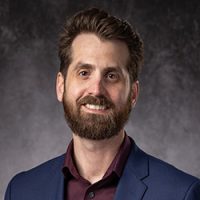
In Benewah County, the only thing worse than state officials coming to town is if the feds show up, Secretary of State Phil McGrane said Tuesday.
The rural panhandle county was one of eight selected for a random post-election audit. Staff from McGrane’s office headed north earlier this month to canvas results and examine the county’s practices.
Benewah is one of three counties that hand counts all ballots, and it was the last of all 44 counties to report results, which was completed around noon the day after the election. During the audit, McGrane’s staff found out why.
“Needless to say, there are numerous things we identified,” he said.
Benewah has a unique system.
Instead of receiving one consolidated ballot, voters could receive up to five different sheets of colored paper ballots for the various candidates and questions. One precinct had 700 voters so poll workers, after assisting voters all day, had to hand count up to five sheets for each of those voters.
The poll workers then hand tallied results into notebooks that the county workers created themselves, which McGrane said is “certainly not best practice.”
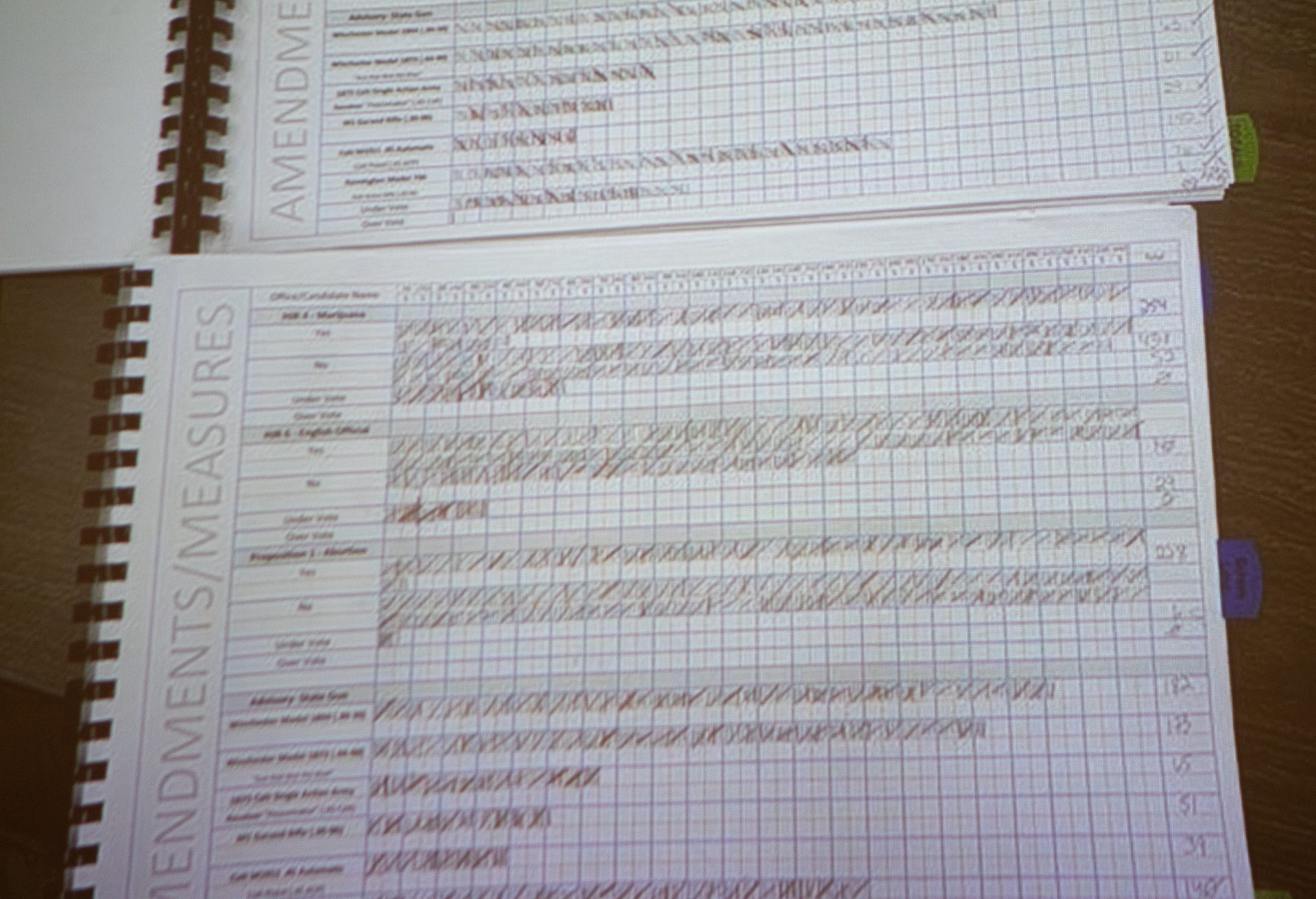
“Ours are developed based on national standards,” McGrane said of the tally notebooks.
Then, after auditing the results, state workers found none of the numbers matched up.
The number of ballots reported, the number of ballots audited and the number of voters were all different. In addition to having a unique system as a county, the audit team found “inconsistencies” between each precinct.
McGrane said the audit highlights the challenges of hand counting. This year’s long ballot with multiple races and voter initiatives was a stress test for Benewah’s election system — and a chance to make improvements.
“We’re going to be taking the overt step of going back and working with them on some of their practices, and … looking at are there other ways because there is a point where this just becomes too complicated,” McGrane said.
While local officials in Saint Maries were at first hesitant to deal with state employees coming in from Boise, McGrane said they eventually saw an opportunity for help.
“They welcome it,” he said.
The report on Benewah County on Tuesday was part of a State Board of Canvassers meeting.
McGrane, along with State Controller Brandon Woolf and State Treasurer Julie Ellsworth, certified the Nov. 3 general election, finalizing the results of all local, state and federal races in Idaho.
The results are now official.

McGrane broke down some numbers from the general election:
- 600 candidates were on the ballot
- 734,000 Idahoans voted
- 5,000 poll workers assisted
- 66% of registered voters turned out
- Teton County had the highest turn out, at 73%
- No races were close enough for a free recount
- The last vote cast was in Canyon County at 12:20 a.m.
The secretary also discussed two counties that reported irregularities in their results: Latah and Bannock.
In Latah, county officials found a discrepancy between the number of people reported and the number of votes. A drive from an early voting machine had not been uploaded, which meant 2,300 ballots were not included in the initial results reported to the state.
“This drive had moved from one side to the other and didn’t actually get uploaded in the process,” McGrane said. “So it was human error.”
Since multiple races in Latah were within a couple hundred votes, state workers conducted a complete machine recount.
“Will be working with Latah on training, and a lot of lessons learned,” McGrane said.
While the Latah recount was underway, McGrane said his office received a call from Bannock County. The clerk had identified 333 uncounted ballots.
As the county was going through its post-election process of identifying supplies and equipment, they found a ballot box was missing. Luckily, it still had the official seal with the correct serial number, to ensure the votes were not tampered with.
“I will say there were safeguards in place, some of which — for lack of better — had been ignored on election day,” McGrane said. “They are now aware.”
The state did not conduct a full recount in Bannock because there weren’t any close races.
With the election wrapped up, McGrane said he is gearing up for the state elections conference in early January. All of the county clerks will come together to share what they have learned.
“When we’re sharing this information, we share it with all the counties as an opportunity to learn from these situations so that they don’t happen again,” he said.