
The College of Western Idaho is ramping up its mechatronics program to help meet soaring demand for semiconductor workers — a key piece of Idaho’s role in a national push to expand domestic chip manufacturing.
But even as enrollment surges and Boise-based Micron Technology invests heavily in workforce training, the state faces a steep challenge: finding enough technicians to staff facilities coming online as the industry grows.
Micron, a memory manufacturing powerhouse, will need about 200 technicians for its new Boise fabrication facilities set to open in 2027. In partnership with the College of Western Idaho, Micron has produced around 50 technicians through a two-year apprenticeship program.
As CWI goes all in with Micron, the semiconductor giant needs more technicians as opening day draws near. And statewide demand extends beyond a single employer. The Idaho Department of Labor predicts that companies will need 138 technicians per year, a figure that includes both new jobs and turnover.
CWI’s mechatronics program has scaled up quickly to meet the need. Enrollment has grown from 16 students per semester in 2022 to about 40 in 2026.
The Micron Registered Apprenticeship Program is a roughly two-year technical apprenticeship for some students in CWI’s Mechatronics pathway. Students learn the basics in their CWI mechatronics classes, then go to Micron for more hands-on training.
Micron pays the apprentices. When they graduate, the company hires them full-time as technicians in fabrication facilities.
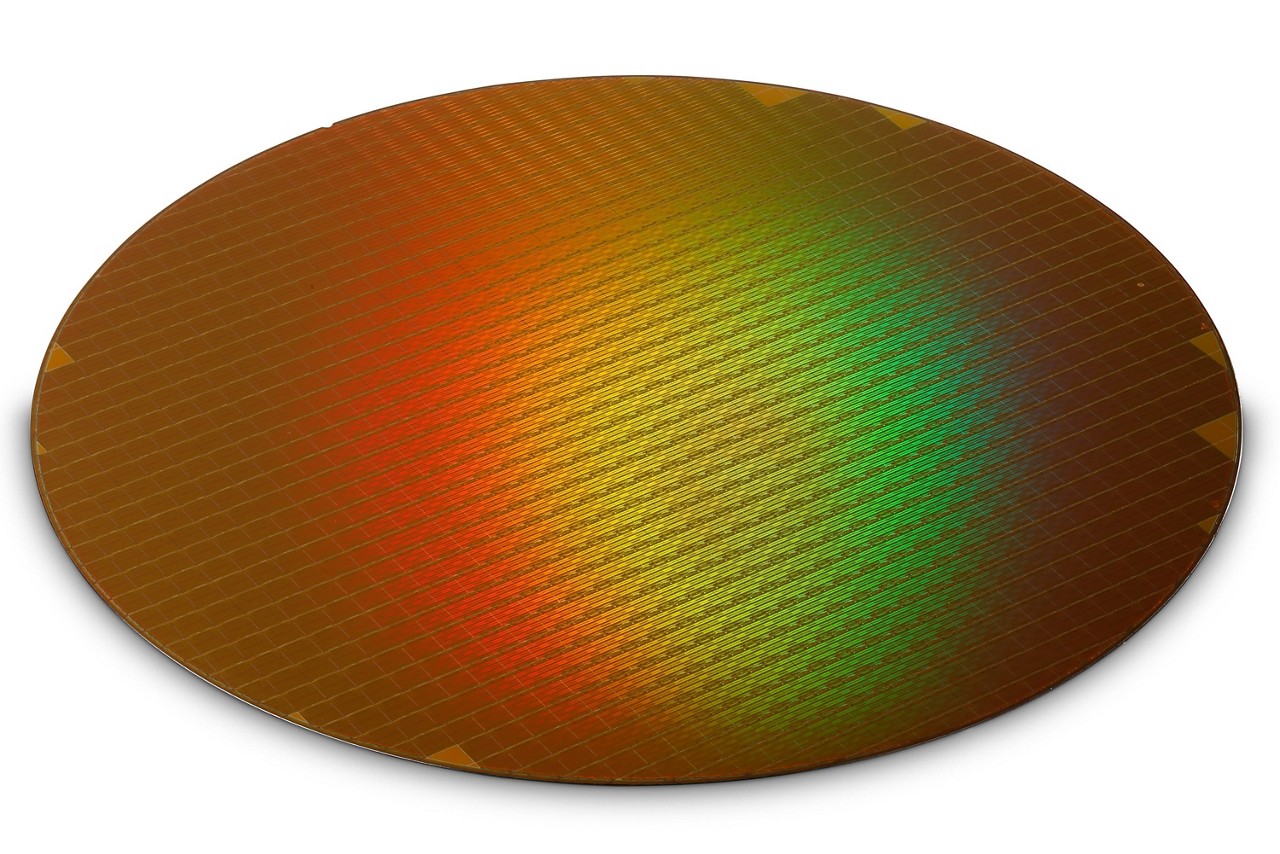
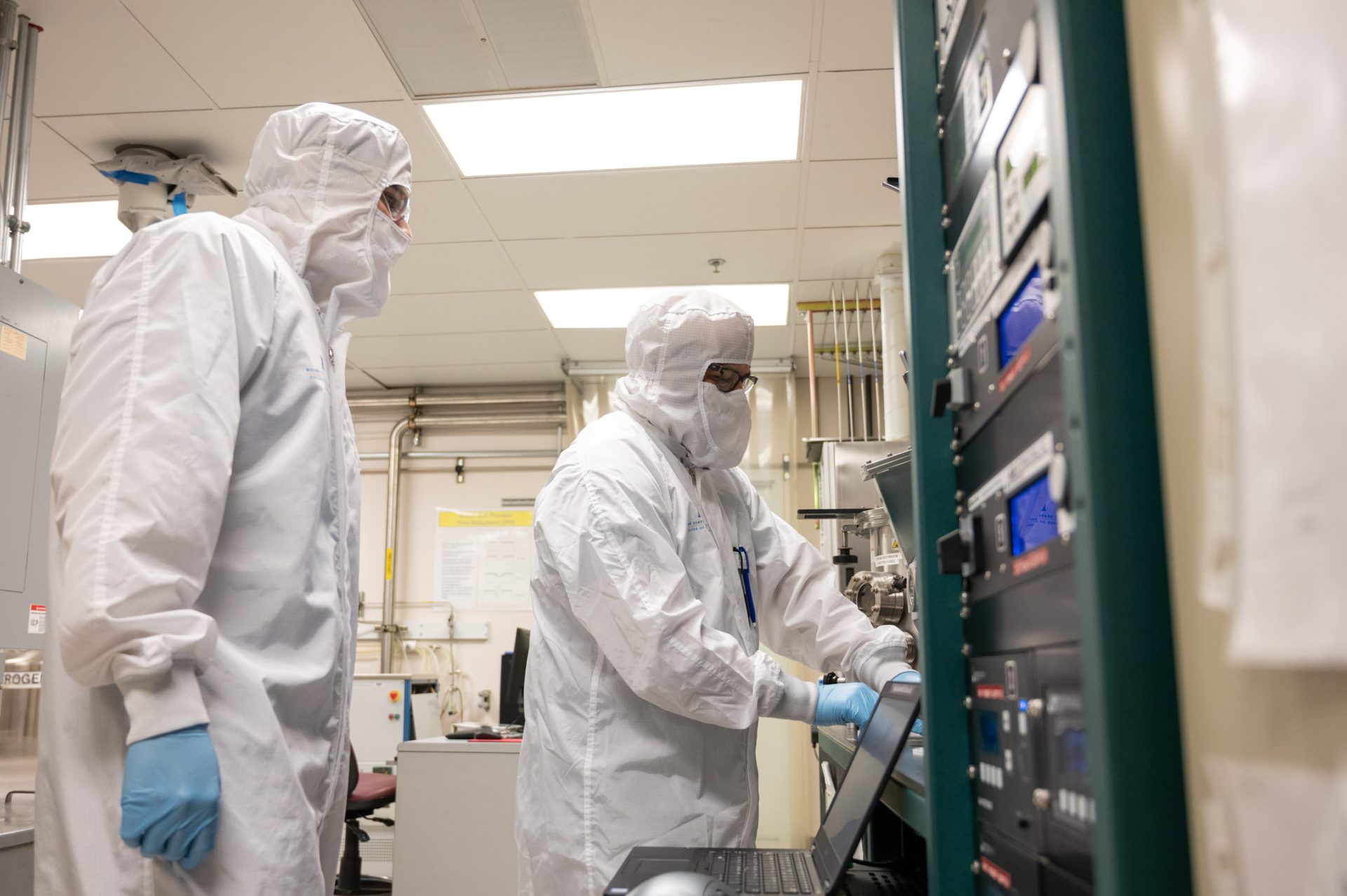
Technicians work with engineers to do the complex tasks of semiconductor fabrication. They work in cleanrooms, wearing coverall garments, and regulate their movement and noise to avoid disturbing dust. They move silicon wafers, big plates that eventually turn into batches of microchips, and other parts of the highly-advanced machines used to etch circuits onto the silicon chips.
Despite demand, attracting students remains a challenge. A Boise School District mechatronics program closed last year after years of declining enrollment, underscoring the difficulty of building a pipeline early.
Still, for students like Luke Lindsay, the mechatronics pathway is straightforward. “I get to build stuff. It’s pretty fun,” said Lindsay, a CWI sophomore who hopes to work at Micron.
Micron is not the first company racing to staff enormous facilities to expand U.S.-based chip production. In Arizona, Taiwan Semiconductor is also building a massive facility. But the world’s leading chip manufacturer has struggled to hire American workers, forcing the company to bring workers from Taiwan to meet deadlines.
Micron is also broadening recruiting efforts, including outreach to veterans and others with experience in technical or control environments.
The company, which started in the basement of a Boise dentist’s office 47 years ago, is investing some $50 billion in its Boise campus, as the BoiseDev reported last year
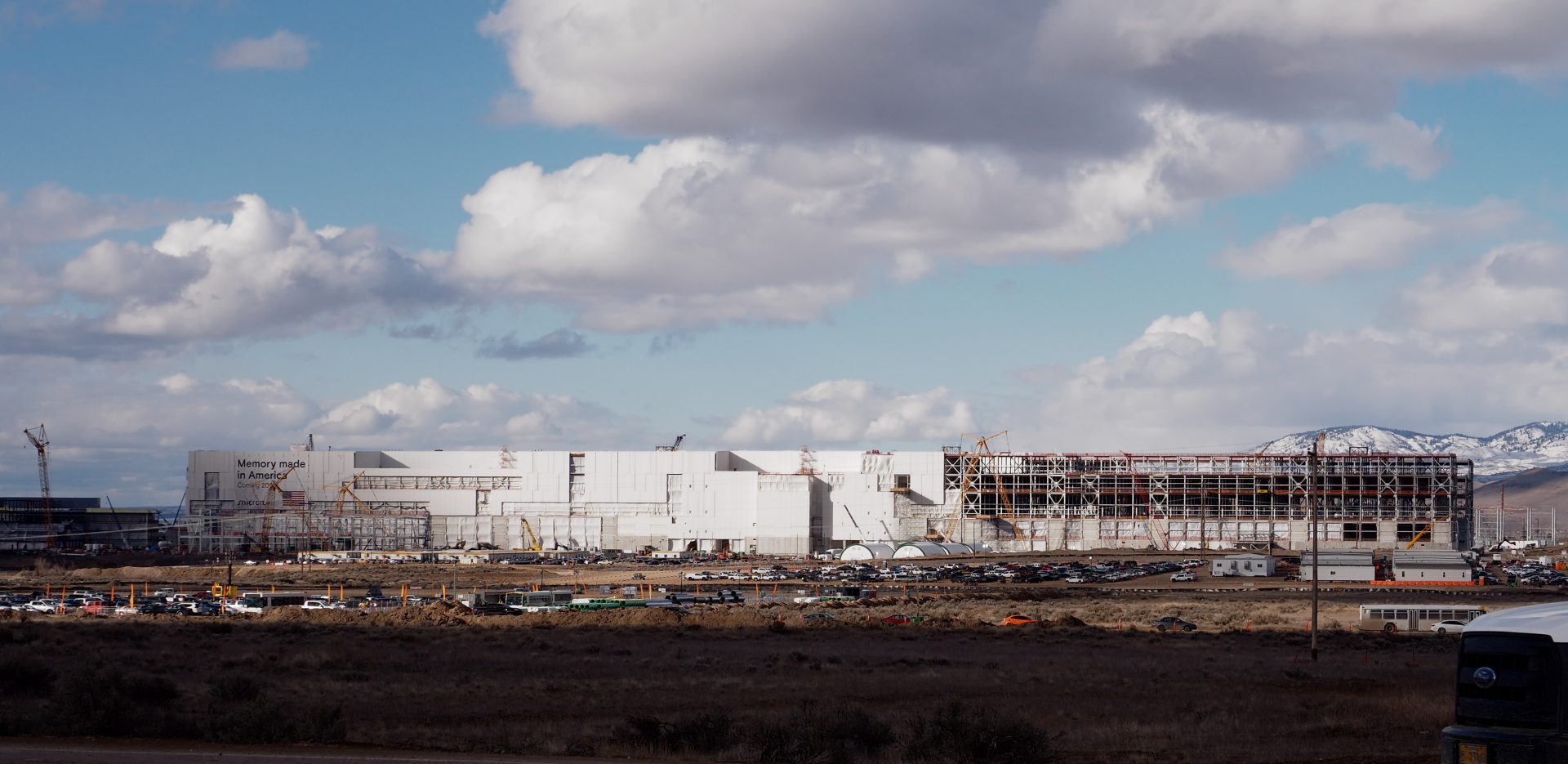
In Boise, thousands of contractors are erecting two hulking fabrication facilities where hundreds of technicians and engineers will operate state-of-the-art machines to produce memory chips.
Most of the jobs are for technicians — positions that typically require a two-year degree rather than a four-year engineering degree — making programs like CWI’s central to workforce efforts.
“One of the big things that we’re focusing on is … making sure that folks know who we are and what the opportunities are,” Micron Senior Director of Culture and Workforce Strategies Shijuade Kadree told Ed News.
The workforce push in Idaho reflects a broader national effort to expand semiconductor manufacturing. Projections suggest the global semiconductor industry will exceed $1 trillion by 2030. Growth in the U.S. is largely driven by government investment and artificial intelligence.
Micron received $6.2 billion from the Creating Helpful Incentives to Produce Semiconductors (CHIPS) and Science Act during the Biden administration. In 2025, Micron announced it was leaving the consumer market and shipped its last consumer-brand memory in February, according to a press release.
Now, data centers make up the bulk of Micron’s business. In nearby Kuna, multiple data centers, including one operated by Facebook’s parent company Meta, are under construction.
As artificial intelligence becomes more integrated into everyday work and life, demand for data centers is surging. Kadree said the number of workers needed for the fabs could change as demand has increased.

The Idaho Department of Labor counted 90 companies in the semiconductor and electrical component manufacturing industry in 2024 — many cropping up as infrastructure around Micron.
“That gives you a sense of the amount of hiring,” Department of Labor economist Samuel Wolkenhauer told EdNews. Hiring is not just new jobs, Wolkenhauer said. “There’s always turnover and flow and people making career changes. I think people are sometimes surprised. The amount of hiring activity is much higher than just the job growth.”
The growth isn’t all about Micron, either: Idaho has seen growth in semiconductor occupations going back years, independent of announcements by any one company, Wolkenhauer said. The CWI-Micron partnership aims to meet such high demand.
“Having an education is a key component to a semiconductor career,” said Gina Robison, executive director of the Idaho Manufacturing Alliance, which helped Micron and CWI create the apprenticeship. “It’s not like you can just walk onto the factory floor and start manufacturing parts of a wafer.”