The presence of a safe, caring adult is the No. 1 protective factor that can help kids overcome mental health issues, but a licensed social worker said the Legislature is putting up barriers and increasing risk for youth in Idaho.
Five panelists spoke Tuesday at a panel discussion on youth mental health hosted by City Club of Boise. The lunch event was titled, “Are the Kids OK?”
“Kids are struggling, for sure, and so I’m going to say they are not OK right now,” panelist Janelle Stauffer, a therapist and social worker with The Resiliency Center of Idaho, told EdNews after the event.
She is especially worried about youth who experience discrimination. She told the crowd at the Idaho State Museum that LGBTQ+ youth are four times more likely to attempt suicide, and youth of color are accessing healthcare at a lower rate than everyone else.
“Part of the reason is representation,” Stauffer said. “It’s hard to find a provider that looks like them or shares their cultural values.”
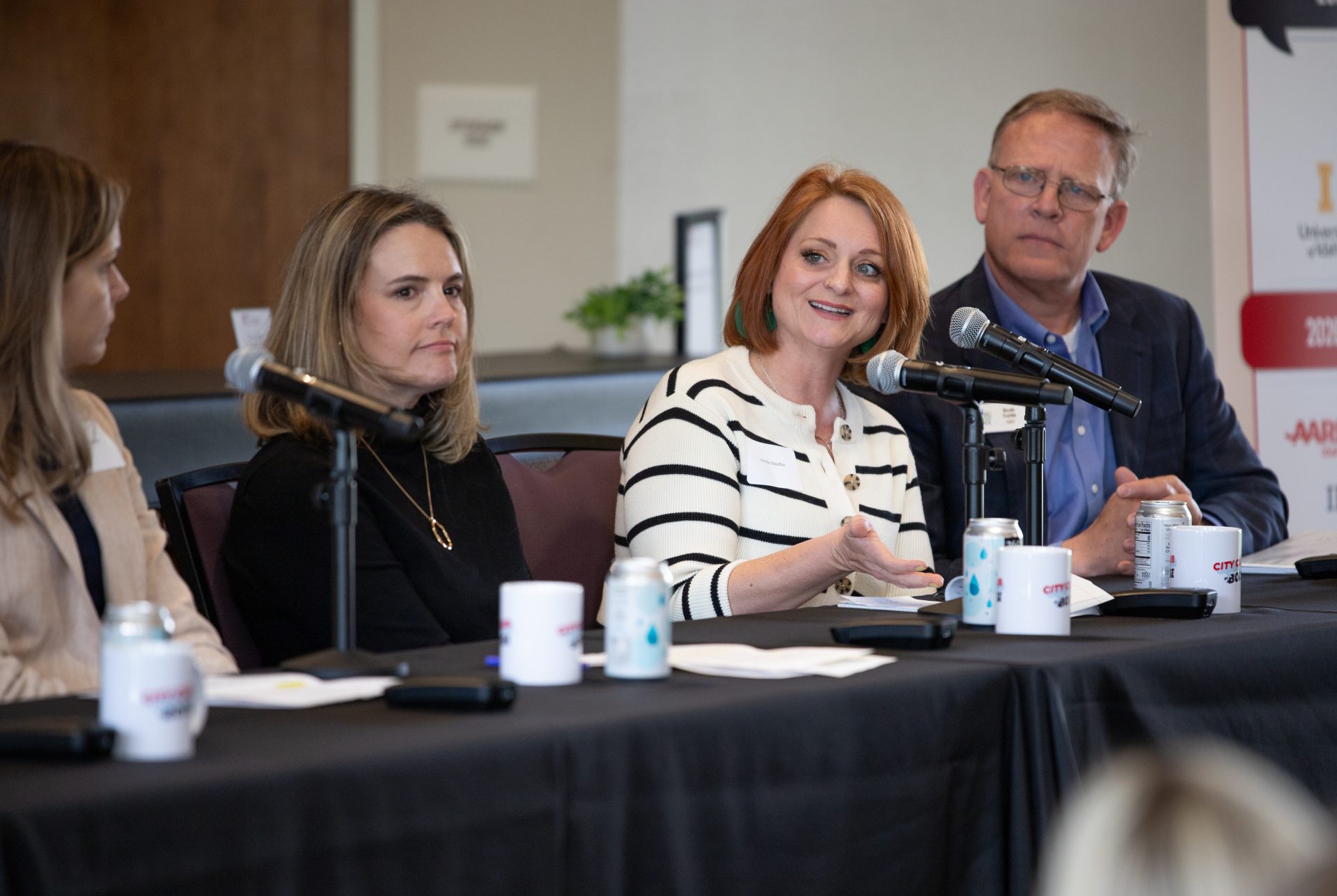
When asked if state lawmakers are helping or hurting, Stauffer told EdNews that the Legislature is causing harm. She specifically mentioned House Bill 822, called the “Pediatric Secretive Transitions Parental Rights Act.”
The bill — which passed mostly on a party line vote, with Rep. Jack Nelsen, R-Jerome, joining Democrats in opposition — requires healthcare providers and schools to notify parents if a student expresses interest in a “sex transition procedure” or a “social transition,” such as using a different name or pronoun.
“This has been the topic of therapy sessions for many, many weeks now,” Stauffer said.
Exploration is a very normal part of adolescent development, she said, and placing barriers in the way of reaching out to trusted adults decreases protective factors and increases risk for youth.
She said research shows that when youth feel rejected, isolated or are not accepted for who they are, they are more likely to attempt suicide. But there is hope.
“With just the right support, they are going to figure this out,” Stauffer told EdNews.
That support starts with the community, said panelist Megan Smith, a public health professor at Boise State University.
Smith said adults need to take responsibility and tackle the environment fueling youth mental challenges. Data can help inform communities about the factors that precede mental health issues and substance abuse, she said. With that understanding, local communities can create sustainable change.
“We can create communities that are just better for kids,” Smith said. “So we don’t have to keep being in crisis. So we don’t have to keep bailing ourselves out.”
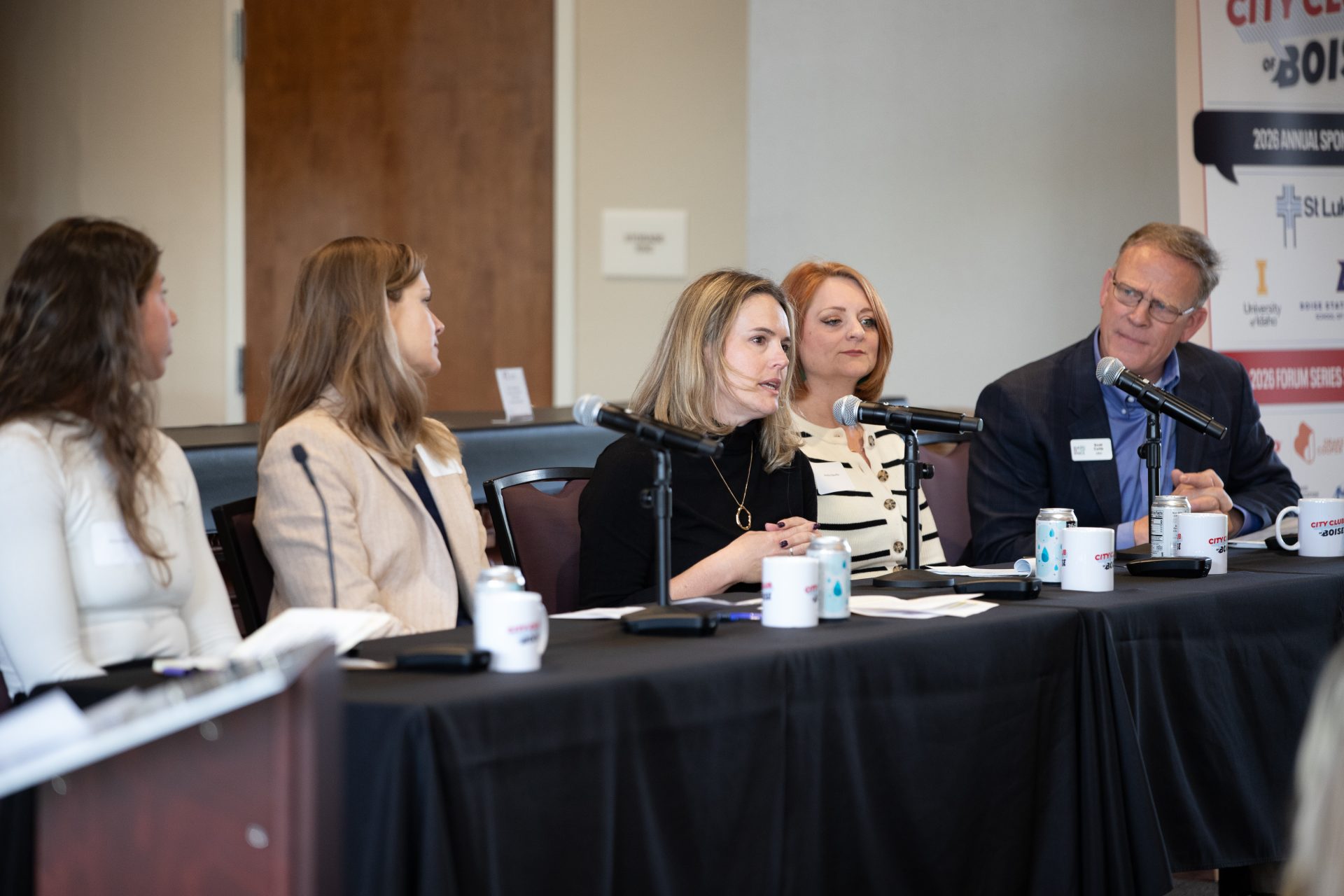
Another panelist, Juliet Charron, the director of the Idaho Department of Health and Welfare, spoke about what the state can do to help youth.
She said Idaho is in dire need of licensed clinical behavioral health professionals and pediatric psychiatrists. Another area of need is supporting youth who have intellectual and developmental disabilities.
“Those are some things that we’re working on at the department,” Charron said.
She suggested the state should strengthen the pipeline of mental health professionals and support graduate medical education programs focused on psychiatry. The state should also continue to fund behavioral health services for youth and adults.
The Idaho Capital Sun and The New York Times recently reported on multiple deaths that occurred after the state cut off funding for a mobile mental health treatment program.
“I think everyone is well aware of some of the challenging conversations … this recent legislative session around funding for behavioral health services,” Charron said.
In their closing remarks, the panelists shared what each person in the room could do to help the youth.
Charron said work remains on normalizing mental health discussions and that mental health and physical health should be treated the same.
Smith told the crowd they should prioritize connections with young people.
Stauffer said we should stop being corrective and instead be curious. “Instead of saying, ‘What’s wrong with this kid?’ let your first question be, ‘What’s happening in this community that needs to be changed to support this kid?’.”