Idaho students will soon be able to apply for federal Pell Grants covering workforce training programs in high-demand career fields.
Pell Grants are longstanding federal subsidies helping poor students obtain undergraduate college degrees. The Trump administration is expanding Pell Grant eligibility to include short-term certificate programs that run between eight and 14 weeks. The expansion was part of President Donald Trump’s One Big Beautiful Bill Act, which Congress passed last year.
Newly eligible programs will have to meet time and length requirements, completion percentages and employment metrics, while proving that “they deliver a real return on investment,” said a news release this week from the U.S. Department of Education. The “Workforce Pell” is scheduled to become available July 1.
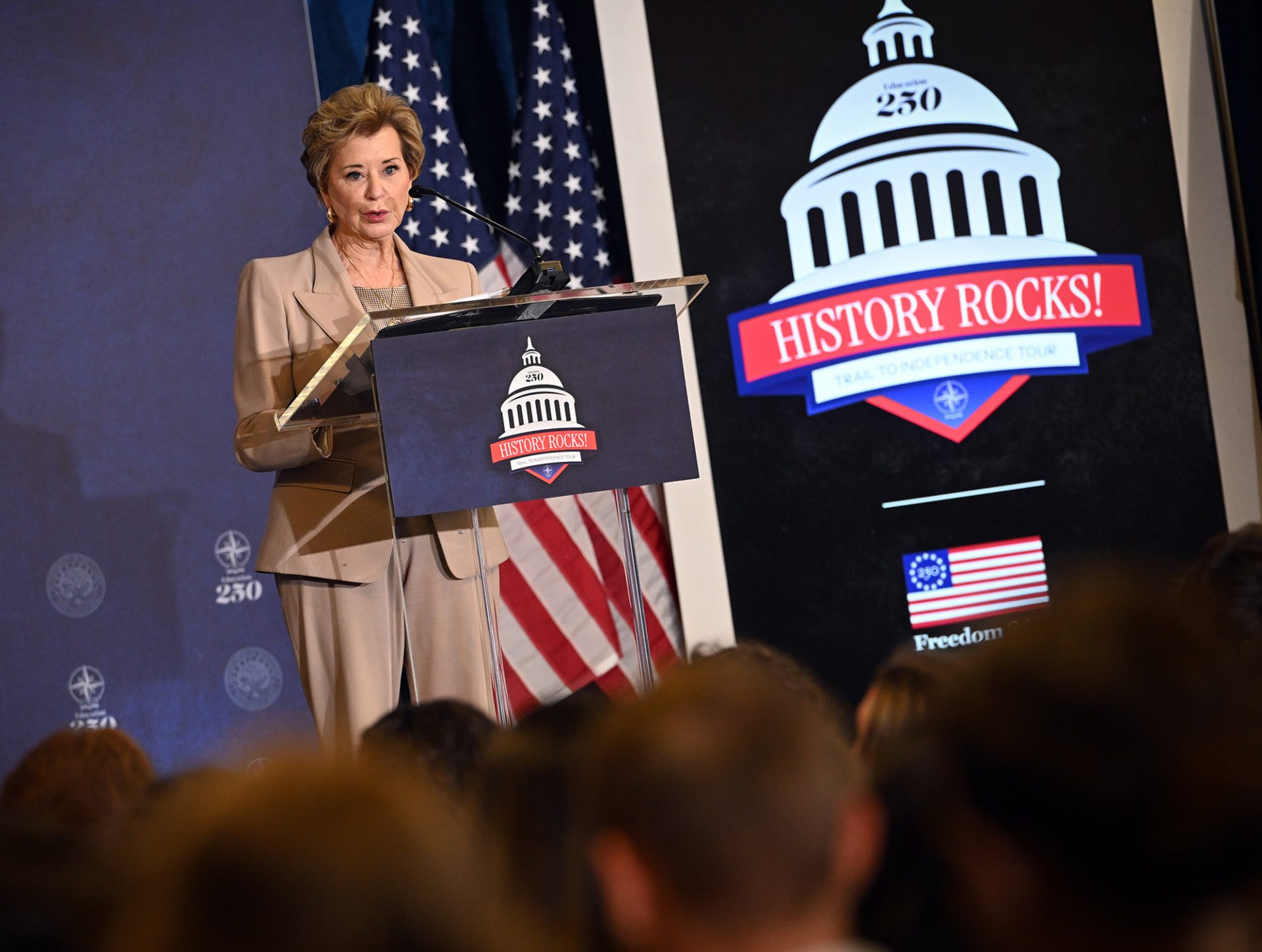
“The Trump Administration’s postsecondary education agenda is straightforward: we should shift away from high-cost, low-value programs to low-cost, high-value programs,” U.S. Secretary of Education Linda McMahon said in the news release. “Americans should not have to spend years in college and take on debt they may never be able to repay before entering the workforce.”
The federal education department directed state leaders to select which high-demand industries and career fields that will be eligible for the Workforce Pell, and Idaho Gov. Brad Little tasked the state’s Workforce Development Council (WDC) with taking the lead.
The WDC already administers Idaho Launch, which offers high school graduates $8,000 toward college degrees or workforce training programs in in-demand careers. To determine demand, the agency uses a matrix based on job openings, wages, economic mobility and the educational requirements for each occupation.
“Each state has to tie Workforce Pell programs to in-demand careers, hot jobs, whatever their state calls it,” WDC Executive Director Wendi Secrist said during a council meeting Tuesday. “The beautiful thing is we already have it. Why wouldn’t we want to align Launch and Workforce Pell?”
In addition to meeting the state’s criteria for in-demand careers, Workforce Pell-eligible programs will have to prove that at least 70% of their graduates are hired in a related field within 180 days of receiving a certification, according to federal rules.

Inside Higher Ed reported this week that while Workforce Pell has largely received public support, the job placement requirement has been a sticking point. Public commenters on the federal rule said that states might lack infrastructure needed to collect this data, Inside Higher Ed reported, and it could lead colleges to deter students from “stacking” credentials — pursuing an associate’s or bachelor’s degree after completing a workforce training program.
WDC members voiced similar concerns Tuesday. But they ultimately approved an early version of a policy guiding eligibility for Workforce Pell, using the in-demand careers matrix along with federal rules. The council recommended to the governor that “just a couple of programs” be initially approved “to pilot this process,” Secrist said. The WDC plans to start accepting applications from programs around June 1.
“Like with all of our policies, we’ll continue to iterate on this as we learn more, understand more,” Secrist said.