
A record-setting University of Idaho federal grant program is back from the dead — a year after the Trump administration killed it.
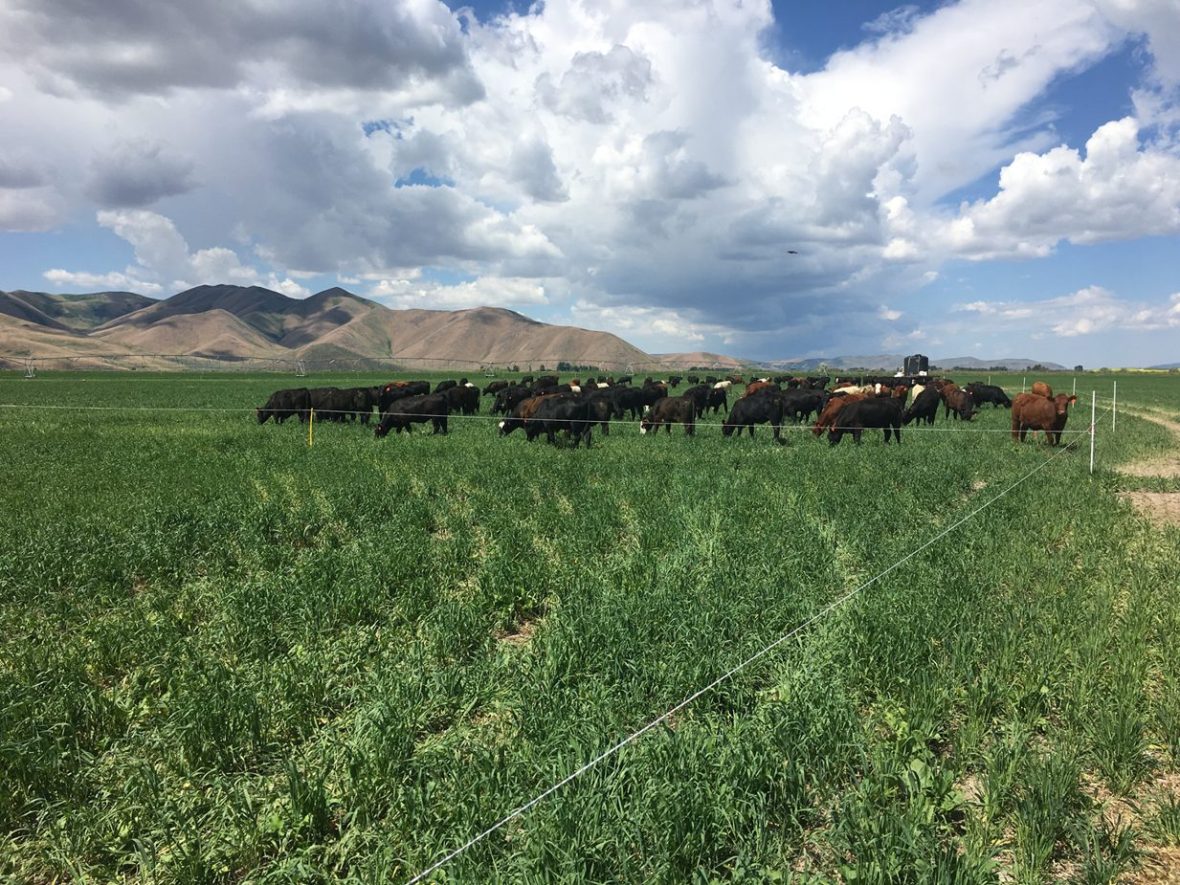
The feds have fully reinstated the five-year, $59 million program, known as the Innovative Agriculture and Marketing Partnership. The grant, the largest in U of I history, will pay Idaho farmers to experiment with climate-friendly ag practices, such as prescribed grazing, cover crops or reduced use of synthetic fertilizers.
“For a producer, this is an excellent opportunity to try things that you haven’t tried before, that are high risk but potentially high reward,” project team leader Erin Brooks, a professor in the U of I Department of Soil and Water Systems, said in a university news release. “The markets want to know more information about this, and the more we can provide tangible data and research that gives confident numbers on the impacts of these adopted practices, the better off we are.”
President Donald Trump’s Department of Agriculture pulled the plug on the program in April 2025, condemning it as a “Biden era climate slush fund.” The U of I reapplied for the money last summer.
The Trump administration reinstated the program with some changes. For one thing, farmers must now receive 65% of the program’s funding, up from 50%.
The U of I first received approval for the program in 2024. Before the program was derailed, more than 200 Idaho farmers had applied for a share of the money. Some of the growers had received funding, while other applications were left stuck in the pipeline.
The U of I says it could seek additional applications, but first, the university will “re-engage” with the growers who signed on the first time around.
“We are going to get a technical support team to help us enroll these people, and we’re streamlining the process so it’s fairly straightforward and automated,” said Doug Finkelnburg, a U of I extension educator in cropping systems and project team leader. “Our hope is to get producers under contract in 2026 as quickly as we can.”
The U of I says it plans to hire a marketing expert for the program, and hire five graduate students and a postdoctoral researcher to work on grant implementation.