Starved for cash, lawmakers are resorting to eating their young.
And that could have real effects on hundreds of students and families.
A $10 million cut to Idaho Launch could leave as many as 1,250 high school graduates on their own this fall, when the state awards its third round of postsecondary student aid.
Proposed cuts to the state’s brand-new private school tax credit law — $2 million this year, $2.5 million next year — could leave as many as 900 Idaho families out of luck.
In the context of a $5.5 billion state budget, these are extremely small spending reductions. But both are in the legislative pipeline anyway. When lawmakers are in town and money is scarce, nothing is safe and everything is a political target.
Of the two programs, Launch is probably in the more perilous position.
The raid on the Launch fund has bipartisan support from the Joint Finance-Appropriations Committee, the Legislature’s powerful budget-writing body. That is some serious juice. Legislators don’t always follow JFAC’s lead on budget decisions, but they often do. Many conservatives in the Legislature, on and off JFAC, would love to outright kill the $75 million Launch program — but they might content themselves with taking a bite out of it.
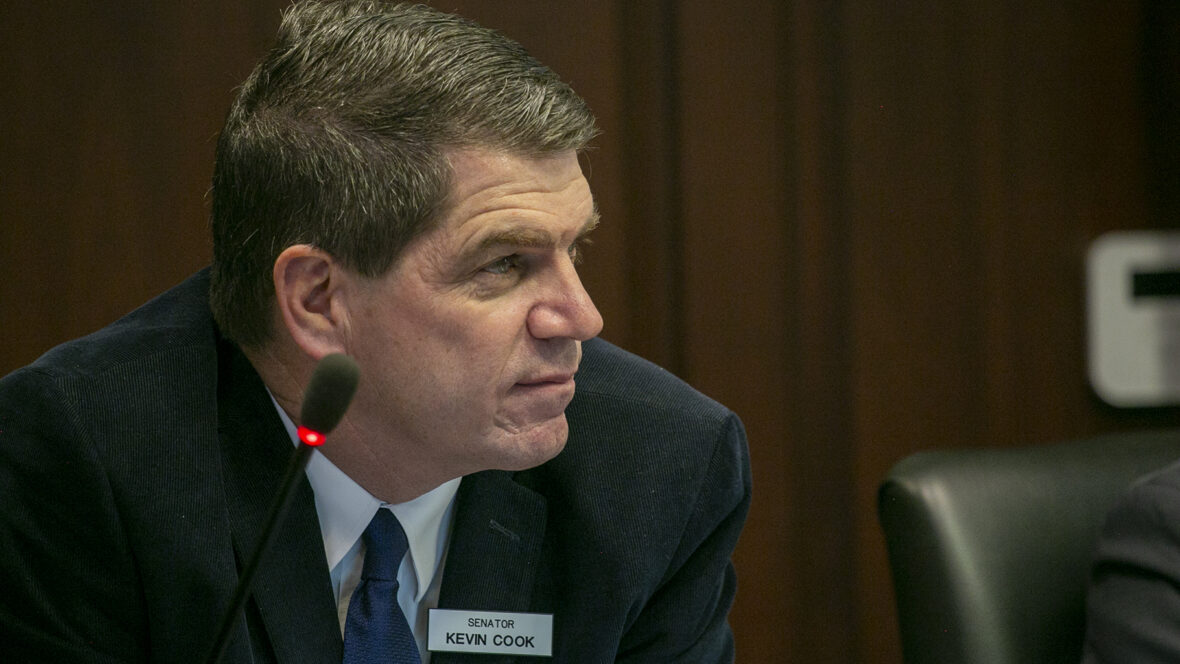
The cuts in private school tax credits, proposed by Sen. Kevin Cook, R-Idaho Falls, could face an uphill fight. The Senate Education Committee introduced Cook’s bill Tuesday on a 6-3 vote. Not coincidentally, Cook and his five allies on Senate Education all voted against House Bill 93, the 2025 law that created the tax credit program. Cook will have a tough time convincing HB 93 supporters to slow down Idaho’s first foray into private school choice.
The numbers prove popularity — but not success
But here’s the thing. Launch and the private school tax credit program have more in common than their supporters would like to admit.
Both programs are popular with — guess what? — people who are eligible for the money.
In the first two years of the program, more that 13,300 high school graduates have used Launch dollars to attend college or career-technical programs. This year’s applications are ahead of last year’s pace, two months before the April 15 deadline.
As of Tuesday, 6,030 people have applied for private education tax credits, for a total of 10,105 students. And that’s more than a month before the deadline for the first year of tax credits, which comes March 15.
The numbers prove both programs’ popularity. But they don’t prove success.
According to recent State Board of Education data, Launch is improving the state’s stubbornly low postsecondary go-on rate and encouraging high school grads to stay in Idaho. However, it will take time to know whether Launch is meeting its long-term objective: helping young adults stay in Idaho and get jobs in high-demand fields. The first Launch class graduated high school in 2024 and started their postsecondary education a few months later.
It will also take time to see if the tax credits are meeting their objective — opening private school to families who couldn’t otherwise afford it. The credits haven’t even gone out the door yet.
Launch backers and private school choice supporters sit on a Statehouse Venn diagram with limited overlap. But they both point to robust signup numbers, because there isn’t a lot of other data available. That’s what happens with new programs — like Launch, passed in 2023, and the tax credits, passed in 2025.
Let’s crunch the numbers, and break down the cuts
Small cuts can have a big impact on the people they affect.
The Launch math. Launch now has 11,967 applications in the queue, state Workforce Development Council director Wendi Secrist said Wednesday. Not all of these applications are completed, and others are likely to roll in by the April 15 deadline. Using the current application numbers and previous acceptance rates as a baseline, Secrist is expecting to offer a little more than 9,000 awards this spring.

That would be a big increase. Idaho has awarded about 7,000 Launch grants in each of the first two years of the program.
A state dedicated fund has about $72 million available for Launch grants, and that would be just enough money to cover 9,000 awards, Secrist said. Unless the Legislature follows JFAC’s lead and siphons off $10 million from the fund.
That could affect at least 1,250 possible recipients — based on the $8,000 maximum award available per student.
The tax credit math. The current applications could already exceed the $50 million in available money. Because families can collect a credit of up to $5,000 per child, or $7,500 per special-needs child, the first-year funding could wind up covering fewer than 10,000 students.
Cook’s bill could reduce tax credit funding by $2 million for this budget year, and an additional $2.5 million next year. Using a $5,000-per-student figure as a rough estimate, the funding cut would affect about 400 students this year and 500 students the following year.
Small cuts — but looming political battles
It’s tough to kill a program outright. (But it’s not impossible, as we saw in 2025, when the Legislature abruptly terminated the $30 million Empowering Parents education microgrant program.)
So that helps explain what we’re seeing this session: debates around the edges, affecting fractions of state budgets all over state government. No one cut is big enough to erase the state’s fiscal crisis. But every cut is big enough to fight over.
The Launch debate will again pit legislators against Gov. Brad Little — continuing a battle that began the day Little unveiled this program, in 2023.
Secrist is asking JFAC for the ability to make Launch awards and transfer any leftover money next year, up to $10 million. JFAC has been approached about the wording change, said Sen. C. Scott Grow, R-Eagle, the committee’s co-chair. But Grow is noncommittal, saying it isn’t clear the change is needed.
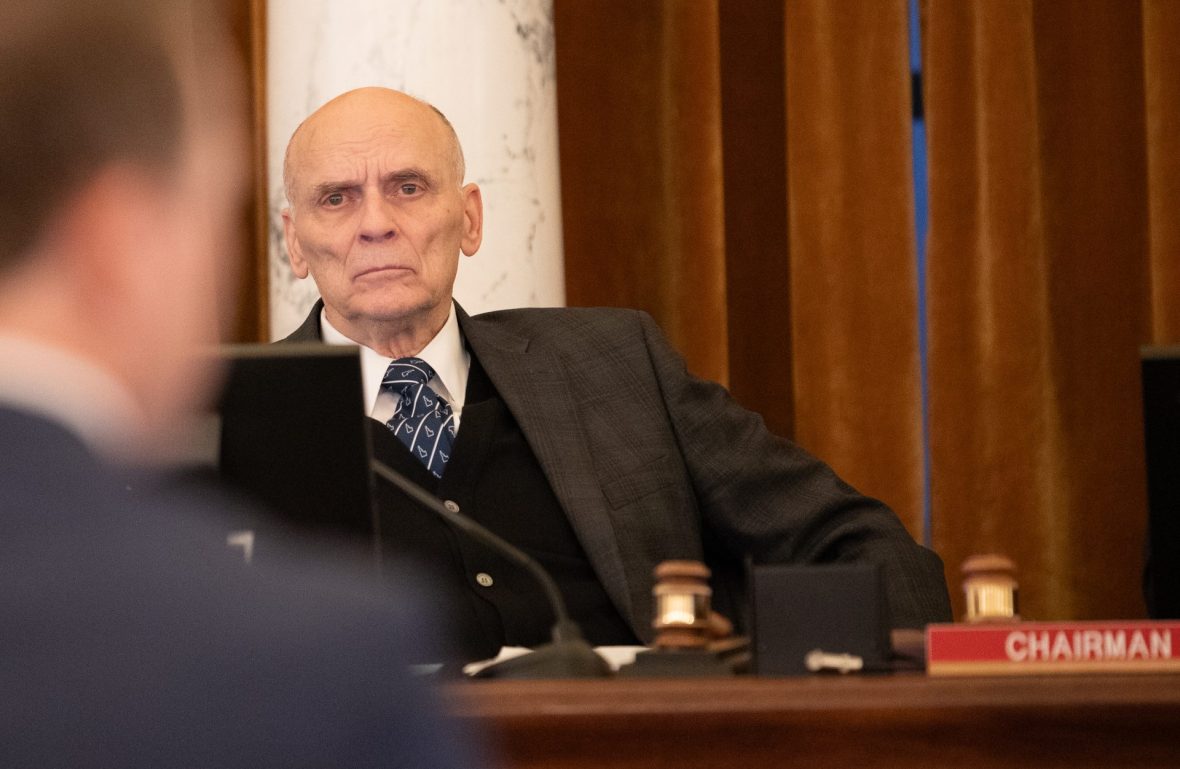
Little has signed on one Launch transfer, $10 million for the current budget year, which ends June 30. But that transfer involves surplus money, left over after 2025 high school graduates applied for their awards. Like Secrist, Little is worried that a transfer of next year’s money will affect this year’s high school grads.
“The governor is not opposed to reverting unused funds back to the general fund,” Lori Wolff, Little’s budget chief, told reporters Tuesday. “But he does want to make sure that all students who want to pursue an in-demand career and stay in Idaho have access to that scholarship.”
A battle over the tax credits would allow both sides to do a playback of the private school choice debate of 2025. And both sides seem more than willing.
As private school choice advocates grilled Cook in Senate Education Tuesday, he didn’t seem moved by the argument that a funding cut could affect some applicants.
“We may hurt somebody,” said Cook, noting that other programs, including Launch, are taking a hit. “We all need to hurt a little bit.”
This drew a swift and salty reply from the Mountain States Policy Center, a free-market lobbying group that fervently supports the tax credit program.
“That is not a technical adjustment,” the group said in Wednesday news release. “It is not harmless. And it is not responsible. It is a decision that targets families after the fact — and supporters are admitting as much.”
If Cook’s bill goes anywhere, expect an outsized fracas, relative to the money in play.
But that’s the 2026 session in microcosm. No free passes for any program. Even the young ones.
Kevin Richert writes a weekly analysis on education policy and education politics. Look for his stories each Thursday.