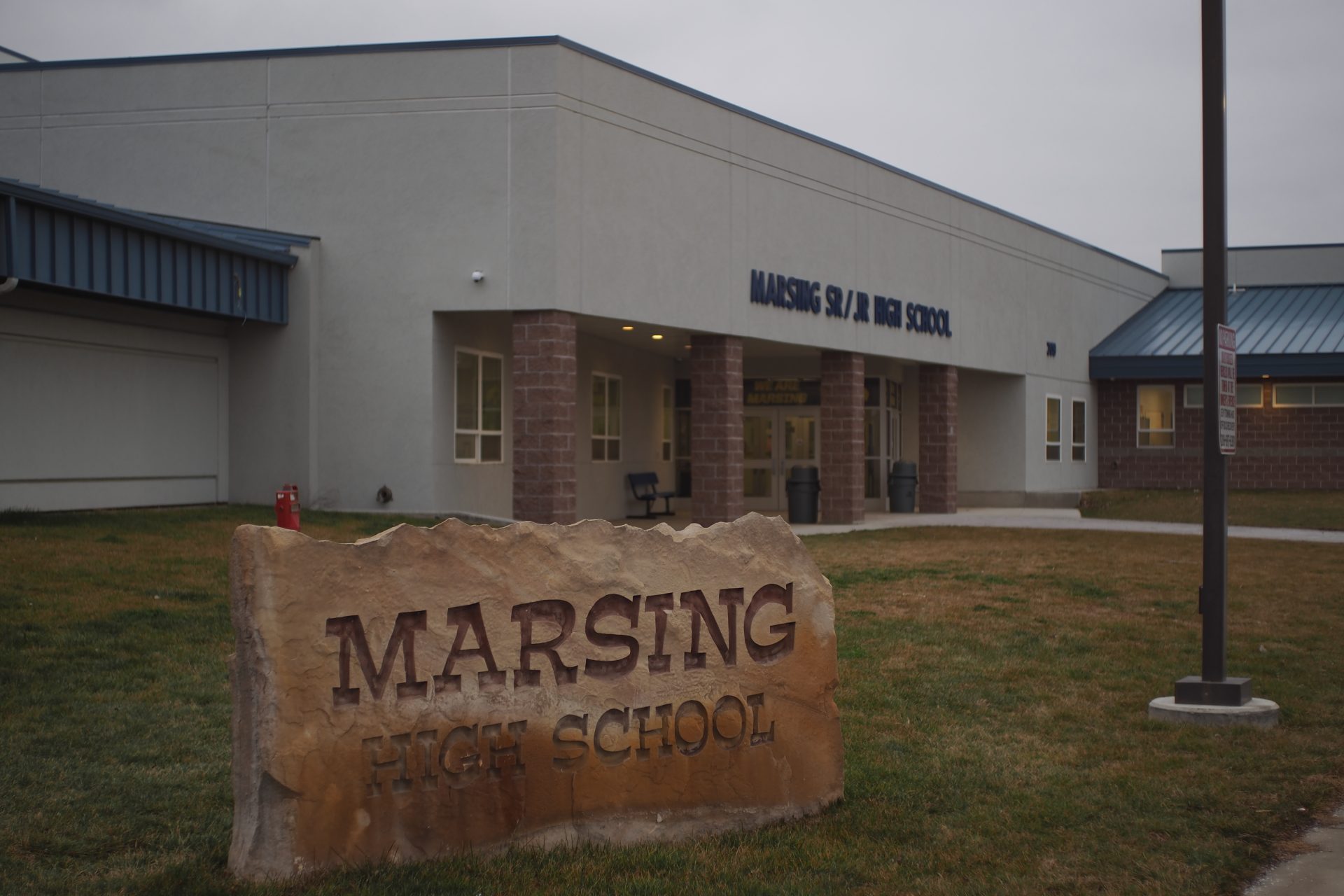
It’s 10:30 a.m., and Tristan Izzard has been practicing his welds for two hours.
Clad in green welding coats, Izzard and a handful of his classmates sharpen their skills in Marsing High School’s shop, recently outfitted with nearly a dozen new welders through a grant.
With declining enrollment and no reliance on local supplemental funds, Marsing has to get creative. District leaders pursue grants, foster cooperatives and save money to expand offerings, serve a high number of students in poverty and compete in a changing landscape for rural districts in Idaho.
With state funding for homeschooling families now available, discussions of education budget cuts swirling around the Statehouse, and an ever-growing charter school landscape in western Idaho, Marsing leaders are doubling down on their approach.
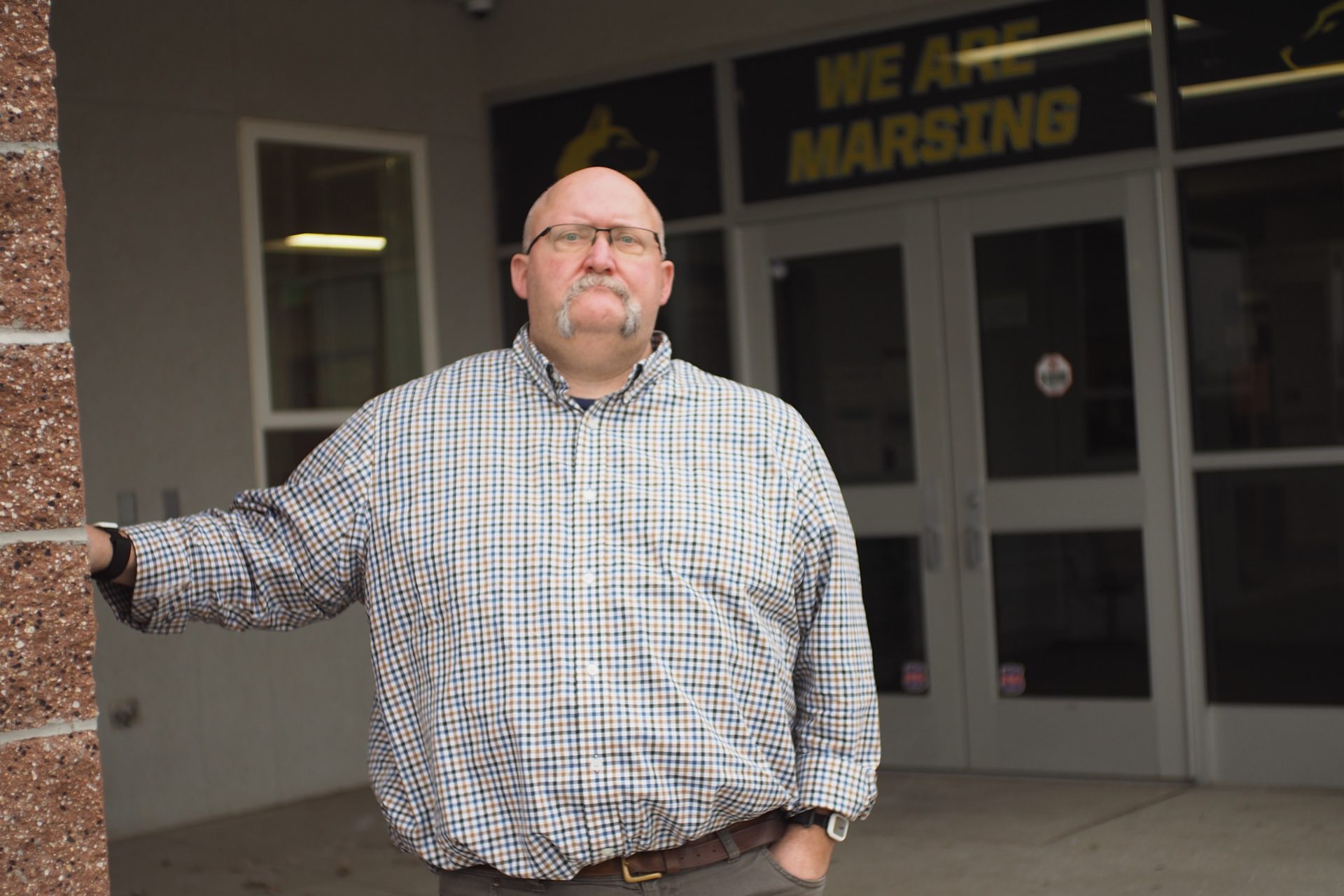
“We can’t control the wind, but we can adjust our sails,” said Marsing High Principal Sean Porter.
Grants, savings are operational staples for rural district
Last semester, Marsing High won a $50,000 state grant to improve its career-technical offerings. The school bought 11 new welders with the money.
The upgrade made a massive difference, Izzard said: More students can now practice arc and stick welding.

Grants like the one for new welders are important because Marsing is one of few Idaho districts to operate without a locally approved levy to supplement its funding. Eighty-nine of Idaho’s 115 districts had supplemental levies on the books in 2025.
The district prioritizes saving to operate in the green. Trustees push for a fund balance of about $3.6 million – 42% of the district’s annual $8.4 million budget.
The approach mirrors a K-12 trend in Idaho.
Statewide, budgets tally to 22.9% of K-12 schools’ general fund budgets. Financial experts recommend districts have a reserve of 25-33% of their annual budget, enough to cover about three or four months of expenses for emergencies, says Heather Williams, Associate Executive Director of the Idaho Association of School Administrators.
Like grants, savings often become another revenue stream for Marsing.
Leaders lean on the fund balance to supplement state and federal funding throughout the year and absorb other costs, said Superintendent Norm Stewart.
Enrollment challenges and competition impact Marsing’s approach
Bordering fast-growing Caldwell, Marsing is a farming community of around 1,200 people in Owyhee County. The district has one elementary school and a combined junior/senior high school.
Like most Idaho districts, Marsing faces a trend of declining enrollment. In 2022, the district had about 866 students. This year, enrollment hovers around 816. Idaho’s average daily attendance-based funding model means districts get less state funding when enrollments drop.
Some of Marsing’s losses comes from families switching to homeschooling, but administrators aren’t sure how many have gone to private schools or charters over the years.
As Idaho’s school choice programs continue to expand alongside the introduction of private school tax credits. Pursing more options is a focal point amid the changing landscape, Porter said – including for the district’s high concentration of students in poverty.
Community Schools approach expands services for families in need
Marsing’s Community Schools model builds on partnerships with local organizations to remove barriers and provide comprehensive resources and services for students and families in need. Services include health care, dental care and other social services.
The United Way of Treasure Valley helps foster a collaborative of Idaho educators doing community school work, called the Idaho Coalition for Community Schools. The collaborative helps fund a handful of the schools, including Marsing, where it covers salaries for program coordinators who help facilitate services.
Marsing’s services come in the form of a hub for students and families in need. The district’s HUB community school is a one-stop shop for family resources that are scarce in the rural community. The HUB houses the only food pantry in town, after-school programming, preschool and student mental health services. Click here for more on Marsing’s program.
The U.S. Department of Education nearly cancelled federal grant funding for the program in December, but state superintendent Debbie Critchfield helped rescue Idaho’s funding.
The funds are crucial for Marsing students, Porter said. The Marsing district’s initiative has gathered $5 million in resources for the community since it started in 2019.
In addition, the district’s 56-year partnership with four nearby rural districts expands career-technical, alternative and special education options through the cooperative Canyon-Owyhee School Service Agency, or COSSA. Marsing contributes more than $740,000 a year to the cooperative, dipping into its general fund because state and federal special education funding only partially offset the cost of services, Stewart said.