
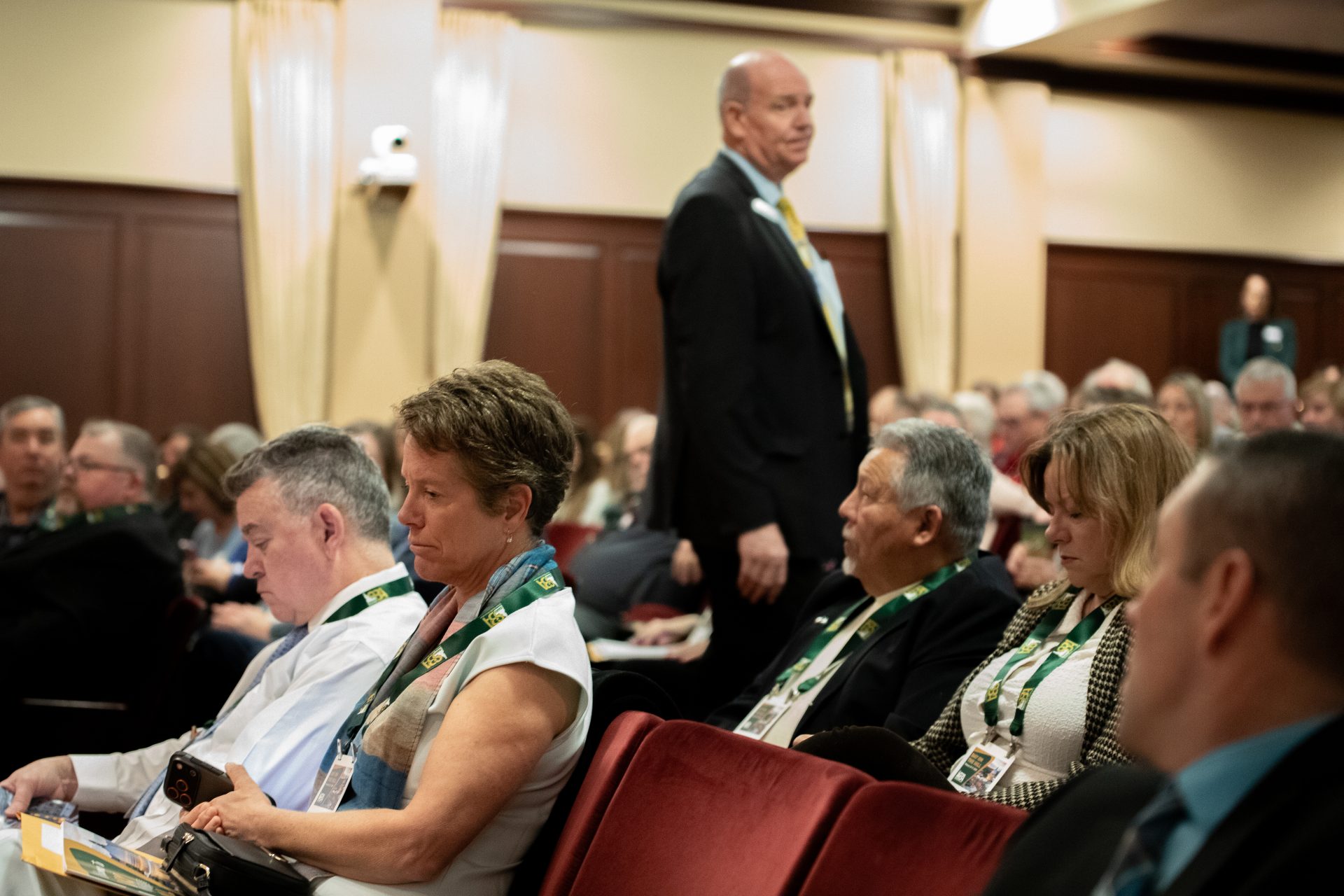
School trustees and administrators filed into the Statehouse for a day of long presentations and policy talk — but the first message was simple: In public education, staying on the sidelines isn’t an option.
Advocacy from trustees and administrators is vital, said Quinn Perry, deputy director of the Idaho School Boards Association. But she regularly hears folks say they don’t want to get involved in politics.
“You do not have a choice when you are in public education,” Perry told the crowd at the Lincoln Auditorium. “You have to get involved in the politics because your students, your workforce and your communities depend on strong public education.”
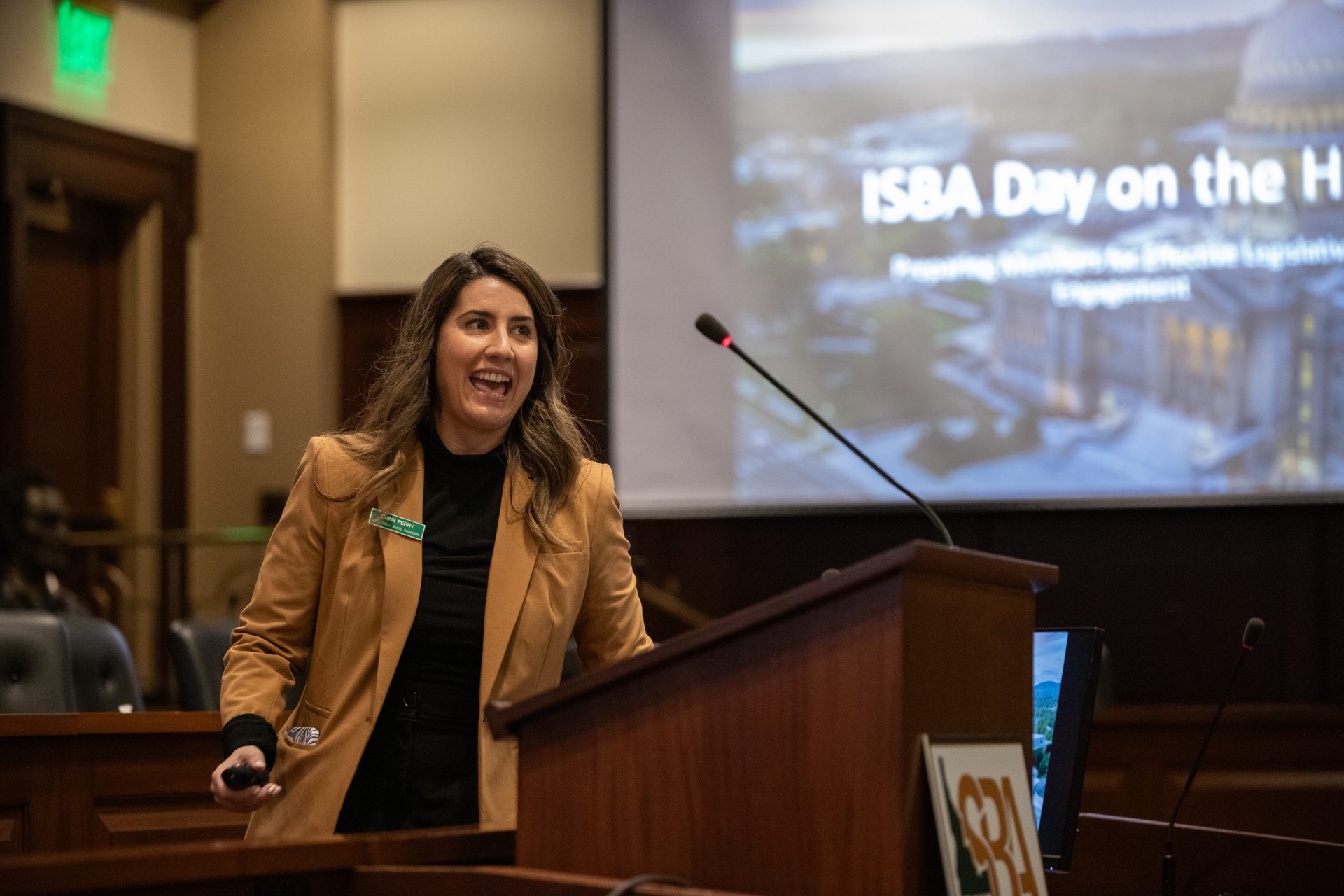
Perry’s presentation kicked off the annual ISBA Day on the Hill Monday. The event continues Tuesday with more time for trustees, superintendents and charter school leaders to meet with their legislators and advocate for their communities.
In the middle of a legislative session dominated by talks of budget cuts, attendees heard from at least eight state legislators and four statewide officials, including the governor.
Gov. Brad Little noted his support for Idaho Launch, a state program that provides $8,000 for up to 80% of tuition and fees at four-year colleges, community colleges, career and technical education, or job training.
Little said he’d fight to keep the program whole.
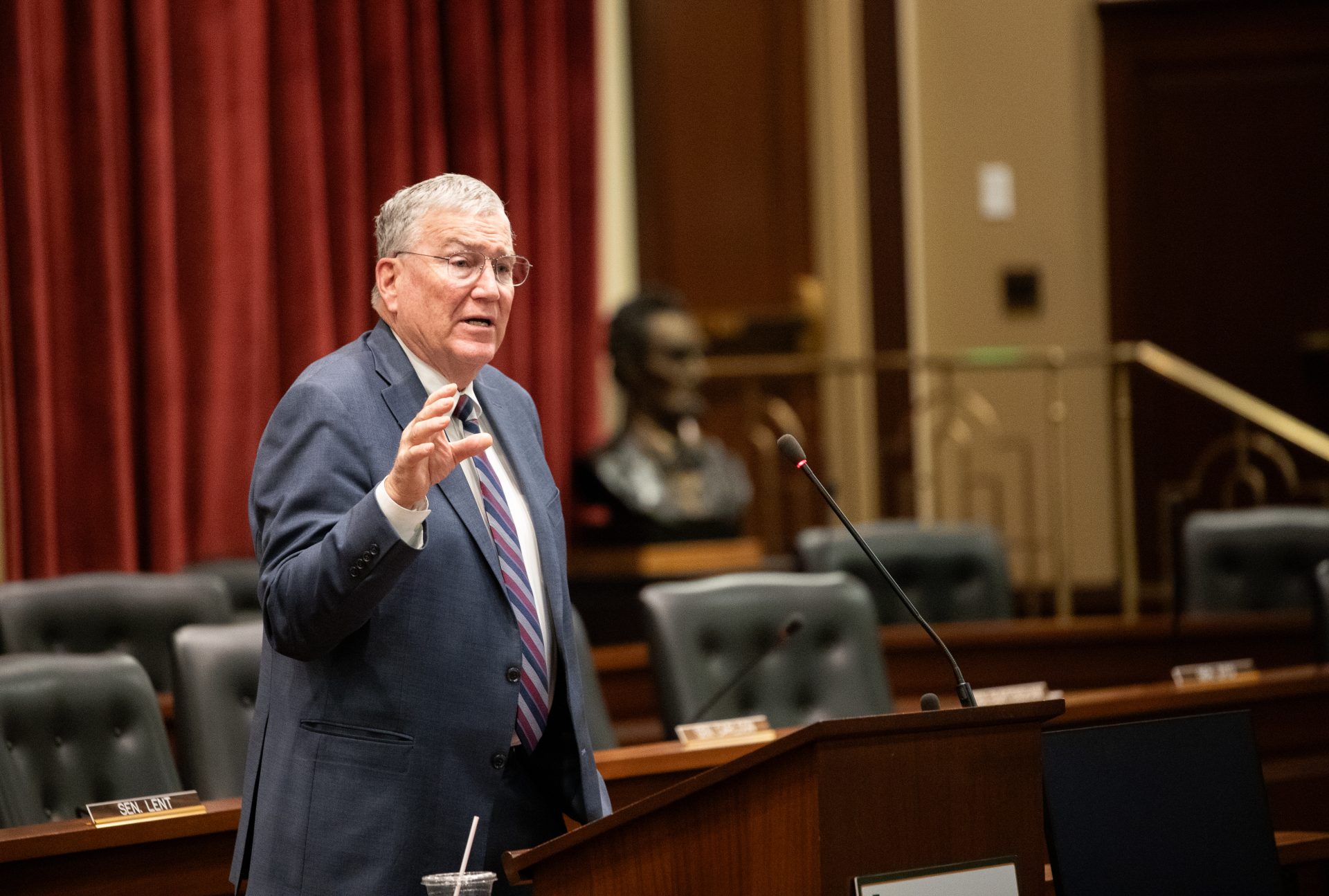
Lt. Gov. Scott Bedke was the most candid in his summary of the state’s budget issues.
Legislators last year made a list of things they wanted, passed most of the budget, then adjusted the revenue number to cover the list of things they wanted, he said. “Duh, that’s what the problem is.”
Facing a shortfall, the Legislature is considering $20 million in cuts to the Idaho Launch grant program; $10 million in cuts to the Idaho Digital Learning Alliance; $23 million in proposed cuts to virtual schools, such as Idaho Home Learning Academy; cuts to higher education and cuts to career and technical education programs.
Brady Dickinson, superintendent for Twin Falls School District, said he is cautiously optimistic.
K-12 has been exempted from across-the-board state cuts, but he is concerned some programs will be reduced. Cuts to Idaho Launch and the nearby College of Southern Idaho will not impact the district’s budget, but will have consequences on the Twin Falls community.
“You’re going to have less opportunity for kids going into high-demand fields,” Dickinson told EdNews. “That’s an area in Idaho that I don’t think we can really afford to back off on.”
His message to legislators is simple: “Just remember that it will impact kids.”
There will be unintended consequences of program cuts, Kathleen Allison, executive director of iSucceed Virtual Charter School, told EdNews.
If the Legislature decides to cut the Idaho Digital Learning Alliance, rural students and students who are behind in credits will get left behind.
“We’re trying to bank on this next generation to take over and help our communities thrive,” Allison said. “And yet we’re kind of letting them down with these particular cuts.”
Bedke said he is mad, adding that this isn’t how the Legislature worked when he was House speaker. There’s nothing to do except show up at the ballot box and become informed citizens, he said.
“The just powers that we derive are from the consent of the governed,” Bedke said. “I need the governed to step up and demand better.”
Another speaker at Monday’s event mentioned the importance of elections.
In a single-party state like Idaho, the election is in May, not November, Rep. Soñia Galaviz told school leaders.
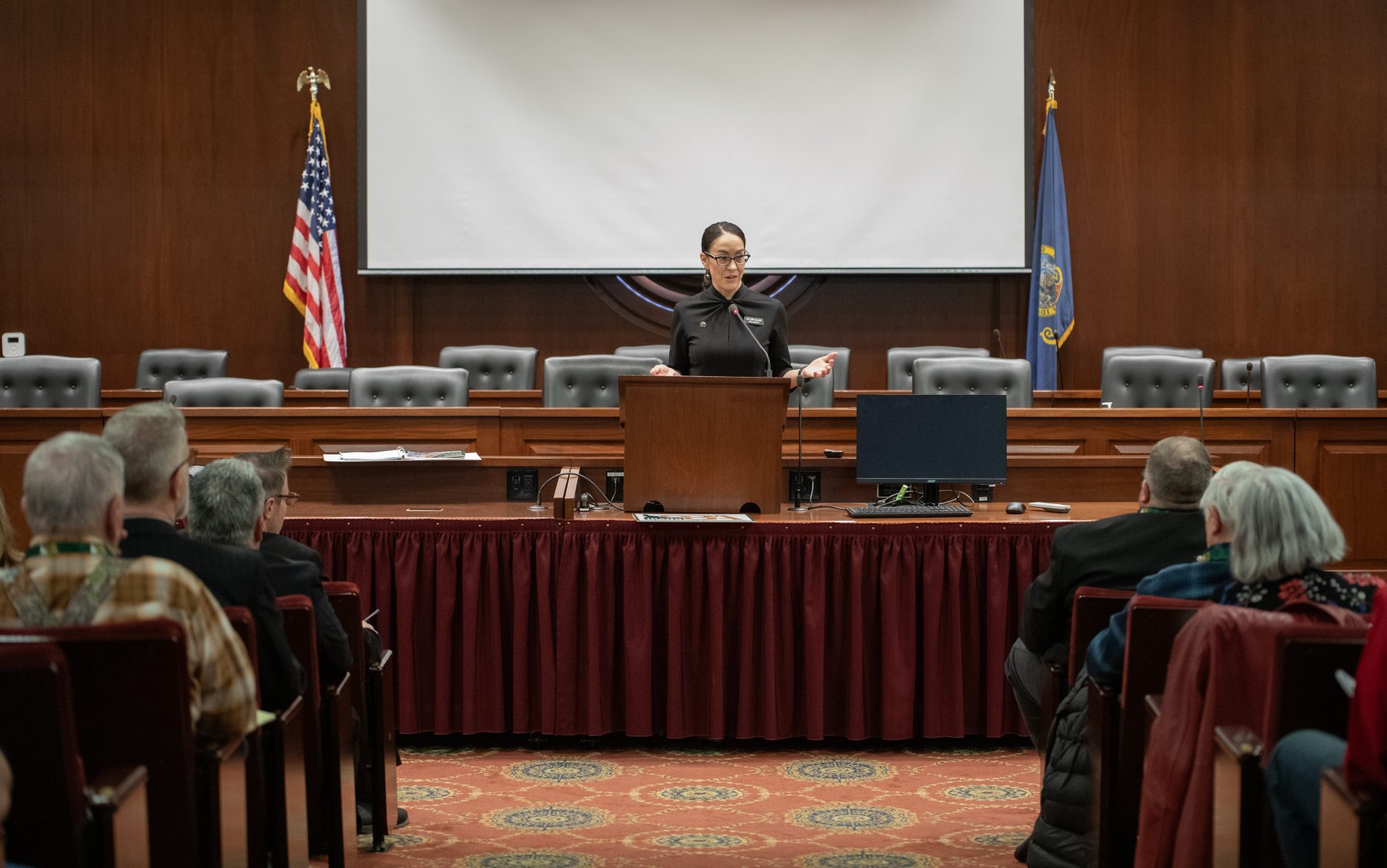
Galaviz, D-Boise, told the trustees they must have conversations in their communities about who represents them. The primary election is May 19, and the filing period opens next week, from Feb. 23-27.
“Obviously, we can’t be partisan,” Galaviz said. “We can’t direct towards any particular candidate, but can we encourage voting? Across the state we’re seeing less than 30% turnout.”
While Bedke is mad, Sen. James Ruchti, D-Pocatello, said he is angry that the Legislature is going to hurt Idahoans at every economic level.
“If you’re not angry, then you should be,” Ruchti told the crowd.
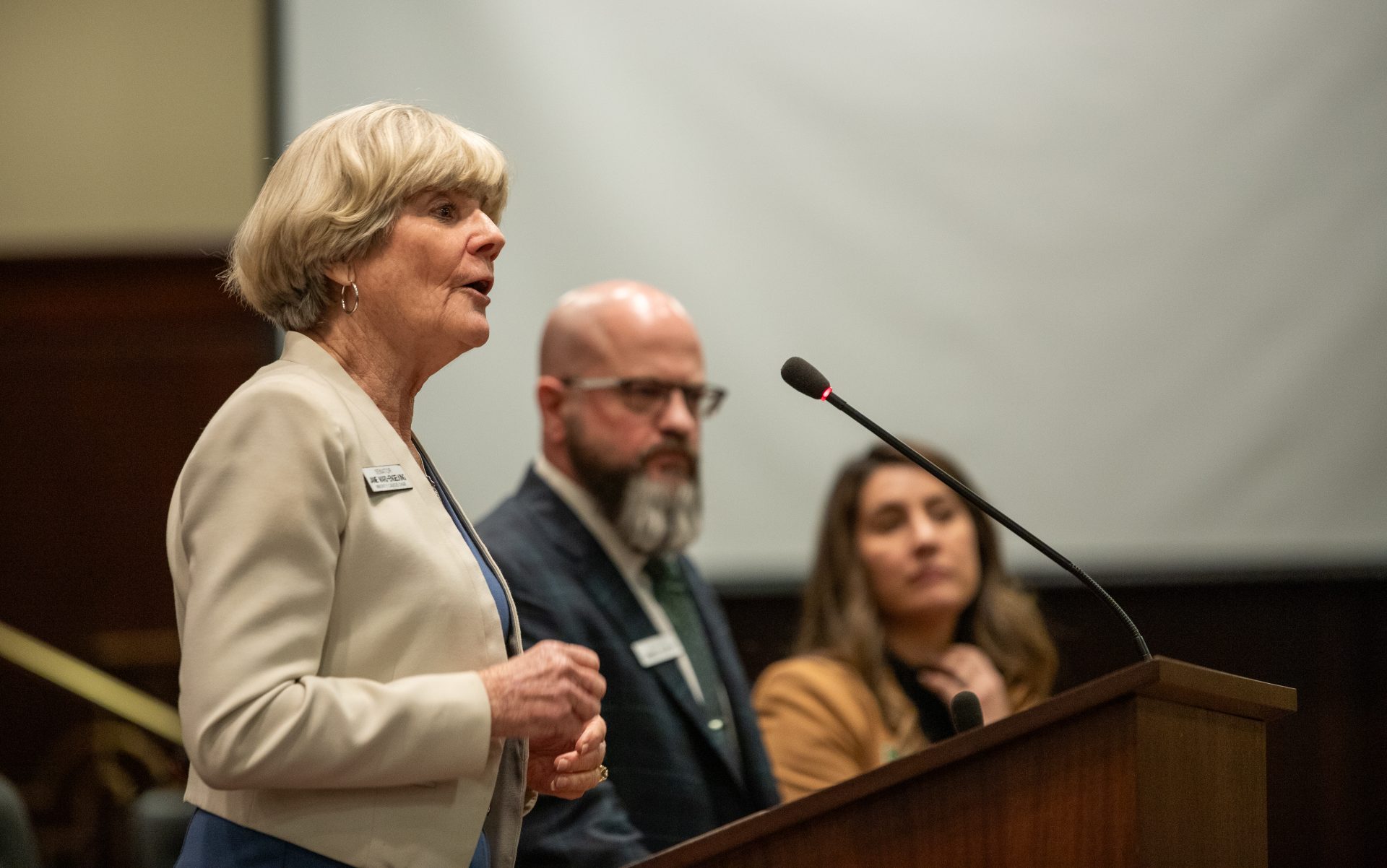
Throughout the day, several attendees asked legislators why they aren’t considering using the state’s rainy-day fund to help education.
Sen. Janie Ward-Engelking, D-Boise, said she’s heard from colleagues that they reduced revenue last year through tax cuts to shrink government — and the only way to shrink government is to starve it.
“There’s just not the political will to (tap into rainy day funds) right now,” Ward-Engelking said.
House Speaker Mike Moyle had a more upbeat tone than the Democrats. Idaho is the best state in the nation and has the No. 1 economy, he said.
Legislators last year left Boise with a balanced budget, he said, but no one realized that the federal government in July would pass the One Big Beautiful Bill, which includes 39 tax breaks that impact Idaho. Those tax breaks, he said, created a “little hiccup,” but the education budget is still the most important one to legislators.
“It’s the one we will do the least harm to,” Moyle said. “In fact, we’re trying to do no harm. That’s the plan. We’ll see what happens.”
Toward the end of the day, state superintendent Debbie Critchfield told trustees that they have received a lot of “heavy information” today. There are plenty of challenges, but, she said, there’s never been a time when the country hasn’t had challenges.
As a former trustee for 10 years in Cassia County, Critchfield said she is encouraged by the people stepping up.
“We can do this together. And problems are an opportunity for us to make some adjustments and to make some corrections, and we’re going to try to smile while we do it,” Critchfield said.
The Day on the Hill continues Tuesday with more visits to legislators and workshop on overseeing budget reductions.