There isn’t a firm timetable, but the search for a new Boise State University president could well continue through the 2025-26 school year.
On Thursday, State Board of Education members appeared to be in no hurry to fill the high-profile vacancy. One reason: A new hire might be in no hurry to relocate in the middle of an academic year.
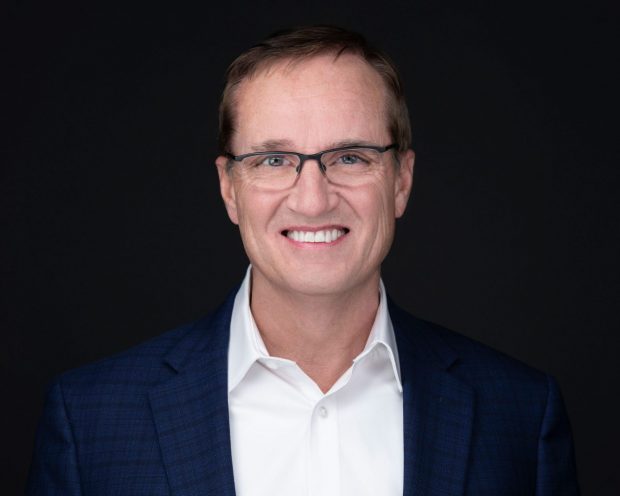
“In many ways, this timing works out to our advantage,” said State Board member David Turnbull, who is heading the Boise State search process.
Thursday’s brief discussion came two weeks after the State Board extended the seven-month-long process — and after the search committee said it didn’t have a list of five finalists for the board to consider.
As he said during an August board meeting, Turnbull again said a state law has complicated the search process. Idaho code requires the board to publicly release a list of five finalists — or release the names of all applicants. Applicants were told upfront that their names might become public, he said, but some still withdrew from the process along the way.
“While transparency is valuable, it can create challenges in a national search, particularly for sitting presidents, provosts, CEOs and other senior leaders who may not want their interest in a new role disclosed,” Turnbull said.
It’s unclear whether the State Board will look for a different search firm for the extended process. The search committee hasn’t discussed that yet, Turnbull said.
Russell Reynolds Associates, a Dallas-based national firm, has a $155,280 contract to help with the search. The firm has a set-price contract, and cannot receive additional money for an extended search.
State Board President Kurt Liebich, a search committee member, said the firm came up with a strong pool of applicants. But he also said he was comfortable spending more time on the search.
“The next president will shape not just the future of Boise State, but also the role higher education plays in Idaho’s long-term success,” he said. “We owe it to our students, our faculty and the people of Idaho to get it right.”
Presidential searches sometimes line up with the college academic calendar — but that isn’t always the case. The last time Idaho had a presidential vacancy, the State Board was able to make a midyear hire. The board hired Robert Wagner as Idaho State University president in December 2023; he began work a month later.
With the Boise State search back to the drawing board, a midyear hire appears to be unlikely. And it means interim President Jeremiah Shinn, promoted in May, is likely to continue in the role into the 2026 legislative session, and perhaps for the rest of the school year.
Turnbull and Liebich both gave Shinn a vote of confidence Thursday.
“It’s in good hands,” Liebich said. “We’re going to come up with a good outcome here. I’m confident of that.”
Another DEI exemption
In other business, the State Board has approved an additional exemption to Idaho’s new, far-reaching crackdown on diversity, equity and inclusion.
The exemption covers an associate’s degree program in social work at the College of Western Idaho. The degree requires a course titled “Introduction to Social Work and Social Welfare.” According to a State Board spreadsheet listing DEI exemptions, college officials “proactively” requested permission to require the introductory course.
Under a new state law, which went into effect July 1, colleges and universities cannot require students to take a “DEI-related course” in order to get a degree or certificate.
However, colleges and universities can seek an exemption to the law, if they offer no substitute, non-DEI course that meets program requirements.
The exemptions are fitting into a pattern, State Board Executive Director Jennifer White said Thursday. The law allows only narrow exemptions — but in majors like social work, a DEI component is central to the field of study.
“Sometimes it’s just not possible to offer an alternative pathway,” she said.
The number of exemptions is rising, at least for now.
As Idaho Education News reported in September, the State Board had already approved 20 exemptions for fall, up from 11 summer exemptions. The CWI exemption — similar to one that had been granted for summer — brings the fall total to 21.
The State Board downplayed the increase, saying it simply reflects the fact that colleges and universities offer more classes in the fall. The board says it expects the number of exemptions to decrease over time.