
From roaring controversy around a sign posted in a West Ada classroom to the terminus of the University of Idaho’s bid to purchase the University of Phoenix, there was a variety of topics that kept your dinner table conversations lively in 2025.
As the year comes to a close, Idaho Education News takes a look back at the news that made 2025. (Did we miss something? Email me your favorite stories at Kaeden@IdahoEdNews.org.)

Sarah Inama made headlines across the country when administrators told her to remove the now-famous “everyone is welcome here” sign from her classroom. Her story mingled with House Bill 41, culminating in Idaho Attorney General Raul Labrador’s statement that the new law forbids the sign from being displayed in classrooms.

In 2023, the State Board of Education greenlit the University of Idaho’s $550 million purchase of the University of Phoenix, a for-profit online university. It quickly grew to $685 million in a two-year odyssey that terminated in 2025 when the two universities agreed to pull the plug. U of I spent at least $16.8 million on what could’ve been the largest transaction in Idaho education history.
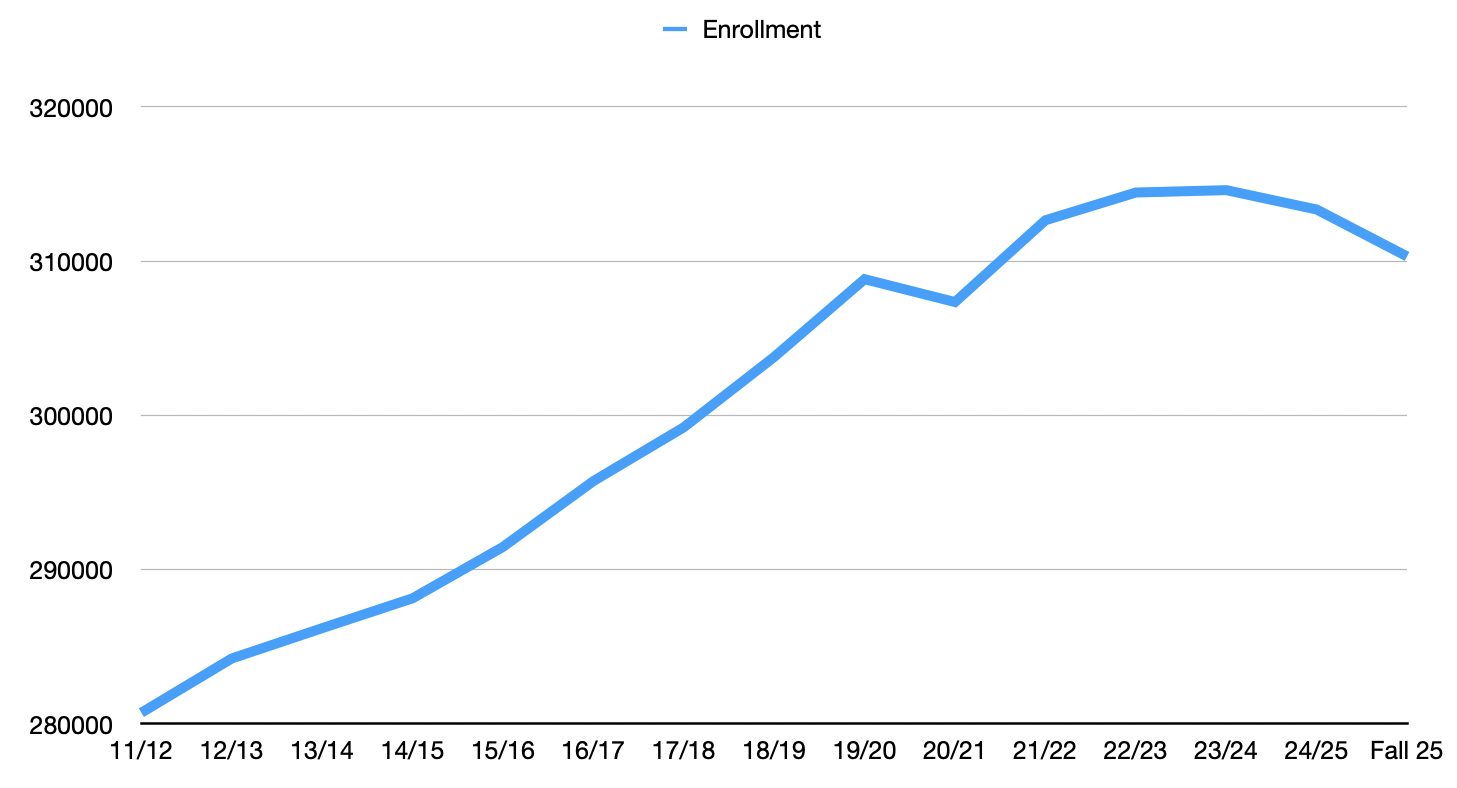
Following a nationwide trend, public K-12 enrollment is dipping in Idaho. With the U.S. birthrate at a record low, new alternatives to public education and rising cost of living, numerous factors contribute. Statewide, enrollment is down 3,042 students, a 1% decrease from last school year.

During the 2025 legislative session, lawmakers courted the possibility of exiting WWAMI, a partnership which subsidizes the cost for Idaho students to attend medical school at the University of Washington. In search of a solution for Idaho’s last-place ranking in physicians per capita, a medical education task force is exploring multiple possibilities, including a potential acquisition of the Idaho College of Osteopathic Medicine by Idaho State University.

Idaho’s K-12 enrollment is declining, but in 2025 the number of school districts increased by one: Mountain View School District constituents voted to deconsolidate into Clearwater Valley and Grangeville districts, citing financial concerns in what was the state’s geographically largest school district, spanning most of Idaho County – a county about 3,000 square miles larger than Connecticut.

2025 was a bad year for bonds. Across Idaho, bond measures appeared on ballots six times and failed every time. Most levies passed, with two failing in May and seven failing in November. Many levies went toward teacher pay and benefits after the state introduced new minimum salaries for teachers.

The state’s new minimum teacher salary of $50,252 left many school boards scrambling to meet the new minimums equitably within their budgets. The increased minimum meant every step of the teacher pay ladder increased too, so a first-year teacher doesn’t make the same amount as one who’s climbed the ladder.
Teacher pay is always a hot topic, and administrator salaries are no exception. The average statewide superintendent/assistant superintendent salary for the 2025-26 school year is $132,910 – but some districts blow it out of the water: West Ada’s Derek Bub remains the state’s highest-paid administrator with an annual salary of $230,882. Boise’s Lisa Roberts follows with $218,362. Lake Pend Oreille Superintendent Becky Meyer comes third with a salary of $209,139.
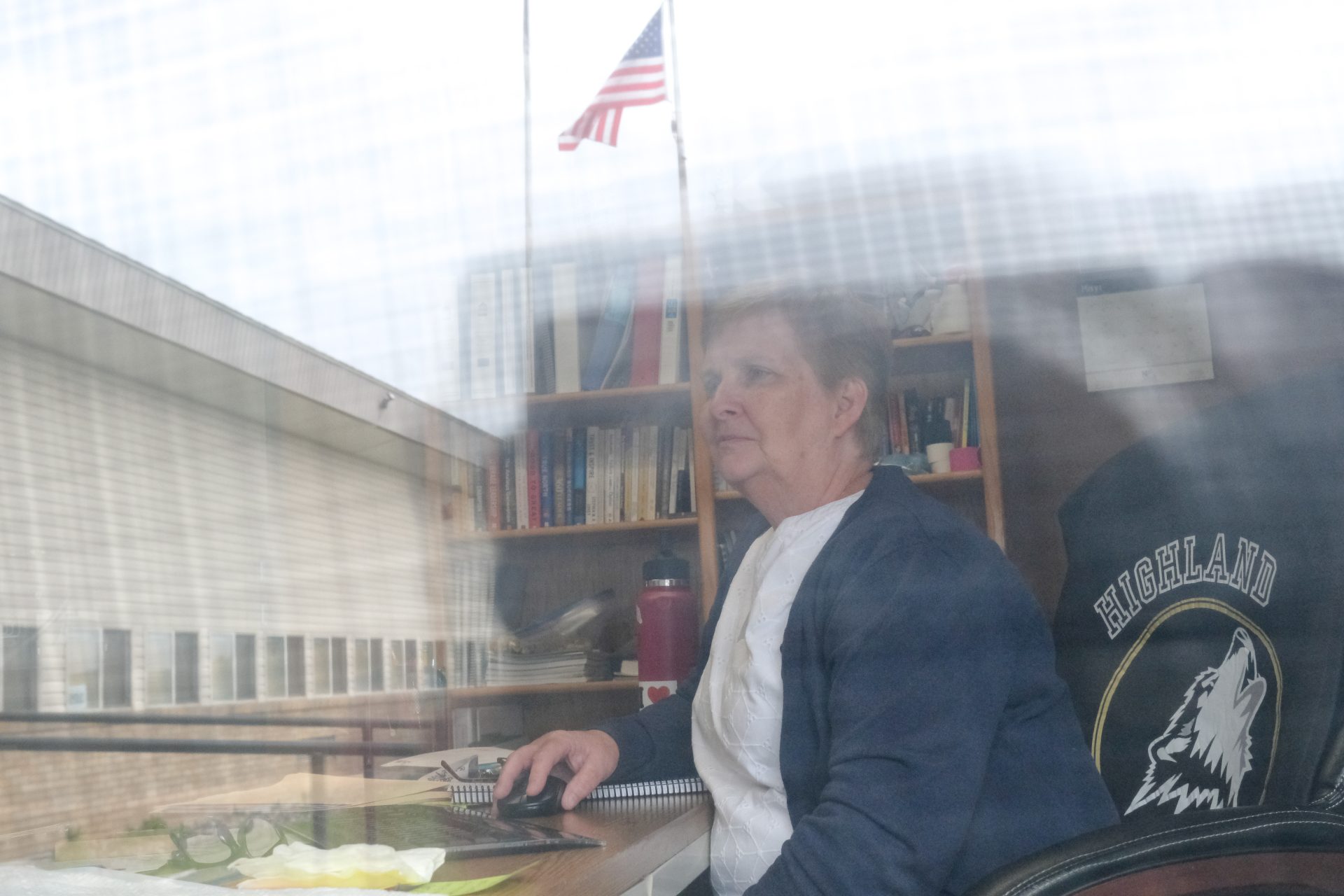
As Emma Epperly’s enterprise reporting showed, big bucks for superintendents might not be enough. Districts struggle to find qualified leaders who stick around. Since 2019, 71% of Idaho superintendents have quit, retired or taken another job. Epperly’s four-story series dives into the day-to-day of Idaho superintendents and takes an in-depth look at the super struggle.

North Idaho has a habit of making national headlines. This year, Epperly partnered with a reporter from national education news organization the Hechinger Report, Laura Pappano, to cover the Kootenai County Republican Central Committee’s tightening hold on local politics.
In 2025, EdNews published 193 Community Voices articles, which received a collective 144,664 page views. The most popular topic? House Bill 93.
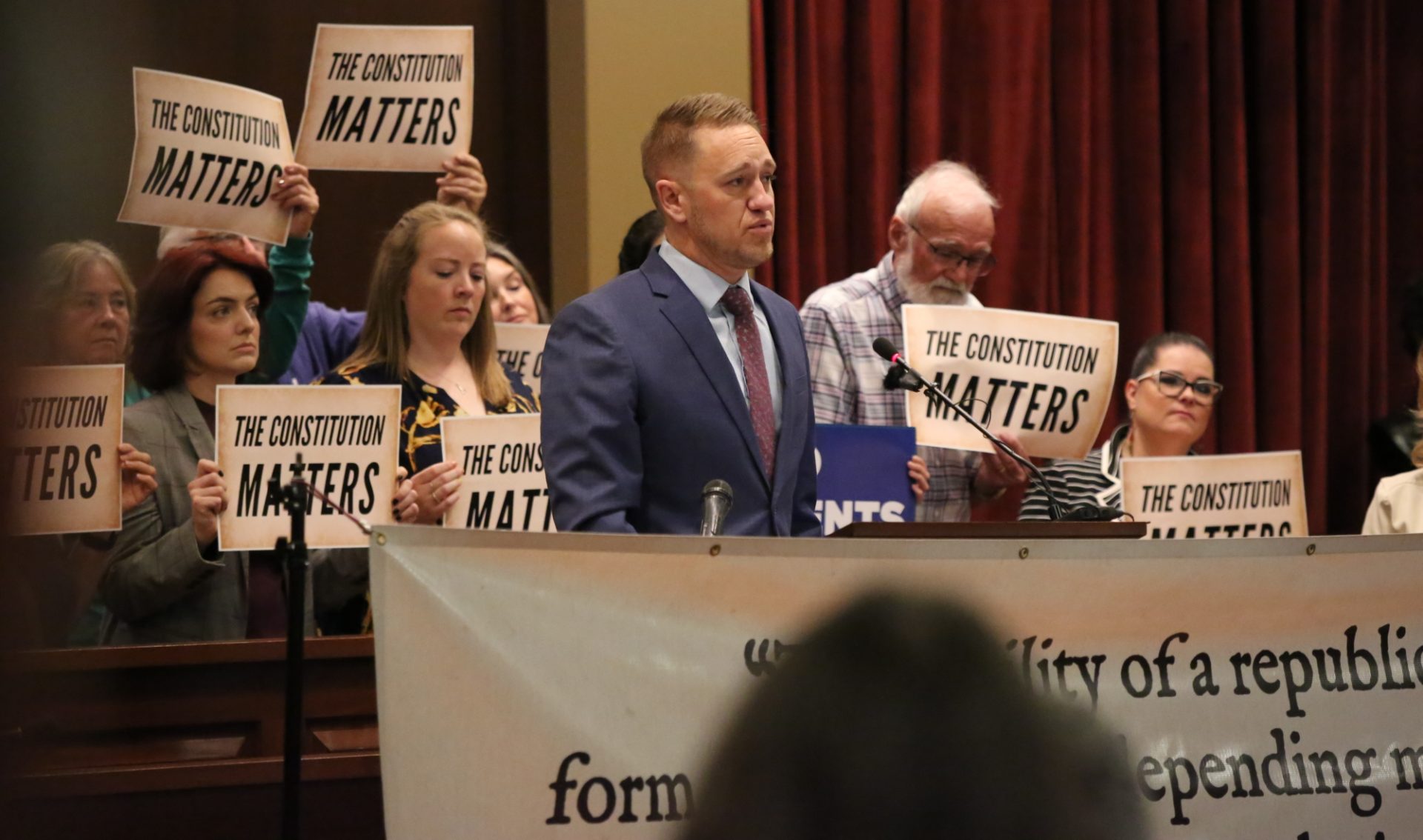
House Bill 93 inflamed controversy even before Idaho Gov. Brad Little signed the $50 million program into law. Now, it faces a lawsuit from a conglomerate of opposition. As EdNews reporter Ryan Suppe put it, “It might be easier to name the people who don’t have a stake in House Bill 93.”
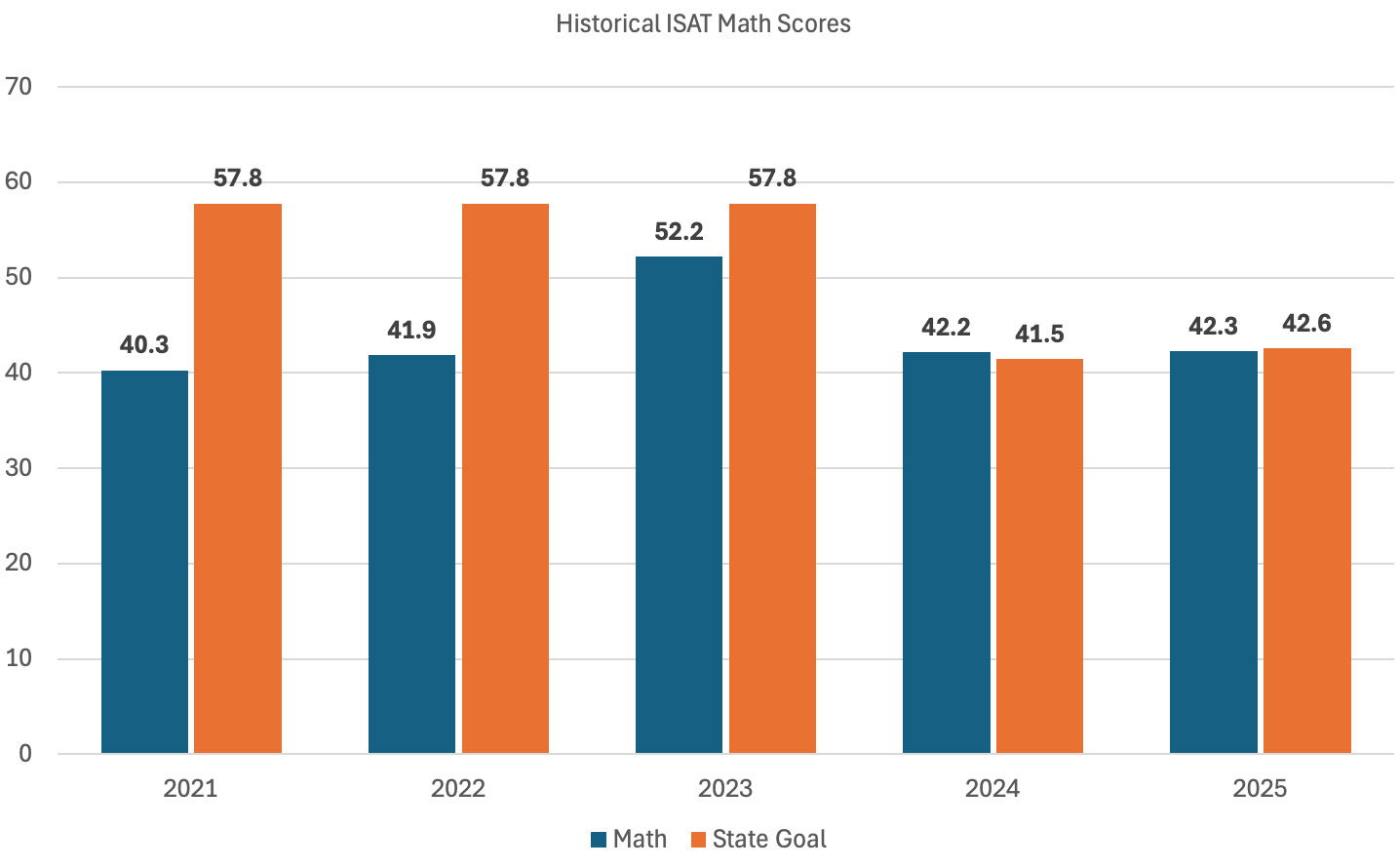
State superintendent Debbie Critchfield called the 2024-25 ISAT scores “a source of confidence and a definite opportunity to look ahead to ensure that our students are prepared for their futures now and beyond K-12 education,” after English and math achievement scores stagnated, falling short of state goals.

Rigby High School teacher Laron Johnson was named Idaho’s 2026 Teacher of the Year, honoring Johnson’s nearly three-decade career. Selected from around 200 nominees, Johnson will represent Idaho in a variety of local and national events throughout 2026.
BEST MONTH OF TRAFFIC: FEBRUARY
No particular story was responsible for February’s record 287,000 page views at EdNews. An array of content from the Statehouse included private school tax credits, increased teacher salaries and a proposed bill to sever ties between Idaho and the University of Washington’s medical school.

FAVORITE HEADLINE: “Jerome dirt farmer raises cain as he opposes local school levy proposal”
Dean Dimond, a Jerome County farmer, found himself in a pickle with Idaho Secretary of State Phil McGrane, who met with Dimond to explain the rules of campaign finance in Idaho.

FAVORITE PHOTO: Hogs, horses and first graders mingle at West Ada’s Ag Expo
A horse gazes handsomely into the camera for a portrait with some West Ada first-graders in the background. Younglings met farm animals like horses and cows at the district’s Agriculture Expo.
FAVORITE VIDEO: Elmore County election outcomes unchanged after recount
EdNews reporter Sean Dolan spent a day in Mountain Home to watch state employees take eight hours to recount and tabulate 3,193 ballots by hand. Secretary of State Phil McGrane led the 18-person team to ensure the votes were counted.