
On any given day, the Kootenai Technical Education Campus’ parking lot is full of trucks.
Old trucks, new trucks and poorly parked trucks by the high schoolers rushing inside to take unique electives focused on their future careers.
Some students slip into scrubs for their medical assistant or certified nursing assistant courses, while others pull on mechanic shirts with their name stitched on the side for their diesel technology course.
Though the career-technical campus has been a massive hit with students since it opened in 2012, its future is not guaranteed.
KTEC serves three school districts — Coeur d’Alene, Post Falls and Lakeland. All three use levy funds to pay their portion of the bill. On May 20, Lakeland and Post Falls voters will decide if that’s a worthy investment.
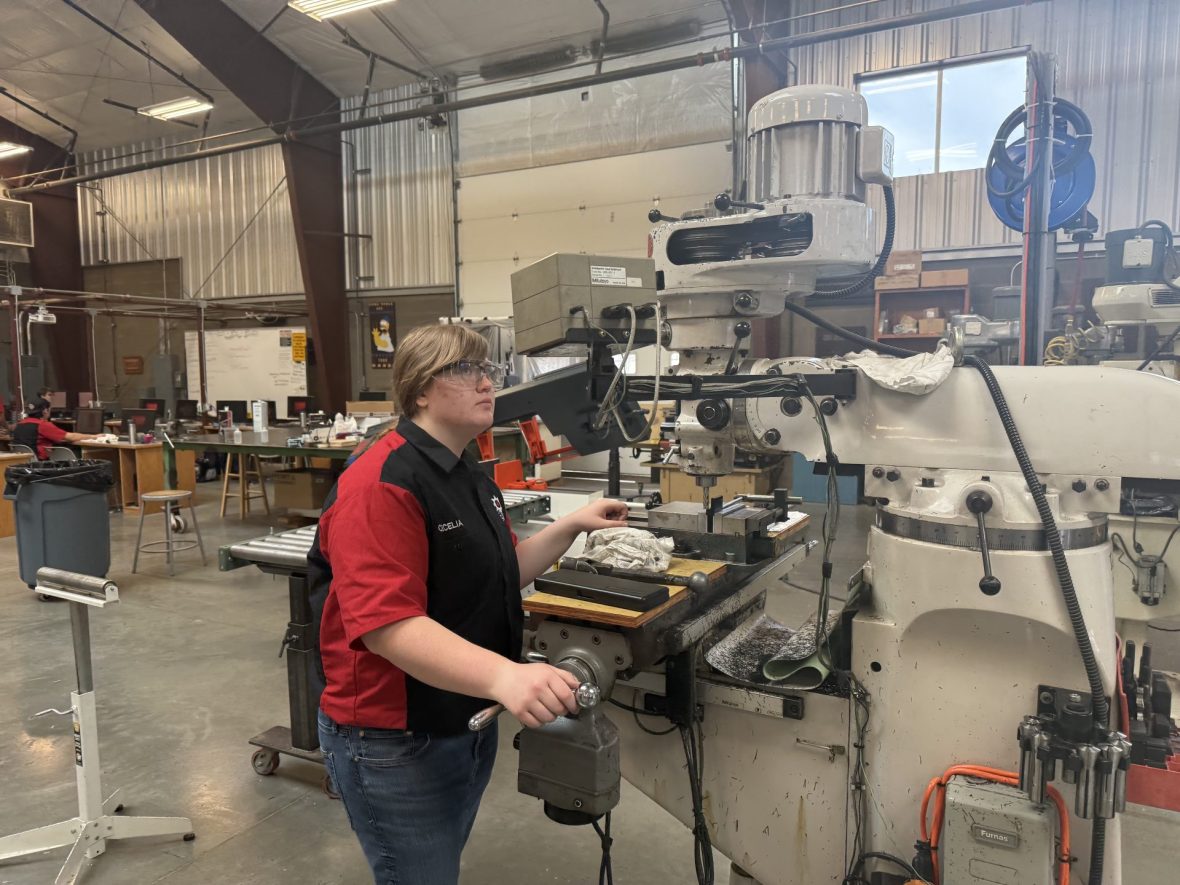
Programs in high demand
KTEC programs are in such high demand that the school plans to rework its schedule next year to allow for three class blocks, an effort to increase enrollment by about 33%, said Bill White, KTEC director.
The large building, located next to North Idaho College’s Parker Technical Center in Rathdrum, is bursting at the seams.
At least three former storage rooms have been turned into small classrooms to allow for more classes and teachers. To expand the building, bonds would need to pass in all three districts on the same day, White said, a discussion that will arise in the future if students continue to seek out KTEC courses.
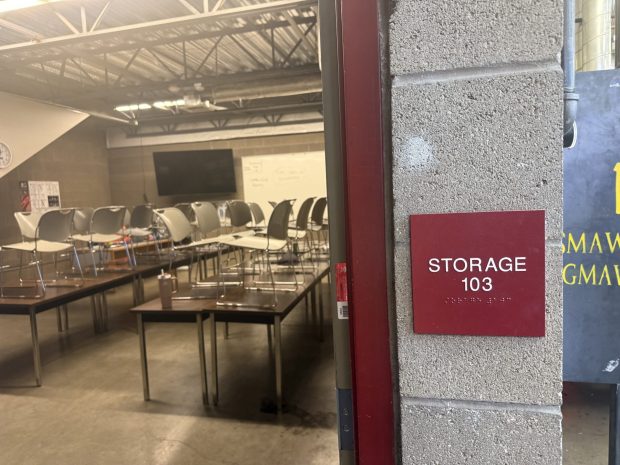
The reorganization is a colossal feat with eight high schools across three districts bussing students to KTEC.
Instead of offering math and science courses at KTEC, those courses will be taught at the students’ home school. Students will then have the choice of a morning, midday, or afternoon session Monday through Thursday in their respective KTEC programs.
The teens at KTEC are treated more like employees than students. They are required to wear professional attire like scrubs and personal protective equipment, there’s a strict attendance policy, and no cell phones on campus.
The program creates camaraderie among kids who are rivals on opposing football teams, or have little in common other than their interest in welding.
Historically, students have had to choose between traditional high school experiences like sports, student government and prom or going to a technical high school.
KTEC allows kids to have the best of both worlds, White said.
White, who taught shop most of his career, said the facilities at KTEC are so far beyond what a single school district can afford. And community members often feel as though they are making a bigger impact on the entire region when donating to KTEC.
Donations come in the form of machinery and even cars, he said.
The Programs:
- Automated manufacturing and design
- Automotive Technology
- Collision Repair Technology
- Construction Trades
- Cyber Security and Networking
- Diesel Technology
- Health Professions: Certified Nursing Assistant, Dental Assistant, Medical Assistant
- Heating Ventilation and Air Conditioning (HVAC)
- Industrial Welding and Fabrication
- Industrial Millwright
- Plumbing
KTEC is only open to juniors and seniors. Most courses end with the opportunity to take a certification or licensing test.
Funding Fears
The districts each pay into KTEC proportionally to their size. Coeur d’Alene pays 51% while Post Falls pays 26% and Lakeland contributes 23%.
That’s $350,000 for Lakeland, which has struggled to pass a levy in recent years with a failure in 2023 and another failure in November.
Superintendent Lisa Arnold routinely touts the program as a benefit of the levy, noting Lakeland and Timberlake high schools always fill their allotted spots.
To leave KTEC, districts are required to give a one-year notice. Lakeland would be on the hook for next year’s bill if the levy fails on May 20.
In Post Falls, which pays just over $390,000 a year into KTEC, the program is so integral that Superintendent Dena Naccarato said the district would cover its’ portion out of savings then re-run another levy in November, if this month’s levy were to fail.
“I think the good news is we’ve kind of planned for this over the years,” said Coeur d’Alene superintendent Shon Hocker.
Still, the potential for KTEC to lose 49% of its funding is “certainly” a concern.
The original commitment to fund KTEC for one year before leaving was made by prior school boards so, Hocker acknowledged, there’s no guarantee that current school boards would honor that.
But Hocker points back to the inception of KTEC as a sign of hope. Voters in all three school district passed a more than $9 million in ballot measures to pay to build the facility.
“I think it sends a message and at least tells me as someone who has been here going on five years now that the community supports KTEC,” Hocker said.
The program is also a good deal for all involved.
“I know I’m operating that program at about half the cost,” Hocker said. “It’s quite a boon, quite a great thing for our kids and our community.”

