Middleton Superintendent Marc Gee presented trustees with three levy options at the board’s Monday night regular meeting.
The first option would maintain the district’s current budget, and add two armed security guards. It would cost voters $2.4 million.
The second option would require the district to make some cuts – decreased busing, higher “pay to play” fees for extracurricular activities, increased classroom supply costs for families and little to no updated curriculum. It would cost about $2 million.
Option three was trustees’ most reluctant choice, at nearly $1 million in cuts. In addition to the cuts of Option Two, it would cut all school security except for one school resource officer at the high school, stripping the district’s elementary schools of their security guards. A teacher and two classified employees would be laid off.
Option three would cost voters $1.5 million. A landowner whose property value is $500,000 would pay $155.
Trustees are weighing their options after a long streak of failed levies and bonds.
Last year, a state committee approved Middleton’s application for money from the Public School Facilities Cooperative Fund, granting the district $11.1 million to build a new elementary school and alleviate overcrowding, under one condition: one more failed bond.
A bill in the House Education Committee would remove the requirement for Middleton to run another bond measure, so Gee and trustees are waiting to see if the bill will pass before moving forward with their plans to build the new elementary in Star.
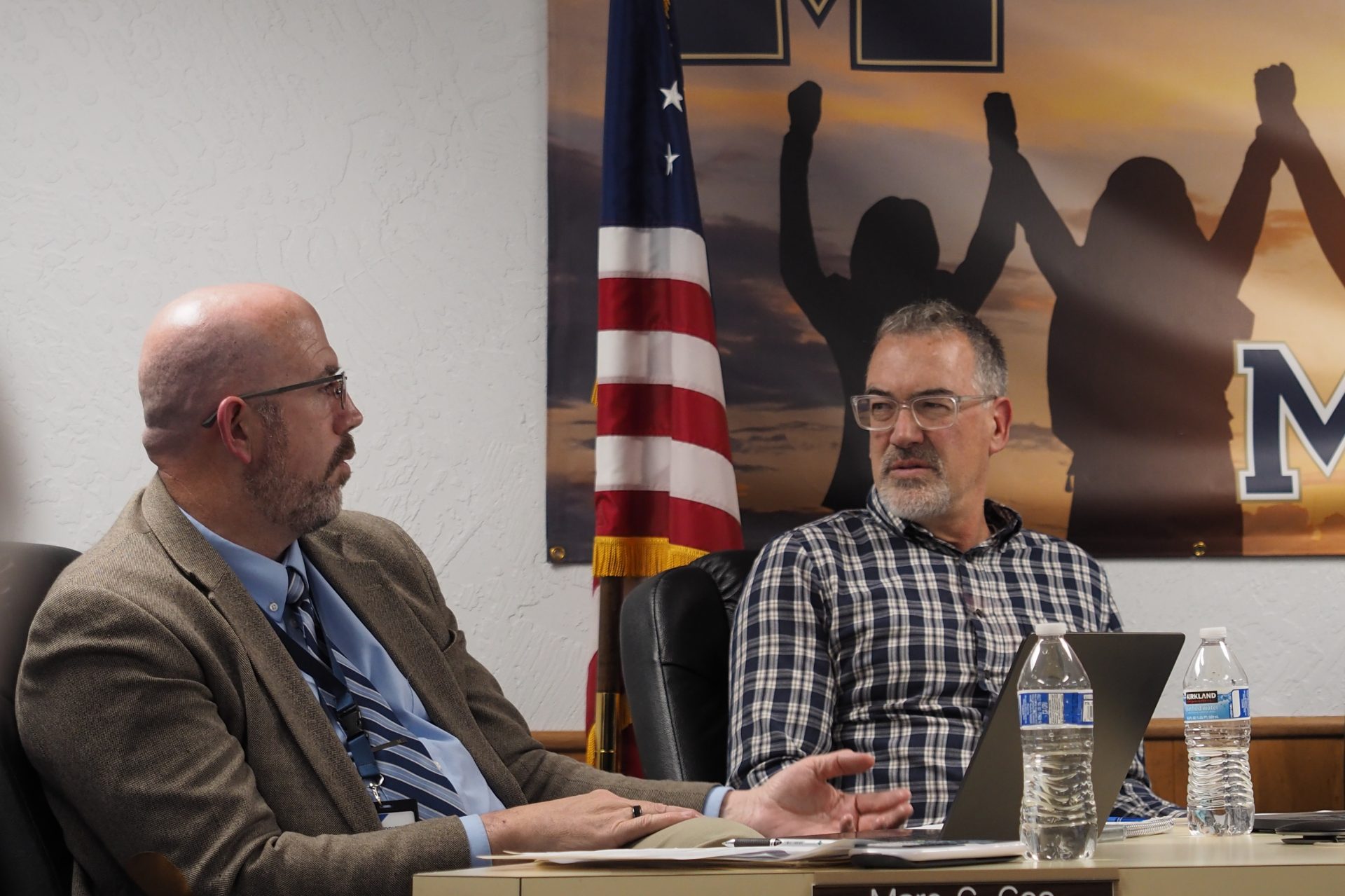
“To be frank, we need to look at the $1.5 or $1.9 million [levy],” Gee told trustees.
Because “not having a levy pass would be a lot more painful,” trustee Jay Clark said.
A failed levy in May would require Middleton to make the following changes:
- 7 teachers laid off
- 12 classified staff laid off
- No campus security (1 SRO at Middleton High)
- No curriculum renewal, teachers would write their own curriculum
- Busing options would be reduced to only what the district is legally obliged to
Trustee Pam Wagoner expressed frustration about Middleton’s leftover facilities modernization funds, giving voters the impression the district has money it simply isn’t spending.
Facilities modernization money is earmarked for specific types of facilities costs. It can’t be used for routine maintenance costs like repairing broken air conditioning units. At a January board meeting, Middleton business manager Alicia Krantz said the district needs more funds for routine maintenance.
She also referred to the district’s $2 million fund balance, which equals 5% of its general fund – one of the smallest school district fund balances, percentage-wise, in Idaho.
“Trust me,” Wagoner said. “If we could use it, we would.”
School districts cannot campaign in favor of ballot measures. They can educate voters on the consequences of not passing one, though. Trustee Jake Dempsey expressed a desire to “target voter apathy” and try to identify the source of voters’ frustrations with ballot measures.
Dempsey brought up the idea of a community forum, but Wagoner quickly shot it down: last time they tried that, she said, a total three people showed up between four forums.
“We have to make a concerted effort to educate rather than just hope people will make the right decision,” Dempsey said.
March 13 is the deadline for districts to submit ballot language for bonds and levies in the May 19 election.