
Ask sophomore Mateo Wallace about his education, and he’ll describe it as a carefully prepared meal.
“Let’s say my learning is a steak,” he explained. “I’m cutting out all the parts I don’t like, and just getting the best parts.”
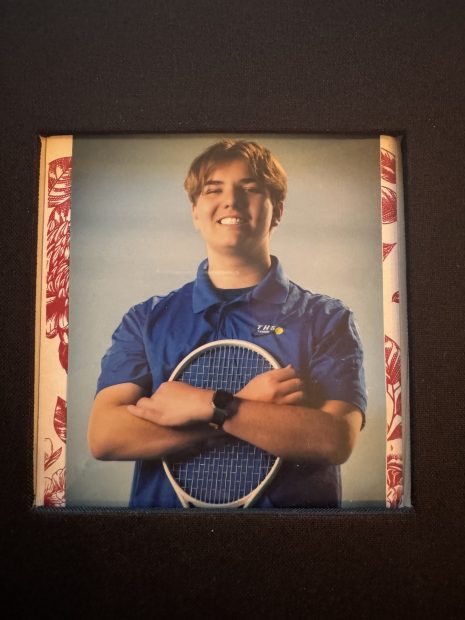
Though Mateo was identified by the private school he attended as a “gifted” student early on in his schooling, he struggled to find a school that could keep up with his passion for learning.
His mother, Janice Clark lamented, “In third grade, he was identified as being gifted, and they weren’t able to handle helping him at all. They just gave him worksheets — it was ridiculous.”
For fourth grade, Mateo moved to the highly gifted program at Collister Elementary School, part of the Boise School District.
Then, the COVID-19 pandemic hit.
In the chaos of COVID-19 closures and uncertainties, Mateo’s family decided to reevaluate his schooling.
“I started researching and realized there was a whole world of opportunity online for Mateo,” Clark said.
Since then, Mateo has been a full-time online student, jumping from opportunity to opportunity, depending on his interests.
Over the past five years, Mateo has pulled from top institutions and niche programs. He’s taken classes, both for-credit and as extracurriculars through:
- Outschool
- ATI (Academy of Thought and Industry) Guidepost Academy
- Johns Hopkins
- Northwestern
- Arizona State
- Art of Problem Solving Academy
- Vanderbilt
- Idaho Home Learning Academy (IHLA)
- Stanford Online High School
Mateo found that he could piece together educational components from multiple online sources. For example, while taking for-credit classes from Guidepost Academy, he used resources like Outschool for math support.
“We found a fantastic teacher who helped him a lot with math. And then he took a history class and loved the professor, he is a retired judge, and he wound up taking a ton of classes with him,” said Clark.
Mateo even took an entrepreneurship class from Outschool that inspired him to start his own dog treat business. Though his business is on pause due to his family moving, he is interested in pursuing a degree in business or finance in college.

“The online world opens up a lot that you don’t necessarily get in traditional school,” Clark emphasized.
Mateo explains that his intense drive to learn is what keeps him engaged in online courses, a format that demands “a good mix of motivation and be able to self-pace.”
The autonomy of his education is worth the work. “I really enjoy the fact that I’m teaching myself, and I can learn what I want to learn. Because when I was taking in-person school, I was having to learn stuff I already knew or something I don’t particularly need to know for the future.”
His advice to other students looking to do online courses? “Pretend you’re doing in-person school and someone’s watching. Because you can get easily distracted. And trust me, I’ve gotten distracted too, but you just really have to learn to pace yourself. If you don’t, you’re really going to screw up.”
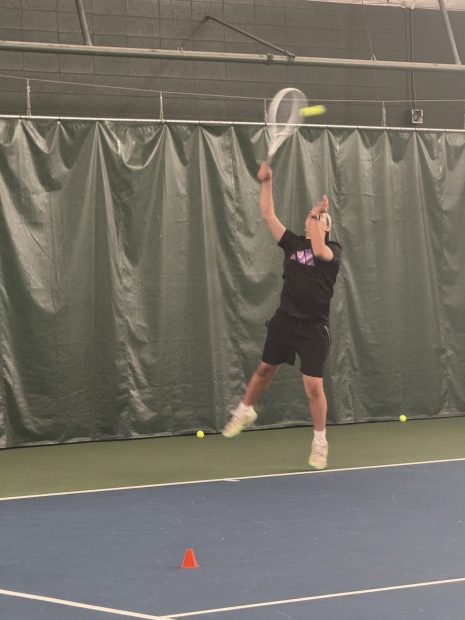
Crafting an education like this isn’t without its financial challenges. “For the most part, we’re just having to fork it over,” Clark admitted, detailing the costs of Mateo’s online courses.
Even with some initial help from the now-defunct Empowering Parent grant for a computer and tennis lessons, the academic fees are considerable. Stanford Online High School, where Mateo will attend this year, lists its annual tuition at $30,970 (though Mateo qualified for financial assistance), and even supplementary Outschool courses can range from $40-$600 per month.
Despite the investment, Clark firmly believes it’s “worth it, just because of the opportunity it affords him. Where in the world would he have the opportunity to meet professors, actually working architects, take college classes? The wealth of experience he’s been able to get never would be afforded [elsewhere].”
Though Mateo has taken classes from many different sources, going into 10th grade, he’s on track to graduate with full credits and “a good GPA.”

While his academic life flourishes with online courses, Mateo acknowledges the social differences. He finds ways to stay involved, participating in sports through local high schools where he can choose the program that works best for him.
Still, Mateo has considered going back to in-person high school for his final year or so, recognizing he’s missing out on some connection from in-person activities.
“I still get a lot of enrichment through [online] classes, but I feel like I’m missing something.”
Mateo doesn’t feel stuck, though. He knows the online world offers him lots of flexibility, allowing him to even blend virtual and traditional experiences as his needs evolve.