
Every April, Idaho joins the nation in celebrating the Month of the Military Child, recognizing the strength and resilience of children growing up in military families. It is a time to honor those who move on short notice, start over in new schools, and adapt to a new life they did not choose.
This year, that recognition carries more weight in Idaho and across the country as our service members are actively engaged in combat, defending the United States and its interests.
In March, Idaho lawmakers did their part to support our military families. They considered House Bill 762, which gives children of active-duty service members priority access to public charter schools in Idaho. This helps ensure that when families arrive, they have a fair chance at a strong education.
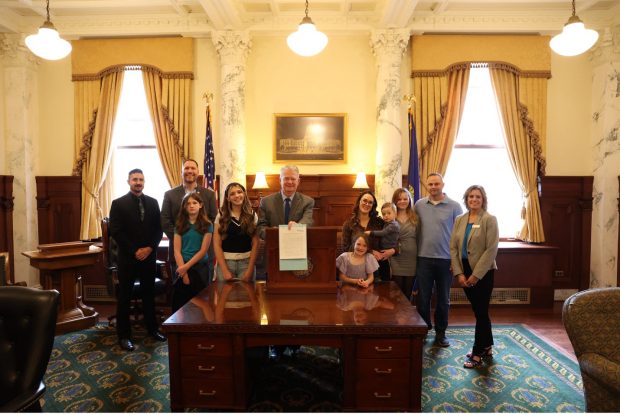
As legislators heard public argument, two young girls bravely joined active-duty service members, veterans, and military spouses to testify in support of the bill. They spoke as children living the reality that the policy aimed to improve.
Sixth-grader Brynn Scearcy stood before lawmakers and shared what many military children experience but rarely have the chance to say out loud. “We don’t choose this lifestyle, but we live it and adapt to it,” she said. “The least we should get is a fair chance at a stable, quality education.”
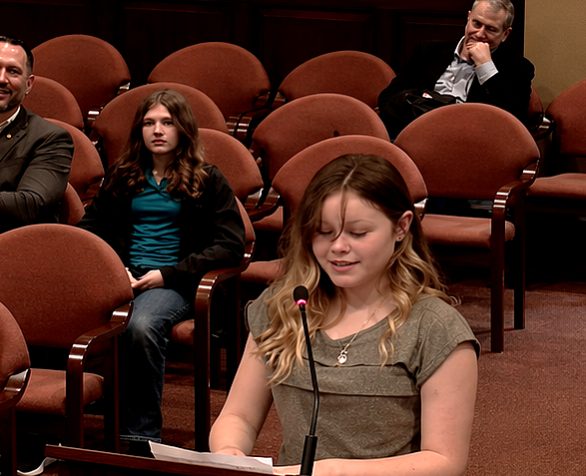
She didn’t stop there. Brynn made it clear what was at stake, not just for her, but every child like her. She asked lawmakers to understand that military kids are constantly starting over, and that stability in school should not be out of reach.
Fifth-grader Dakota Collins brought a different kind of clarity. She thought about her own experience as a military child and what it meant to try to succeed in school while constantly adjusting to change. She spoke because, in her words, “some [military] kids don’t get into good schools, and all kids deserve a good school.”
There is something powerful about a child standing in front of a room full of lawmakers and adults to share their lived experiences.
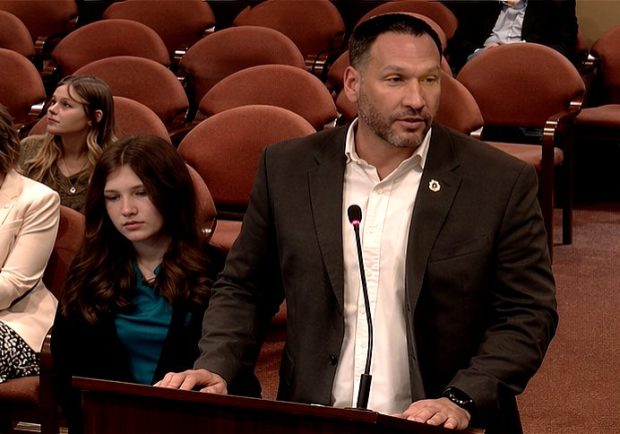
Dakota understood that. That’s why it mattered for her to speak herself. “Because they [the legislators] got to hear from a child,” she said. “And they would feel about it from their perspective.”
What these girls described is not uncommon. Military families move when they are ordered to move. They arrive in new communities on tight timelines, often after charter school enrollment windows have closed. By the time they arrive, many high-quality public charter schools are already full.
For children, that means starting over without access to the opportunities they need to succeed; and often falling behind.
House Bill 762 is a step toward fixing that. But policy alone is not what made this moment matter. It was the tiny voices behind it.
Dakota said testifying made her feel like she had “done something amazing for Idaho” and helped “many military children.”
She’s right.
These girls took a stand and did something many adults will never do. They stood up in front of elected officials and told the truth about their lives. They spoke honestly, and because they spoke, Idaho listened.
This April, as we recognize the Month of the Military Child, we should celebrate more than resilience. We should recognize the courage these children showed. Courage that will open doors and pave the way for their peers and future generations of military children. Because in Idaho, military children didn’t just adapt to a system that wasn’t built for them; they changed it.
Ashley Cotton is the Director of Collaboration and Partnerships at BLUUM

